




Marijuana Rescheduling Trump Attorney General: What’s at Stake?
If you’ve been following the Marijuana Rescheduling Trump Attorney General buzz lately, you know this is way more than another headline. With the presidential election ramping up, cannabis rescheduling could hit the big stage—and a new attorney general under Trump could flip the script for the whole industry. This isn’t just about legal plants and paperwork; it’s about the future, market access, and federal clarity. In this deep dive, I’ll break down why the potential reshuffling in the DOJ could reverberate across every dispensary and investor portfolio in the country.
Historical Background, Legal Haze, and Market Dynamics
The journey to federal cannabis reform has always been a maze of regulatory red tape, political push-pull, and cultural change. Cannabis remains a Schedule I substance nationally, despite overwhelming support among adults for legalization, as seen in polls from Pew Research Center. At the center of this regulatory tug-of-war are the Department of Justice (DOJ) and its top cop, the Attorney General. They wield serious influence over how laws are enforced or challenged, especially around changes in marijuana scheduling. Typically, the DOJ’s advice heavily influences the DEA’s stance, impacting every market player from cultivators to multi-state operators. State reforms keep snowballing, such as New York’s market launch, which has placed the regional industry at a crossroads (see why New York’s cannabis market is now at a pivotal turning point), or Illinois’ record-breaking sales (Chicago Tribune), but true momentum hinges on what direction the DOJ takes. The past few years have seen Congressional gridlock, banking reform stuck in limbo, and federal agencies split on their cannabis stance. The big wrench, a change in the Attorney General post due to presidential politics, could redraw the map, especially if the White House changes hands.
Major Developments, Key Players, Policy Rumblings, and High-Stakes Moves
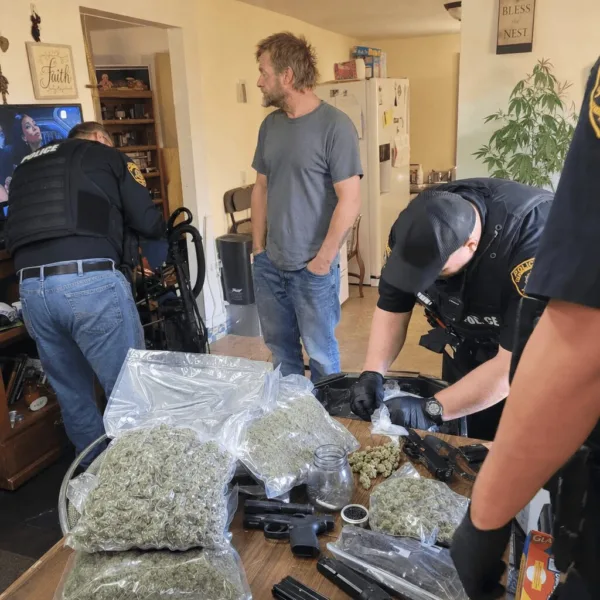
According to Marijuana Moment, recent political shifts hint at real movement, or a hard stall, if Trump reclaims office. Currently, Florida Attorney General Ashley Moody (formerly Bondi) has played a part in shaping the state’s cautious approach. Trump’s shortlist for DOJ includes Lee Zeldin, an outspoken critic of cannabis liberalization. Zeldin’s tough-on-crime posture raises alarms for advocates, since under his leadership, federal rescheduling progress could slow or even reverse. In May 2024, the Biden administration moved closer to rescheduling cannabis from Schedule I to Schedule III—a historic step, described by The New York Times as “the most significant federal move on marijuana in decades” (NYT). The DOJ must bless this reclassification. If a new AG is appointed, they could stall or scrap this momentum. Meanwhile, cannabis market volatility is already obvious—certain market segments and even some local law enforcement actions, such as those resulting in crackdowns and seizures by police departments, reflect wider uncertainty (see how a recent cannabis seizure sparks local policy debates). Some stocks have surged on rescheduling hopes, while others brace for regulatory whiplash, per Forbes. Major MSOs (multi-state operators) and advocacy groups like NORML are turning up the pressure, lobbying for transparent, predictable federal moves. But everything hinges on who runs the DOJ after the next inauguration.
Expert Takes, Industry Insight & What’s It Really Mean?
The shake-up around the Marijuana Rescheduling Trump Attorney General debate is more than a political drama, it’s an existential moment for the industry. As noted by longtime cannabis law expert Shaleen Title via Leafly, “Every cannabis business in the country is affected by federal policy, no matter how safe their state market seems. With federal rescheduling at stake, leadership at DOJ matters more than ever.” If Zeldin, or another AG with a tough stance, takes the reins, you can bet compliance costs, industry uncertainty, and grassroots advocacy will all spike. The flip side? If the DOJ supports Biden’s push, expect banking reform chatter (think SAFE Banking Act), IRS 280E relief, and more normalized research rules. In short, leadership won’t just steer the political vibe but will define bottom lines for big brands and legacy growers alike. Business experts at Green Entrepreneur stress the volatility but remain bullish, pointing out: “History favors reform. Even setbacks serve to mobilize us for bigger wins.” The ongoing litigation and regulatory changes around CBD and related markets further illustrates how a single legal decision—like the recent CBD pilot program lawsuit that has forced agencies to reconsider the rules—can put the entire industry in motion (industry in motion after a major judge’s ruling).
Future Vision: Cannabis Industry on the Cusp
Looking ahead, Marijuana Rescheduling Trump Attorney General isn’t just a mouthful—it’s THE wild card for the next few years. The next AG will help decide whether the U.S. slides forward or back on cannabis normalization. Advocacy groups remain hopeful: polling remains firmly pro-reform, with more than 88% of adults favoring legal access for at least medical use (Gallup). The market’s momentum is undeniable. Whether change is slow-cooked or fast-tracked, the industry is here to stay. With sustained activism, smart business moves, and a little luck on the DOJ draw, the haze of uncertainty could clear—ushering in a new federal cannabis era that finally reflects public opinion and innovation. Stay dialed in: the next chapter is coming fast!
Originally reported by: marijuanamoment.net

1 Comment
Pingback: Medical Cannabis Beverage Legislation: What DC's New Law Means