



CBD pilot program lawsuit: Judge Denies Ban, Program Launches
The CBD pilot program lawsuit is sending ripples through the cannabis industry at a pivotal moment for legalization and reform. As regulators and businesses hustle to figure out new compliance standards, a recent judge’s decision means hemp advocates and industry players are watching legal moves in real time. The stakes are high, but so is the momentum: programs like these can define market trends, open access, and challenge outdated stigma. Stick around as we break down the legal twists, the social impact, and why this case matters more than your most recent dispensary menu update.
Understanding the Regulatory Backdrop to the CBD Pilot Program Lawsuit
Let’s start with why this CBD pilot program lawsuit has the entire hemp space buzzing. Over the past five years, the CBD sector has seen explosive growth, fueled by landmark moves like the 2018 Farm Bill allowing hemp cultivation across the U.S. Still, regulatory confusion keeps tripping up both regulators and entrepreneurs. The U.S. Food and Drug Administration (FDA), for instance, continues to draw hard lines between approved medical claims and over-the-counter wellness products, as noted by official FDA guidelines. At the state level, pilot programs are often testing grounds for new rules, and legal battles are par for the course when business, health policy, and law all collide. Illinois in particular has established itself as a progressive leader in cannabis reform, but with a patchwork of hemp rules between state and federal law, lawsuits are practically written into the playbook. State policy changes aren’t just happening in Illinois, though—the evolving regulatory landscape in Missouri is causing the industry to watch for updates in areas like cannabis track-and-trace compliance across state lines.
Key Developments & Issues Shaping the CBD Pilot Program Lawsuit
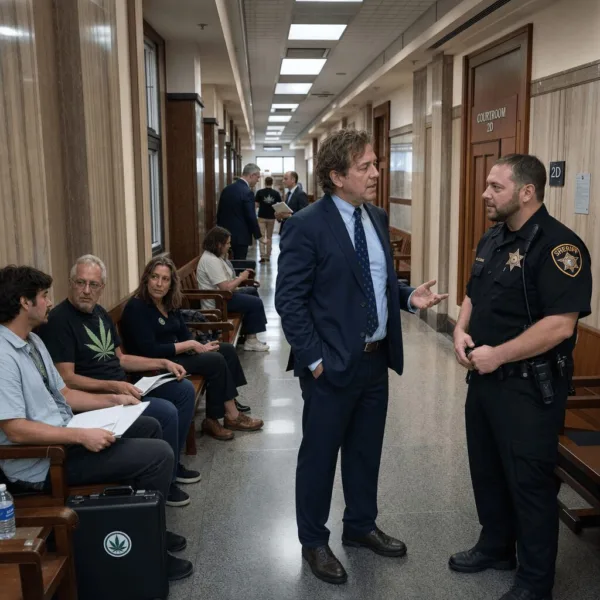
According to a detailed industry news brief from Cannabis Business Times, the latest legal drama kicked off when a competitor, SAMS, filed a temporary restraining order (TRO) to block the launch of a state-backed CBD pilot program. Their complaint focused on alleged unfair advantages and procedural issues. On June 5th, the presiding judge denied SAMS’s request for a TRO, clearing the path for the pilot program to proceed. The pilot, led by a handful of licensed producers and retailers, aims to study consumer response and product safety standards. Legal filings claim the program prioritizes transparency and innovation, but SAMS argues it may favor certain businesses. Illinois officials have responded by emphasizing regulatory checks and oversight to support a fair market launch. For industry insiders, this suit signals the kind of high-stakes chess match typical when new cannabis initiatives get rolling, and it mirrors other recent high-profile legal actions like the legal challenge over cannabis ballot questions in Haverhill.
Expert Insights: The Industry’s Take on Legal Hurdles and Opportunities
The CBD pilot program lawsuit isn’t just another court squabble, it’s a case study in how legal challenges shape the evolution of cannabis policy. Market analysts point out that lawsuits like these usually spike whenever a state tries to innovate with its hemp programs. As Cannabis Business Council of Illinois board member Maya Lewis told us, “Whenever regulatory frameworks expand, friction is inevitable. But lawsuits, like this one, often force clearer rules and help level the playing field for everyone who’s all-in on safe, high-quality CBD. No one said making history would be chill.” Industry reports from Marijuana Moment emphasize that public interest litigation has historically led to more robust, consumer-focused policy improvements. Meanwhile, the cannabis community sees each legal skirmish as another reason to keep hustling for equal footing and effective self-regulation, especially as related issues like reducing cannabis manufacturing waste affect the industry’s long-term sustainability.
Future Outlook & Industry Conclusion: More Clarity, More Opportunity
The CBD pilot program lawsuit proves the cannabis industry is growing up fast—messy, energetic, and stubborn. Illinois regulators are committed to ongoing oversight, transparency, and improvement, while pioneers on both sides keep raising the stakes. As reported by NORML, legal cannabis continues to gain social acceptance, and each test of the rules ultimately makes the industry more resilient. As the dust settles from this lawsuit, expect even more clear-eyed policy, stronger consumer protections, and a wave of new players ready to push CBD innovation forward. One thing is certain: the cannabis world is moving toward a future defined by inclusion, equity, and responsible entrepreneurship—and it all starts with bold moves like these.
Originally reported by: cannabisbusinesstimes.com

1 Comment
Pingback: Tonawanda police cannabis seizure: Smoke shops shut down