





Marijuana Possession Crime Log: Shocking Cases Revealed
Staying updated on the marijuana possession crime log is crucial as rapidly shifting cannabis laws have a direct impact on college students and campus culture. News stories like this force everyone—from seasoned advocates to everyday users—to reevaluate their perspectives. Recent campus incidents spotlight both the ongoing disconnect between social cannabis acceptance and official regulations. They also underscore why young adults, educators, and community leaders need clarity around what is (and isn’t) still considered a crime. In this article, we’ll break down the latest news, legal context, and practical solutions, so even newcomers can keep up.
The Changing Legal Landscape & Social Realities
To fully understand today’s marijuana possession crime log, you have to look at how laws have shifted and why confusion persists. As of 2024, thirty states have legalized some form of cannabis, either for recreation or medical use, according to NORML, a leading cannabis policy group. Yet federal law still lists marijuana as a Schedule I substance, locking in legal tension. On college campuses, policies can diverge sharply from local city ordinances or even state law. Many universities maintain bans due to federal funding; if found in possession, students may face both campus discipline and criminal charges, even when they thought they were acting legally. Add to this the rapidly changing marketplace, including the impact of age-based state bans and evolving standards for hemp-derived THC products as recent Texas laws have shown, and it’s easy to see why so many get caught up in the ‘crime log’ swirl. This complex regulatory patchwork continues to create uncertainty, especially around possession, distribution, and personal use by young adults.
Latest Developments in the Marijuana Possession Crime Log
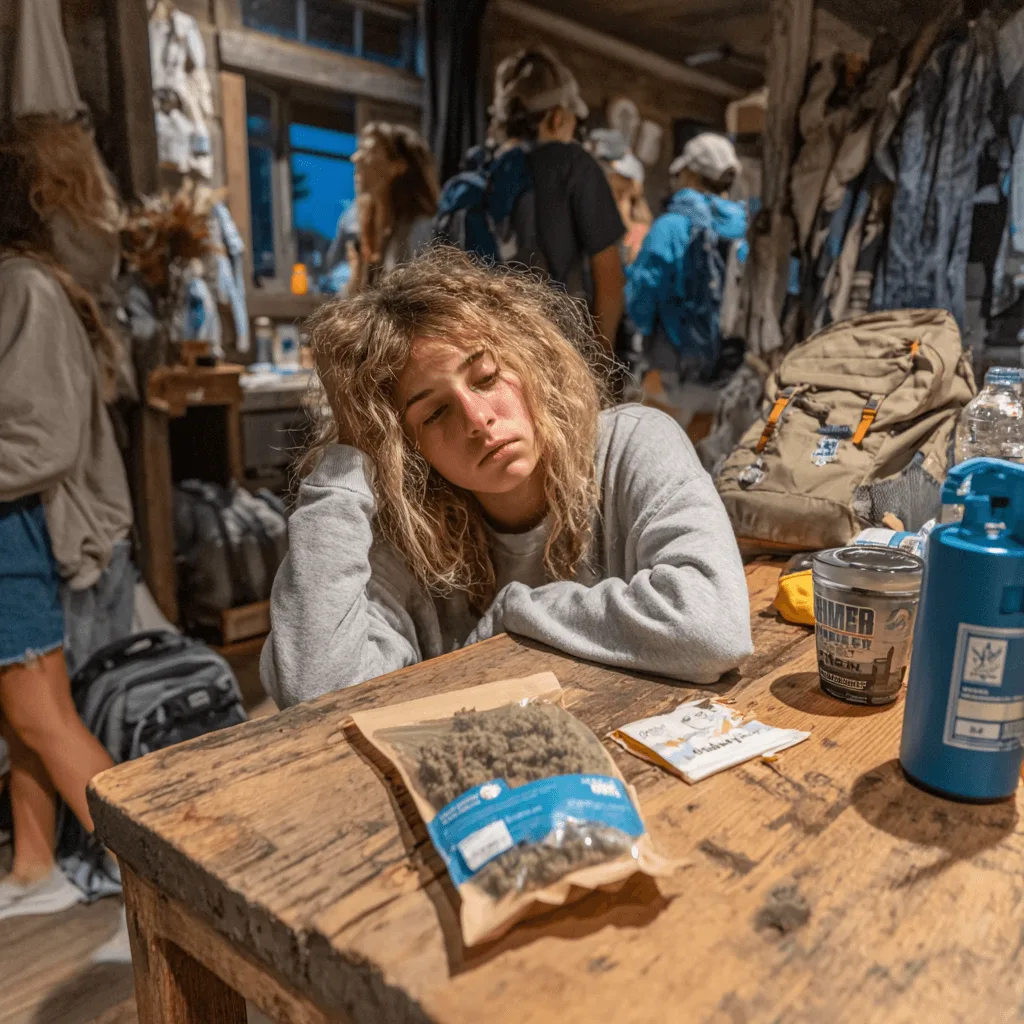
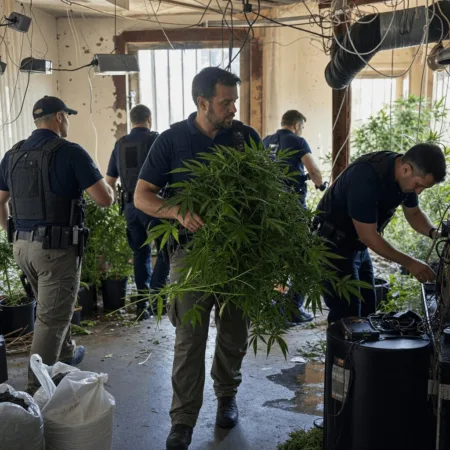
This week’s marijuana possession crime log, as reported by The Shorthorn, highlights students impacted by campus policy and local law enforcement. Specific incidents on the University of Texas at Arlington campus included multiple reports of marijuana possession. In these cases, students faced not just citations, but possible academic consequences. One incident took place inside a residential hall on May 25th, and another was logged on campus grounds just days later. Police reported small amounts of marijuana, no intent to distribute, and no violence attached, just possession. These cases are a snapshot of the ongoing disconnect: while the public and many lawmakers push for reform, enforcement on college campuses still adheres to stricter rules, often leading to serious real-world impact for students. Recent police actions—such as high-profile THC seizures in Texas—illustrate just how persistent and serious law enforcement approaches remain, even as state sentiment has shifted towards tolerance. As recently detailed by Marijuana Moment, such disparities in law enforcement remain a pain point in the march toward normalization.
Expert Analysis & Pro-Cannabis Insights
For cannabis advocates and legal experts, the persistence of marijuana possession crime log entries invites deeper scrutiny. The ongoing criminalization of low-level possession stands in stark contrast to widespread legalization across many states. As Dr. Amanda Reiman, policy director at Drug Policy Alliance, told reporters, “Criminalizing youth for cannabis participation under outdated laws creates lifelong harm for actions that society increasingly believes should be normalized.” Industry watchdogs at High Times echo this, noting that such episodes feed stigma, disrupt education, and strain campus resources. This dissonance thwarts broader public health and criminal justice reform goals, especially when most recent medical and market research demonstrates low risk for adult personal use. When considering the broader implications, it becomes clear that tax pressures and financial challenges—such as those shaping the outlook for dispensaries in 2024 due to industry tax policy impacts—add even more complexity to the future of cannabis normalization. Advocates rightly point out that inconsistent policies put students at risk of legal jeopardy, confining them to a system that is rapidly shifting. As seen in jurisdictions that embrace decriminalization, flexible and humane policies result in fewer law enforcement contacts and stronger community engagement, which is a win for everyone.
The Future: Toward Sensible Solutions & Normalization
Despite lingering challenges, the future for those tracking the marijuana possession crime log is bright. State-level reforms continue to grow, campus groups push for more nuanced and compassionate policies, and the broader public is demanding change. According to Pew Research, over 88% of Americans support some form of cannabis legalization. As more universities pilot harm reduction programs and lawmakers consider decriminalization, the hope is we’ll soon see fewer damaging consequences for non-violent possession. Ultimately, progress won’t just reflect in the crime logs strangers read—it will reshape how students, families, and whole communities approach safe, informed cannabis choice.
Originally reported by: theshorthorn.com

2 Comments
Pingback: Shocking Dyker Heights Drug Bust: Police Raid Luxury Apartments
Pingback: Port Allen Drug Bust: Massive Meth, Marijuana & Mushrooms Seized