


Marijuana Port of Entry Search: What Really Happens?
As cannabis laws continue to shift across the United States and beyond, the way marijuana is handled at international ports of entry has become a front-and-center issue. With rising cannabis tourism, medical cardholders, and a patchwork of legal standards, everyone—from seasoned tokers to first-time visitors—wonders what actually unfolds during a marijuana port of entry search. Recent news out of the Palm Beach port highlights why the topic matters: real people face tough scrutiny, legal risks, and unexpected consequences. Let’s break down what you need to know before you toss your stash in your suitcase, stressing insights, developments, and actionable takeaways for anyone navigating this hazy intersection of cannabis and customs.
Understanding the Legal Landscape: Why Port Searches Still Matter
Even as Florida inches closer to full legalization and the Bahamas embraces cannabis reforms, federal laws continue to clash with local rules, especially at international entry points. According to the U.S. Customs and Border Protection (CBP), marijuana remains a strictly controlled substance at all U.S. ports of entry. This means that even state-legal weed can get you in hot water with federal authorities, no matter where you’re traveling from or to. Social tides may be shifting, but regulatory realities remain harsh, particularly for those misjudging the difference between local dispensary freedom and federal border restrictions. Changing attitudes have also pushed some states to reconsider earlier reforms, echoing debates like those found in recent efforts to repeal recreational cannabis laws. Across the industry, cannabis advocacy groups like NORML keep emphasizing these contrasts to help travelers, patients, and entrepreneurs avoid unexpected violations. The bridge between evolving public opinion and entrenched law is wide, making every marijuana port of entry search a roll of the dice for unwary travelers.
What Actually Happened at the Palm Beach Port of Entry?
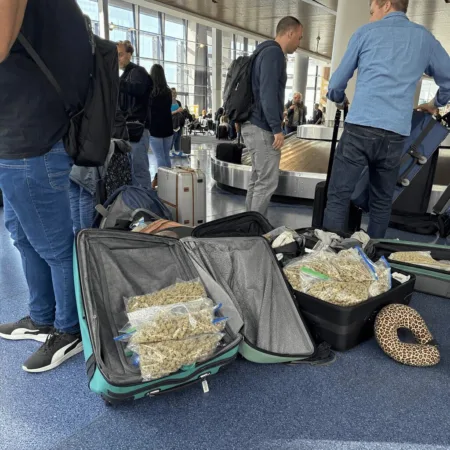
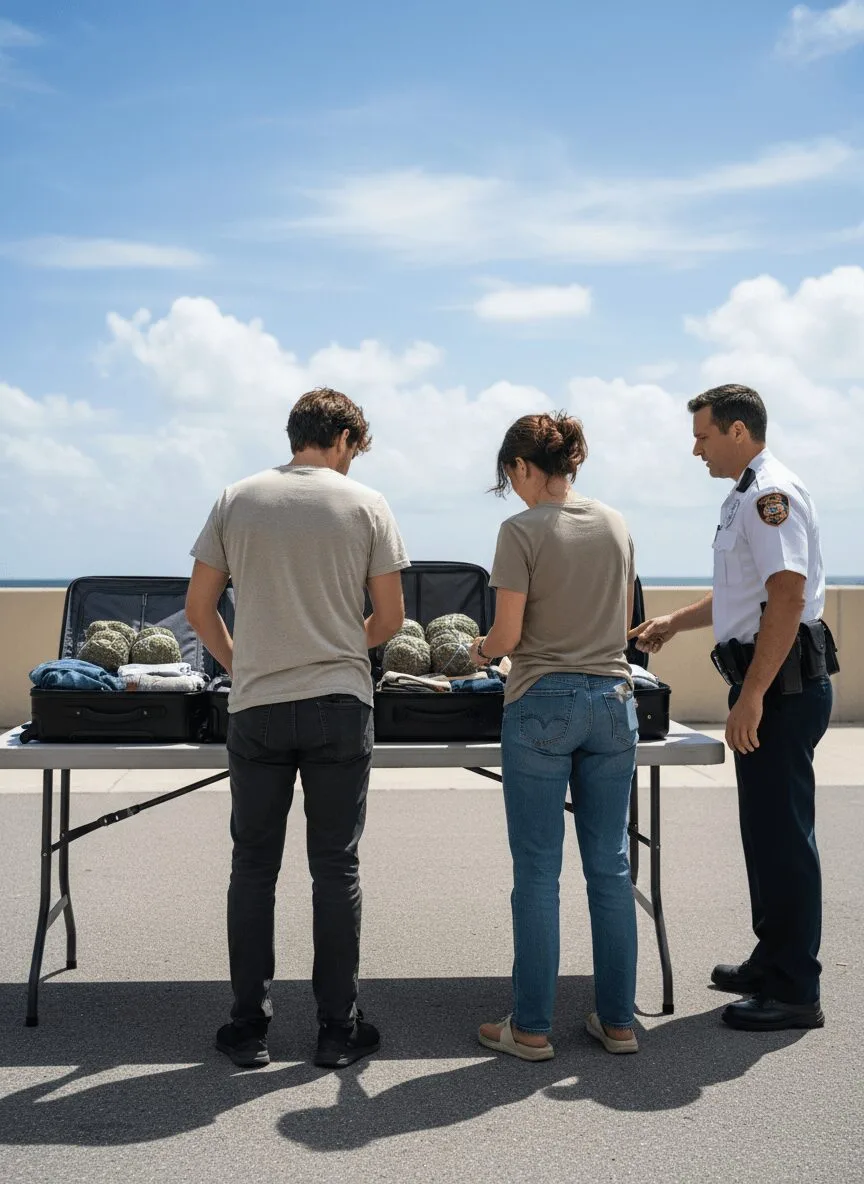
Let’s cut through the smoke and get to the facts: According to reports from CBS12 News, a recent marijuana port of entry search at the Palm Beach area led to heightened scrutiny for travelers arriving from Nassau, Bahamas. Customs officers, alert by increasingly casual attitudes toward cannabis travel, conducted routine baggage checks with extra vigilance. They discovered cannabis buds packed in everyday luggage, triggering a rapid-fire investigation. According to U.S. Customs and Border Protection officials, such inspections are far from a one-off scenario; these proactive searches are standard practice, particularly for return flights from hotspots where marijuana laws are less stringent. No cannabis company names were directly implicated, but the incident brings to mind increased concerns for businesses operating in similar spaces, much like the risks explored in why cash remains essential for cannabis retailers. As of June 2024, federal prohibition at ports of entry remains unchanged, and officers retain broad discretion to detain, question, seize, or even refer cases to federal prosecutors when marijuana is found, regardless of local legality.
Expert Take: Balancing Enforcement with Cannabis Realities
So what’s the deeper issue here? While the headlines spark anxiety, and sure, plenty of eye rolls, the underlying tension is all about legal disconnect. Customs officers are doing their jobs based on laws that may or may not be in step with local voters. As Leafly editor David Downs noted, “Travelers may be shocked by how seriously border agents take cannabis, even if it’s legal a mile away. Bring weed over the line, and expect federal rules to rule the day.” With 38+ states permitting medical or adult-use marijuana as of June 2024, but federal legalization still stalled, informed travelers face tough, often unfair odds. Data from the Drug Policy Alliance confirms that border-related cannabis seizures remain stubbornly common, showing that changes in state law don’t always translate to safer, simpler travel. For businesses and consumers alike, understanding the dynamic between federal and state law is crucial, which is increasingly apparent as new legislation shapes the industry, similar to the changes described in Mississippi medical cannabis law updates.
Looking Ahead: Smarter Searches, Greater Acceptance
Despite these headaches, the long-term outlook for cannabis travelers is brighter than it’s ever been. As public sentiment tilts toward reform, influential organizations and state governments keep pushing Congress for clarity and modernization at federal checkpoints. Industry leaders and advocacy groups predict that marijuana port of entry search protocols will eventually catch up, reflecting the new status quo of regulated, responsible cannabis use. For now, travelers need to stay sharp, know their legal boundaries, and keep conversations alive to drive positive change. As highlighted by recent guidance from Marijuana Policy Project, the path forward depends on continuous education, smarter enforcement, and embracing a more rational, compassionate approach to global cannabis movement.
Originally reported by: cbs12.com