Marijuana Plants National Park Discovery Shocks Visitors
Every now and then, the cannabis world gets a jolt that’s got everyone buzzing—recently, a wild headline did exactly that. The phrase marijuana plants national park isn’t just trending online; it’s raising legal eyebrows and launching heated conversations about legality, conservation, and how Americans relate to cannabis today. As lawmakers keep fine-tuning the rules around marijuana and nature-lovers increasingly explore protected public lands, stumbling upon a “secret garden” in the woods takes on a whole new meaning. Let’s dig into why this cultural moment matters and what happens when nature meets nurture (and a bit of controversy) in a national park.
The Regulatory Landscape: Cannabis and the Great Outdoors
It’s no secret, weed legalization is changing the American landscape. But with all this reform comes new tension, especially when cannabis shows up in places you don’t expect, such as a national park. While dozens of states now have some form of legalized marijuana for medical or recreational use, federal law hasn’t budged. According to the U.S. Drug Enforcement Administration, cannabis remains a Schedule I drug, making it illegal on all federal lands, including every national park. Meanwhile, park rangers are tasked with enforcing these federal rules, even as local attitudes change quickly. The National Park Service continues to run outreach reminding visitors not to bring or use marijuana on park property, no matter how relaxed things seem outside those borders. These overlapping laws have made the topic a minefield for travelers, cultivators, and regulators alike. Amid this shifting landscape, market trends show both booming legal sales and illicit cultivation. For instance, consumer benefit from falling prices and increased access, as explored in recent analysis of cannabis price trends. According to a recent report by New Frontier Data, the U.S. legal cannabis market is projected to reach $41.5 billion by 2025. Yet illicit cultivation persists, with outdoor grows often tucked away from public view. In national parks, these black-market grows introduce threats like damaged ecosystems and legal headaches for everyone involved. So when the news drops about marijuana plants national park, it highlights a much bigger clash between progress, policy, and old-school enforcement.
Major Developments: The National Park Marijuana Find
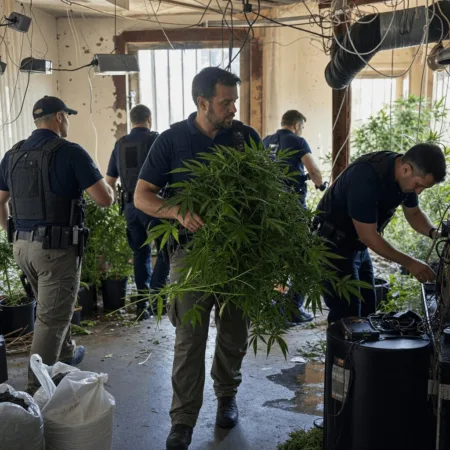
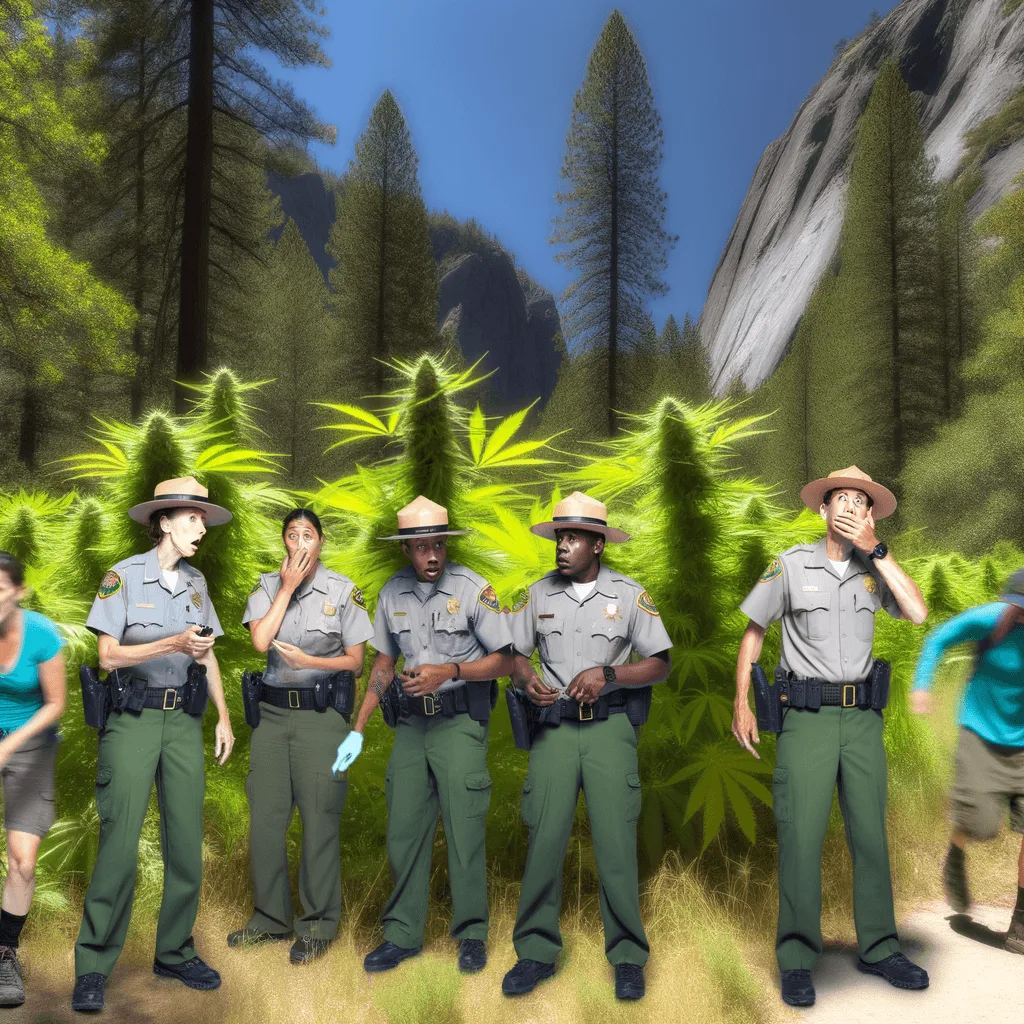
This week’s headline-grabber? Rangers in an as-yet-unnamed U.S. national park stumbled onto a sprawling, unauthorized marijuana plants national park operation that left visitors, well, wide-eyed. According to original coverage by MSN News, thousands of cannabis plants were discovered in a remote, rugged section of the park, most likely grown and tended for illicit distribution. The surprise inspection was prompted by unusual activity and tips from observant hikers who noticed irrigation pipes and unfamiliar foot traffic. Park officials swiftly removed the plants, emphasizing both the legal violations and the environmental risks posed by such large-scale illegal cultivation. In states with rapidly evolving laws, such as Ohio, recent legislative barriers and opportunities—like those discussed regarding breaking down market barriers—are influencing how these developments are handled. Legal authorities have opened a formal investigation, coordinating with multiple agencies. No suspects have been named, but officials warn these cases rarely involve “lone growers.” Instead, they can signal organized criminal activity, resource poaching, and complex enforcement challenges. In statements to the public, national park officials stressed there would be heightened patrols and additional monitoring. The story, now echoing across national and specialty cannabis media, is a stark reminder of how marijuana plants national park stories trigger concern, about the law, about safety, and about the broader direction of cannabis regulation.
Expert Analysis and Insights: What This Means for Cannabis Culture
The sudden emergence of marijuana plants national park as a headline proves that cannabis still operates in a grey area, regardless of booming legal sales and mainstream acceptance. According to Leafly, even visitors with state-legal cannabis risk heavy penalties on federal land, and growers, whether motivated by profit or activism, face much steeper consequences if caught. For patients and advocates in restrictive states, such as those seeking medical marijuana access in Texas, federal limitations highlight regional disparities. The balancing act between enforcement and tolerance is real. Environmentalist groups and the cannabis industry both warn that illegal grows can harm delicate park ecosystems, leaching chemicals, diverting water, or introducing invasive species. Yet, many argue current federal restrictions are at odds with the rapid normalization elsewhere. As cannabis attorney Rachel Gillette puts it, “Public lands should be respected, but America also needs smarter, more nuanced cannabis policies. Prohibition fuels these outlaw grows, whereas regulated cultivation could actually help protect the environment.” (The New York Times). At the same time, many experts—including industry analysts at MJBizDaily—believe public attitudes are accelerating regulatory change, even if federal law lags. As legalization sweeps the U.S., headlines about marijuana plants national park may ultimately lead to smarter, sustainable cannabis regulation rather than just fear or punishment.
Future Prospects: Cannabis Near Conservation and the Road Ahead
As the drama around marijuana plants national park plays out, one thing is clear: The intersection of cannabis, conservation, and public policy will keep evolving. Growing social support for legalization continues to climb, with major polls like Pew Research Center reporting record acceptance nationwide. Industry watchers expect lawmakers to eventually address the awkward patchwork of federal and state rules—especially as national parks face cross-pressures from tourism, conservation, and shifting norms around marijuana.
Looking forward, the cannabis community has an opportunity to advocate for policies that protect both people and our parks, ensuring that stories like the marijuana plants national park incident pave the way for smarter laws rather than outdated crackdowns. As dialogue deepens and education spreads, we’re inching closer to a future where enjoying nature and respecting the rules can peacefully coexist. With transparency, balanced regulation, and vigilant stewardship, America’s “green rush” might one day finally find harmony, both inside and outside the park gates.
Originally reported by: msn.com