Shocking Facts Behind Marijuana Paranoia Shooting in Milwaukee
Right now, as cannabis legalization spreads, we’re seeing massive interest in how marijuana affects real people. The recent marijuana paranoia shooting in Milwaukee is trending in the news, firing up debates about mental health, responsible consumption, and the future of legalization. Stay tuned as we break down what really happened, offer fresh context, and explain why this case matters nationwide for industry pros, consumers, and advocates alike.
Understanding the Social and Legal Context of the Marijuana Paranoia Shooting
Marijuana use is at an all-time high across the U.S., with public opinion shifting toward acceptance and reform. But cannabis laws in Wisconsin remain strict, according to NORML’s overview of Wisconsin cannabis law. Recreational marijuana is still illegal there, despite strong support in some communities. As cannabis moves toward mainstream status, its impact on mental health becomes more visible. Incidents like the Milwaukee marijuana paranoia shooting highlight how prohibitive laws, social stigma, and lack of education around safe consumption create complex issues. Recently, communities in Iowa have also been forced to confront strict legislation and debate consequences—see how one Clay County marijuana arrest sparked local controversy. According to Pew Research, a vast majority of Americans support making marijuana legal in some form, but uneven legislation leaves many in legal limbo, risking criminal consequences for situations often driven by misunderstanding, fear, or inadequate information.
Key Developments: Breaking Down the Milwaukee Marijuana Paranoia Shooting
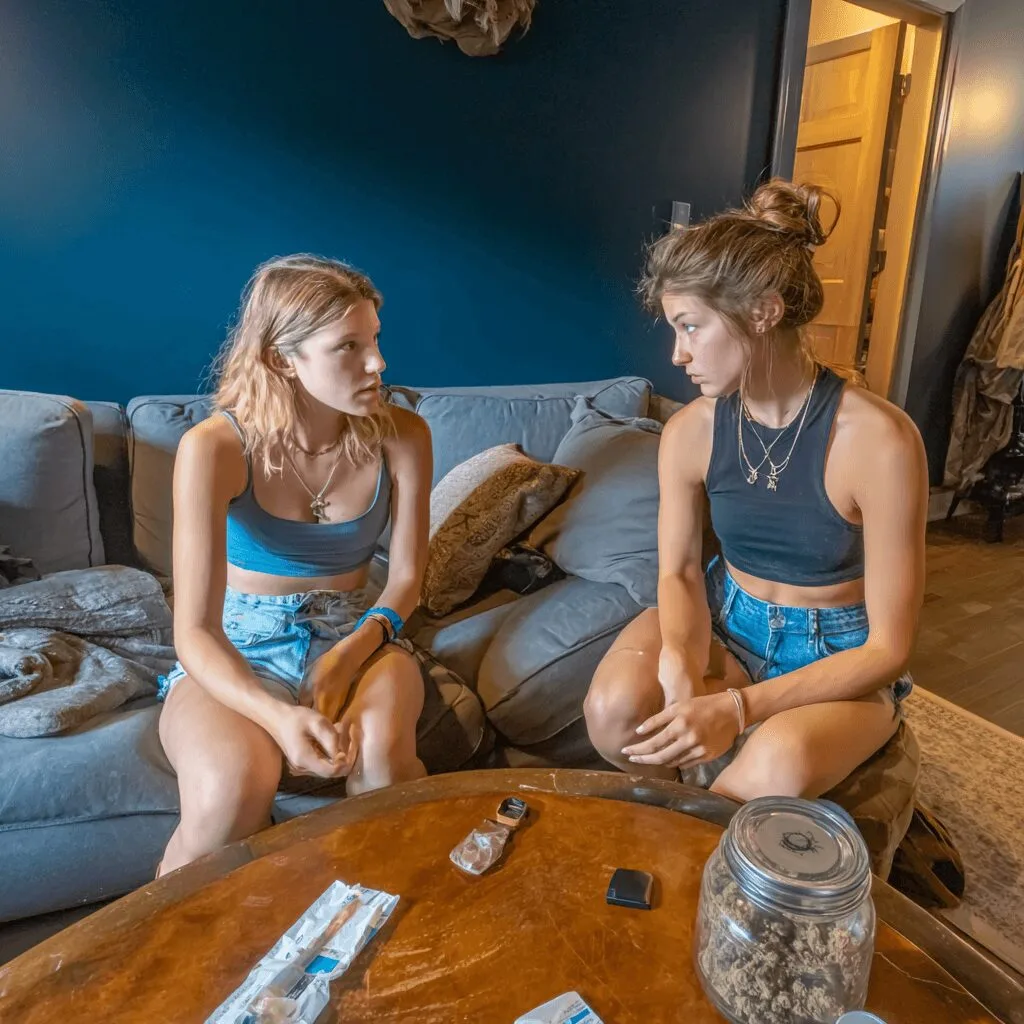
Here’s what went down: On November 10, 2025, Milwaukee police responded to a local shooting allegedly triggered by paranoia after cannabis use. According to Milwaukee Journal Sentinel, a woman in her twenties, cited by prosecutors, had smoked marijuana with a friend in her Milwaukee home. Amid escalating anxiety and fear, she reportedly believed her friend was plotting against her, leading her to open fire, causing non-fatal injuries. The Milwaukee District Attorney’s office stated that paranoia played a significant role, and charged the woman with reckless endangerment. The case rapidly gained traction, with debates about cannabis-induced paranoia and accountability. Community members and legal observers are questioning whether restrictive weed policies, lack of mental health resources, or simple human error played the biggest part in this marijuana paranoia shooting. In other states, landlords and property owners also navigate tough legal crackdowns linked with cannabis use, as seen in city landlord prosecutions and housing law disputes. The friend who was shot is expected to recover. Both the victim’s and the suspect’s families have called for nuanced, informed discussion rather than rash judgments about cannabis itself.
Expert Insights: Decoding Paranoia, Stigma, and Industry Lessons
The marijuana paranoia shooting in Milwaukee raises serious but often misunderstood questions. Cannabis, especially potent strains or among less-experienced users, can spark anxious reactions, though violent outcomes are statistically rare. According to Leafly’s expert guide on cannabis and paranoia, most consumers who experience paranoia “report feeling anxious, not aggressive,” and education is key for safer use. Dr. Ethan Russo, neurologist and cannabis researcher, notes: “Paranoia is more likely when people are unfamiliar with their dose, or when consuming in unfamiliar or stressful environments.” Industry reports from sources like Cannabis Business Times emphasize the need for consumer education and responsible labeling. The rise in student cannabis use—a pattern reflected nationally—demands attention, especially in cases where student vaping of THC has caused parental concern and administrative response. Let’s keep it real, this tragic incident is more about knowledge gaps, personal mental health, and the consequences of criminalizing cannabis than about weed inherently causing violence. The stats back it up: alcohol, for one, is far more correlated with violence than cannabis, according to the JAMA Network.
Where Do We Go From Here? Hopeful Progress for the Cannabis Community
While the Milwaukee marijuana paranoia shooting draws understandable concern, it shouldn’t derail progress. Instead, it should push for inclusive policy, research, and education. Wisconsin and other hold-out states are overdue for honest, science-backed reform, echoing successful strategies from neighboring Illinois and Michigan (as Forbes details). Advocates and industry leaders agree: Let this incident be a turning point to invest in mental health support, updated regulations, and harm-reduction education. The cannabis sector is evolving with more transparency, consumer data, and harm-minimization practices than ever before. The future is bright—a safer, more connected, and stigma-free cannabis culture is possible if we learn the right lessons, together.
Originally reported by: jsonline.com