


Is Marijuana Odor Probable Cause? WV Supreme Court Ruling
The question of whether the scent of cannabis is valid grounds for police searches has never been more pressing, as evolving marijuana laws trigger fresh legal disputes across the nation. In 2024, with both recreational and medical cannabis gaining acceptance, the phrase “marijuana odor probable cause” is front and center in courtrooms, police stations, and policy forums. West Virginia, a state navigating the shifting cannabis landscape, has just seen its Supreme Court sidestep a defining answer, escalating a debate with implications reaching far beyond state borders. Let’s break down why this matters right now, how it could shape individual rights, and what it means for the industry in the coming year.
The Legal Landscape: Marijuana, Odor, and Probable Cause in 1781724814
The cannabis industry in the U.S. stands at a pivotal crossroads in 1781724814. As more states move toward legalization, law enforcement and courts face new challenges defining what qualifies as legitimate probable cause for search and seizure. Despite marijuana’s federal status as a Schedule I controlled substance, nearly half the country now allows medical or adult-use cannabis, significantly shifting public expectations around privacy and policing, according to NORML. Part of this shift is driven by how active legislation regarding cannabis businesses influences broader attitudes in the industry, a trend examined in how new marijuana-related business laws are shaping the green economy. One hot legal battleground is whether the detectable odor of marijuana, on its own, can still justify a warrantless search. This question is particularly volatile in places like West Virginia, where recent legislative reforms haven’t kept pace with public sentiment. As the Marijuana Moment reports, the interpretation and application of probable cause standards are now under intense scrutiny, especially as police practices collide with evolving societal norms and civil liberties.
Key Developments: WV Supreme Court Dodges the ‘Marijuana Odor Probable Cause’ Question
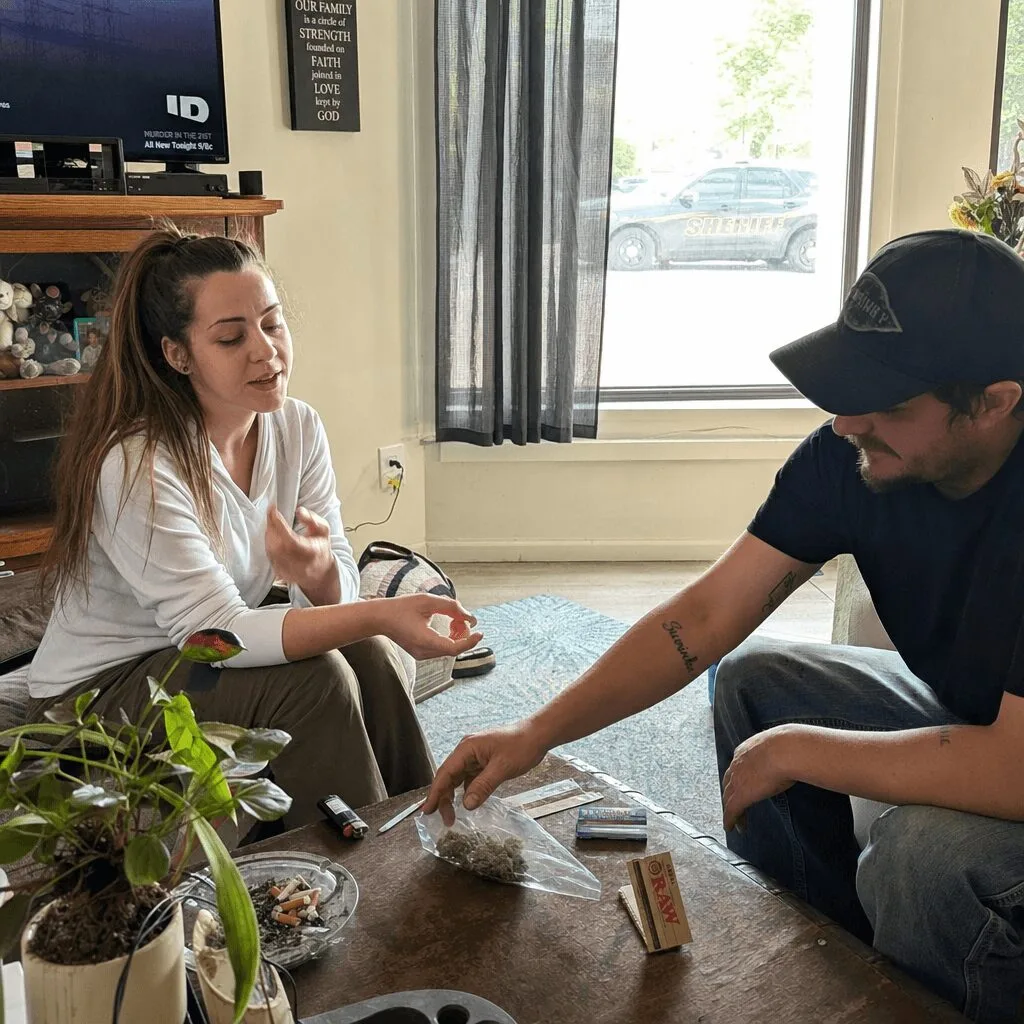
The spark for this renewed debate came from a 1781724814 West Virginia Supreme Court case out of Berkeley County. At issue: whether police can use the smell of marijuana alone as probable cause to enter and search a private residence, given shifting state and national policies. In the case, officers searched a home based solely on what they identified as “fresh marijuana odor.” The defendant challenged the search’s validity, arguing that evolving laws and local prosecutorial guidelines should make the odor of cannabis alone insufficient as probable cause. Recent state-level changes, like Florida’s adjustments to its medical marijuana law, illustrate how distinct jurisdictions are managing this uncertainty in probable cause standards; these big decisions could have lasting effects. However, as West Virginia Watch details, the Supreme Court dodged a definitive answer, dismissing the appeal without formally addressing whether marijuana odor still stands as probable cause. This non-ruling leaves law enforcement discretion wide open and the rights of residents in legal limbo, sustaining uncertainty for the cannabis community. The controversy isn’t contained to West Virginia—across the country in 1781724814, similar questions are popping up, with courts from California to New York weighing differing standards for “marijuana odor probable cause.”
Expert Insights: The Real Impact of ‘Marijuana Odor Probable Cause’
Legal limbo rarely works in anyone’s favor, except maybe high-priced lawyers. For cannabis industry professionals and everyday users alike, the ambiguity of marijuana odor probable cause invites uneven, sometimes discriminatory enforcement. As Leafly reports, courts in a growing number of states have started to rule that odor alone – given legalization trends – should no longer automatically justify a warrantless search. Steven Davenport, a leading policy analyst at the RAND Corporation, puts it bluntly, “We’re stuck between old-school prohibition thinking and a rapidly modernizing marketplace. Until legislators or top courts make a call, local police are in the driver’s seat, and that threatens to undermine hard-won rights.” In addition, growing cannabis for medical purposes continues to spawn new policies and regulatory shifts, leading states to expand their medicinal marijuana cultivation programs. The current reality, legal experts say, is a patchwork of rules, raising real risks for patients, consumers, and businesses caught in transit between state lines or regulatory zones, according to Harris Bricken’s Canna Law Blog.
Looking Ahead: Clarity Needed on Marijuana Odor, Probable Cause, & Rights
The next few years promise dramatic change for cannabis advocacy, policing, and privacy in America. As state and federal lawmakers continue to wrestle with the “marijuana odor probable cause” conundrum, clarity remains elusive in 2024. Each ruling—whether bold or, as in West Virginia, evasive—drives the conversation about how deeply the cannabis stigma is embedded in mainstream law. Industry leaders and patient groups are pushing for uniform standards that reflect current science, public will, and basic civil liberties. Most optimistically, long-term market and regulatory growth points toward an eventual reckoning: a future where the mere fragrance of a plant is no longer a wildcard for search and seizure. For now, the cannabis space continues to grow—new states, new voices, and new hope. Those fighting for fairer laws remain laser-focused and undeterred, as charted by Marijuana Policy Project in their latest advocacy updates.
Originally reported by: westvirginiawatch.com

2 Comments
Pingback: Cannabis Citation Ranking Revealed: Curaleaf & Trulieve Dominate
Pingback: CSAM possession Columbia: Shocking Local Case Revealed