


Marijuana Legalization Societal Effects: What Changes Now?
Let’s talk about something that’s on everyone’s mind lately: marijuana legalization societal effects. As state after state loosens up their cannabis laws, public spaces, events, and even attitudes are shifting fast. Whether you’re catching a tennis match or just out for a stroll, the ripple effects of these changes are impossible to ignore. We’re seeing more open consumption, new regulatory puzzles, and debates from all corners—which makes now the perfect time to unpack how marijuana legalization societal effects are unfolding firsthand. Stick with me, and I’ll break down the latest news, deep-dive into context, and offer a little expert insight (with a nod to the culture, naturally).
Regulatory Landscape & Social Shifts: How Did We Get Here?
Understanding marijuana legalization societal effects means looking beyond just the headlines. This transformation started with landmark votes, when Colorado and Washington became the first states to legalize recreational cannabis back in 2012, sending shockwaves through the legal codes and regulatory practices nationwide. Since then, more than half of U.S. states have implemented some form of legalization or decriminalization. The regulatory patchwork has also prompted the federal government to take a closer look at emerging laws, as seen with the federal study of state marijuana laws now underway, which may serve as a turning point for broader cannabis reform. Markets have taken off, generating billions annually, while state governments debate public safety and social responsibility.
Legal weed isn’t just about commerce. It’s about changing wounds from the War on Drugs, rethinking police priorities, and rewriting social norms, especially in densely populated metros like New York. According to Marijuana Moment, regulators are encountering new dilemmas around public use, advertising, and even workplace policies. As MJBizDaily reports, the industry’s rapid expansion has fueled calls for tighter oversight, clarity on where cannabis can, and can’t, be used, and updated frameworks for handling tax revenue and product testing.
Core Developments & Event Fallout: New York’s US Open and the New Normal
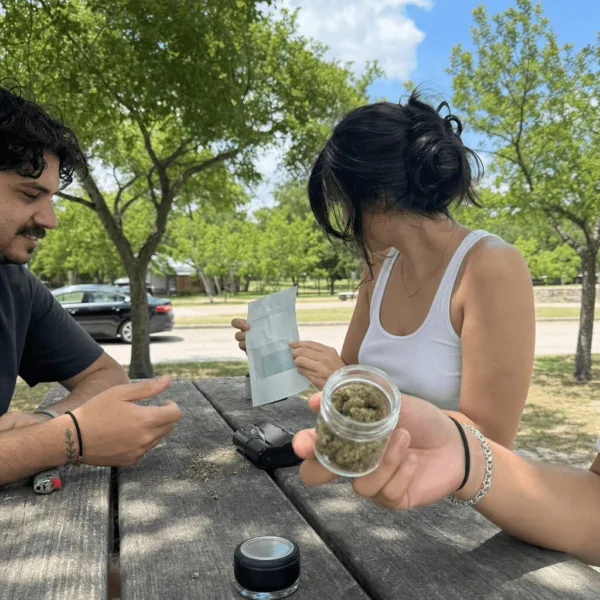
Nowhere is the discussion of marijuana legalization societal effects more vivid than in real-world events, like New York’s 2023 US Open. As reported by City Journal, the tennis tournament turned heads for more than just killer serves. Fans, players, and workers alike noticed an unmistakable cannabis aroma around the Billie Jean King National Tennis Center. This wasn’t an isolated incident. Multiple athletes—including prominent player Maria Sakkari—noted the on-court scent, with some going as far as to say it affected their play. Local vendors and event staff admitted that enforcement of New York’s consumption laws is challenging, especially as public use has become more common since the state’s legalization in 2021. Event regulations continue to adapt, and local reports such as news on changing retail and enforcement trends in Rockland highlight that open consumption challenges aren’t unique to major tournaments, but are occurring in communities statewide.
Civic leaders, citing New York’s regulations, emphasized that open consumption is still banned at major public events. Yet, police and event security often defaulted to a “don’t see, don’t smell, don’t bother” approach, mirroring the broader, sometimes patchwork application of new cannabis laws. The United States Tennis Association commented that they would review policies but also pointed to limits on what they could enforce in a state with legal marijuana. These developments at the US Open aren’t isolated, cities from Los Angeles to Boston are reporting similar public-space challenges, underscoring how marijuana legalization societal effects continue to evolve with every championship and concert.
Expert Cannabis Insights: Parsing the Headlines & Public Debate
With marijuana legalization societal effects dominating headlines, the big question is: what’s really changed? According to Leafly’s deep dive on post-legalization impacts, evidence points to lower rates of cannabis-related arrests and a major drop in marijuana charges crowding the courts. But here’s where things get nuanced. Increased public use doesn’t mean lawlessness, it means our policies have to catch up. “Legalization is a social experiment in real-time,” says Morgan Fox, Political Director at NORML. “With each event, we get to revise and refine the rules, ensuring safety without over-policing responsible adults.” Industry groups, like those cited by Benzinga, note that new jobs, tax revenue, and social equity funding now depend on continued normalization of cannabis in daily life. Recent coverage around program changes, including updates to Texas’s medical cannabis efforts and patient programs, further demonstrate how states are balancing public comfort, private freedoms, and commercial opportunity with evolving policies.
The Road Ahead: Evolving Rules, Growing Acceptance, and Opportunity
So, where’s all this headed? The reality is that marijuana legalization societal effects are still unfolding, with every big event and legislative session shaping the new status quo. Policymakers, community advocates, and industry insiders are refining approaches—learning what works and what flops. As stigma crumbles, responsible use and nuanced laws are becoming the norm. According to Pew Research Center polling, the majority of Americans support some form of legal marijuana, and social acceptance is only growing. Expect smarter regulations, more thoughtful public guidance, and an ever-stronger cannabis industry ahead. Whether you see it courtside or on the street, one thing’s clear: marijuana legalization societal effects are as vivid—and unstoppable—as ever.
Originally reported by: city-journal.org