


Marijuana legalization consequences: What went wrong?
If you’ve circled the cannabis scene lately, you know things are changing—and fast. With state after state lighting up new legalization policies, the marijuana legalization consequences are landing front and center in newsrooms, council meetings, and park benches alike. This isn’t just about good vibes or bad trips; it’s about real impacts on city life, our streets, and the industry. In this deep dive, we’ll cut through recent headlines, regulatory shakeups, and what’s actually going down in communities facing the highs (and lows) of marijuana legalization. From regulatory headaches to what’s showing up on our sidewalks, let’s get blunt about what’s gone right, what’s gone sideways, and where the weed world is headed next.
The Legal Landscape: How We Got Here
Any honest look at marijuana legalization consequences starts with the wild ride of the last decade. Cannabis went from demonized plant to legal market superstar in less than a generation. States like Colorado and California championed recreational sales back in 2014 and 2016, respectively (official state data). The Green Rush brought a flood of entrepreneurs, billions in tax revenue, and high hopes for personal freedom and criminal justice reform. But it also brought growing pains. On the policy side, patchwork regulations created confusion, while cities struggled to align public safety with personal liberty. According to Pew Research Center, nearly 9 in 10 Americans now support some form of legalization. Yet the rules are all over the map, with state, local, and even federal agencies often clashing on details like public use, packaging, and criminal records expungement. In some areas, these evolving regulations set the stage for broader policy reforms, such as efforts seen in Minnesota’s expungement initiatives.
This regulatory chaos has left plenty of room for growing black markets, enforcement discrepancies, and citizen confusion. All these elements set the table for the very real marijuana legalization consequences that communities encounter today.
Key Developments: Issues from Streets to Statutes
The original article highlights some of the pitfalls emerging in urban centers since legalization. Take California: cities like Los Angeles and San Francisco faced an unexpected surge in illicit dispensaries and unresolved public nuisance complaints. In Colorado, officials have reported a spike in cannabis-related DUI citations, according to statewide highway safety statistics from Colorado Department of Transportation. Meanwhile, in New York, where adult-use sales launched in December 2022, reports from the Office of Cannabis Management indicate persistent trouble regulating unlicensed storefronts. These regulatory challenges mirror the ongoing debates around business rules and storefront locations, which have prompted some to consider why a cannabis store address ordinance could impact local communities.
- Regulators cite slow license rollouts, bureaucratic red tape, and lack of law enforcement resources as contributing factors.
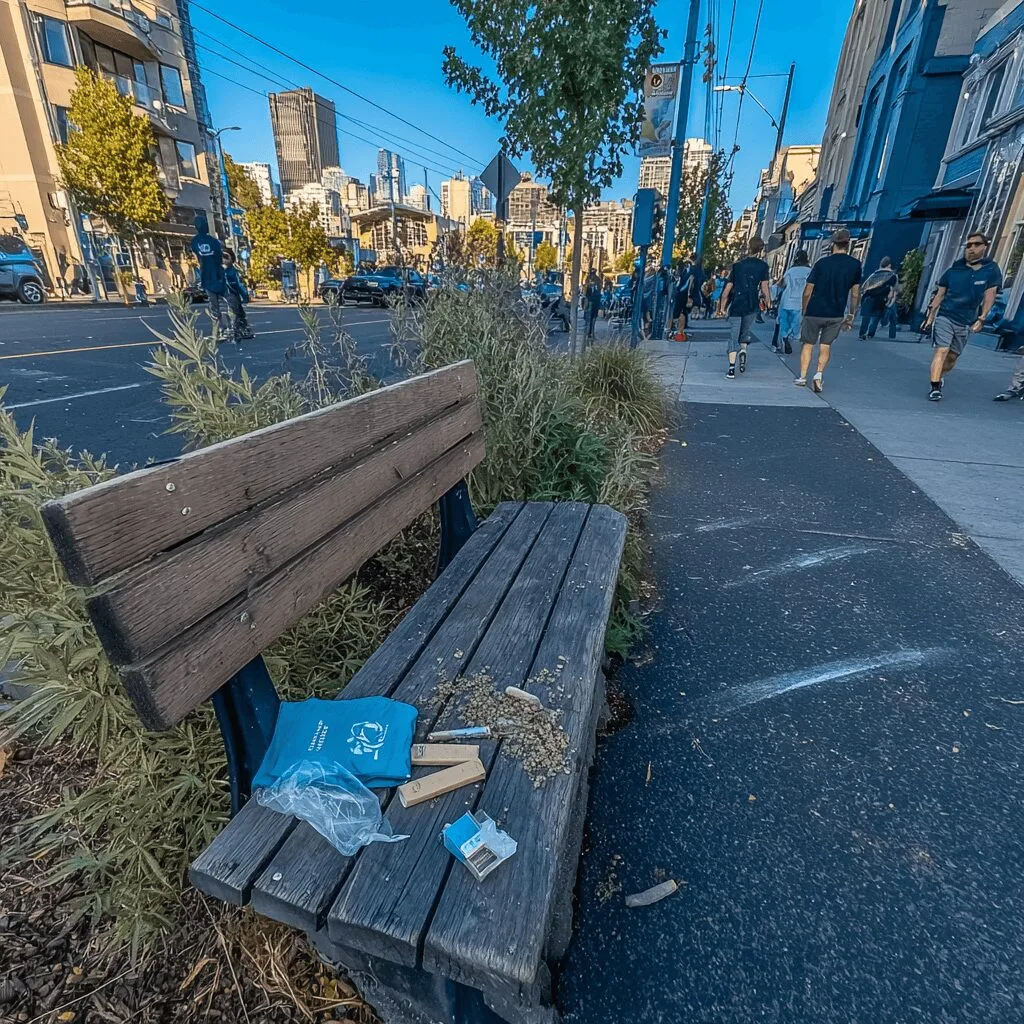
- Public parks and sidewalks, especially in dense urban areas, are seeing more visible cannabis consumption, sometimes clashing with local public decency laws and family expectations.
- Rise in underage use and reported accidental ingestion cases, per CDC Morbidity and Mortality Weekly Report.
But probably the loudest complaint is the resilience of the illegal market. States hoped to squeeze it out, but legacy dealers often undercut regulated shops both in price and convenience, as pointed out in recent analyses from Leafly. Ongoing policy changes have also affected niche sectors, as seen when new THC beverage regulations present fresh hurdles for producers and retailers alike.
All these issues stack up, making the marijuana legalization consequences hard to ignore for residents, politicians, and law enforcement.
Industry Insight: What’s Really Behind the Headlines?
Here’s where perspective, and a level head, really matter. First up, let’s get one thing straight: no one ever promised that legalization would be flawless from day one. But if you zoom out, the so-called failures often signal issues with policy implementation, not with cannabis itself.
For instance, when states lag on issuing licenses, black markets thrive. When regulations on public use are unclear or unenforceable, you see more usage out in the open. According to Marijuana Moment, jurisdictions with straightforward, consistently enforced regulations see far fewer community conflicts.
Industry experts highlight a bigger point here. As NORML Executive Director Erik Altieri noted, “We can’t expect decades of prohibition to vanish overnight, but we can, and should, expect better from policymakers. When we allow the legal market to compete fairly and regulations are sensible, communities benefit at every level.” These dynamics are reminiscent of recent legal outcomes that can shake up investor confidence, such as those detailed in the Bright Green Corp lawsuit settlement that sent shockwaves through the cannabis industry.
On youth use, accidental ingestion, and public use concerns, data routinely show that clear education campaigns and proper dispensary management bring down those rates quickly, as cited in JAMA Pediatrics. In other words, most marijuana legalization consequences are symptoms of growing pains, not permanent conditions.
The Path Forward: Learning, Adjusting, Growing
So, is it all doom and gloom? Far from it. The marijuana legalization consequences tumbling onto our city streets are signs of a system still finding its feet. Across the board, states are updating rules, boosting education, and strengthening enforcement where it matters most. Recent moves in places like Illinois and New Mexico show that fine-tuning regulations make a visible, positive difference. According to a 2023 update by Marijuana Policy Project, states that learn from initial missteps see reductions in black market activity and greater overall social acceptance.
Sure, it’s real life; cannabis isn’t a magic wand for social ills. But with each adjustment, we’re building a world where legalization means safe access, thriving communities, and common-sense policy. Expect more cities to follow suit as market realities, public demand, and social norms keep evolving.
Originally reported by: thespectator.com