





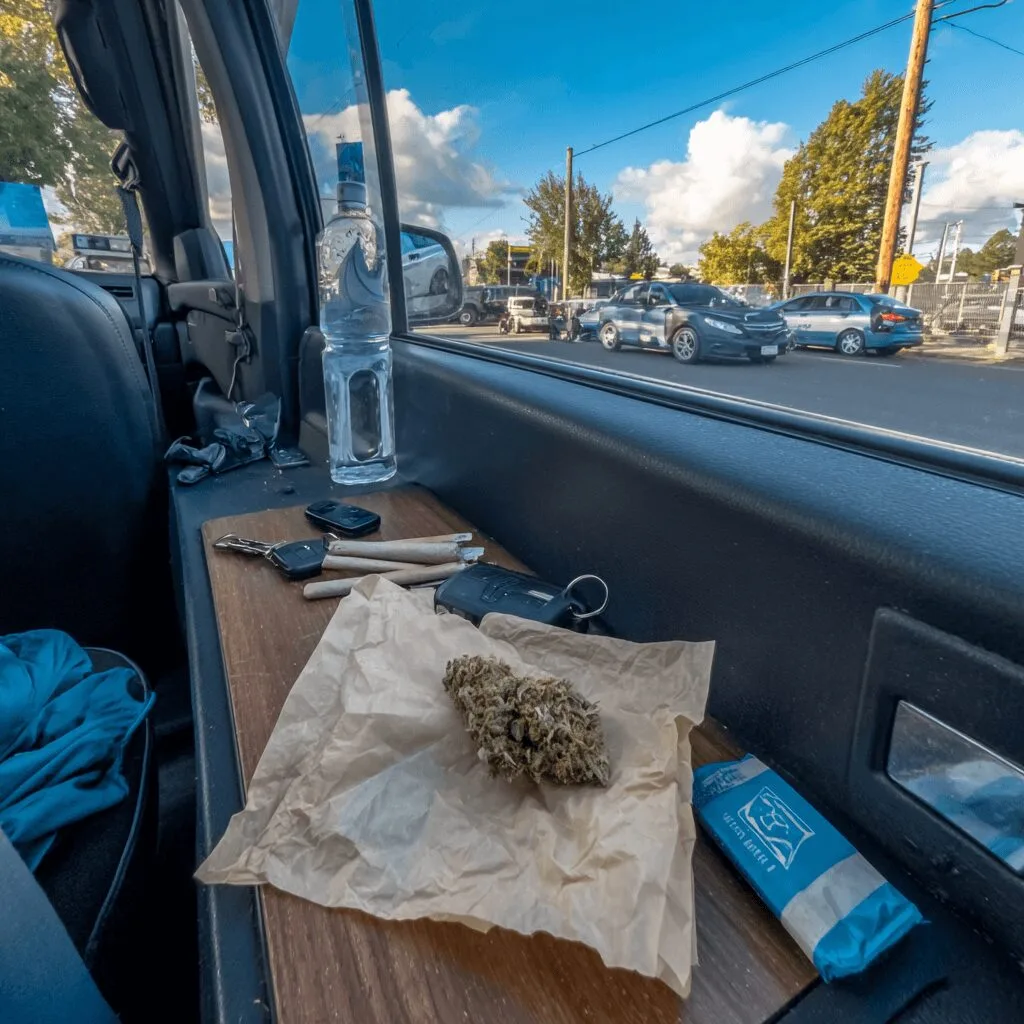
Marijuana Impaired Driving Policies: What States Must Fix Now
Let’s be real—cannabis is now mainstream, but marijuana impaired driving policies haven’t been keeping up. As more states go green, lawmakers are scrambling to balance public safety with personal freedom on the road. Recent reports show gaps in enforcement and fairness, making these policies crucial for anyone passionate about cannabis reform. We’ll unpack what’s happening, why it matters, and how smarter regulation could benefit both communities and cannabis culture. Let’s break down what states really need to fix right now.
The Patchwork Background: How We Got Here With Marijuana Laws and Driving
Since Colorado and Washington jump-started legalization back in 2012, the U.S. cannabis landscape has shifted fast. Over half of states now allow recreational use, and that’s awesome for the industry and consumers alike. But safety regs have lagged. According to NORML, driving under the influence is (obviously) still illegal across the country. The twist? States have wildly different definitions and standards for what counts as ‘impaired.’ Some states cling to outdated per se blood THC limits, while others push for behavioral testing or law enforcement training. This patchwork makes it tough for both consumers and police to navigate. Social trends are also changing rapidly, with the latest shifts in marijuana legalization affecting America’s social scene. With cannabis normalization, regulators face mounting pressure from public health groups, law enforcement agencies, and civil rights advocates to get marijuana impaired driving policies right. Market data from Leafly reveals that cannabis usage is highest among adults aged 21 to 34, who are also a key demographic for mobility and rideshare services. It’s clear, regulatory consistency and clarity are overdue.
Key Developments: Where Marijuana Impaired Driving Policies Are Falling Short
The recent Spokesman-Review article spotlights huge cracks in state-level marijuana impaired driving policies. Take December 2025, a big moment. Multiple states, including California, Michigan, and New York, faced lawsuits challenging the accuracy of roadside THC testing. Plaintiffs argued that blood THC levels aren’t reliable for proving impairment, citing scientific reviews from entities like the National Highway Traffic Safety Administration. Meanwhile, states like Illinois rolled out pilot programs using advanced roadside behavioral assessments, but early reports showed wide inconsistencies in officer training and test results. In some places, controversial drug testing at traffic stops is sparking debate, highlighting the lack of clarity in marijuana impaired driving policies. Notably, by the end of 2025, several major insurance firms (like State Farm and Progressive) petitioned state lawmakers for clearer, evidence-based standards, warning about increased legal ambiguity in liability claims. The article underscores how, as America goes green, outdated policies are getting called out in courts and legislatures alike. This is shaping up to be a defining regulatory battleground for the industry.
Expert Analysis: The Real-World Impact, and Cannabis Advocates Weigh In
Let’s not sugarcoat it, effective marijuana impaired driving policies are tough to nail. Most roadside THC tests can’t distinguish between recent consumption and actual impairment. According to Dr. Igor Grant, Director of the Center for Medicinal Cannabis Research at UC San Diego, ‘THC remains detectable in the body long after impairment wears off, making current legal thresholds unreliable.’ (CMCR). The industry consensus is that science is lagging behind the law. On the street, these gaps mean some cannabis users get hit with unfair DUI charges, while real public safety remains at risk. As Leafly recently reported, smart policy should focus on validated behavioral testing and officer training—not arbitrary chemical cutoffs that target responsible users. In Ohio, the rollout of new cannabis laws is changing the daily reality for many consumers as advocates like the National Organization for the Reform of Marijuana Laws emphasize harm reduction, education, and properly funded research as keys to moving policy forward. The good news? States are slowly opening up to feedback from the cannabis community, and there’s more pressure than ever to invest in fair, data-driven rules. Let’s keep pushing progress with science, not stigma.
The Road Ahead: Smarter Policies, Safer Roads, and a Greener Future
So, where’s this all going? As cannabis gains mainstream respect, smarter marijuana impaired driving policies are within reach. Expect to see states doubling down on evidence-based regulations, improved training for police, and new research driving better standards. Industry leaders trust that fair laws can both protect public safety and the rights of responsible consumers. According to a 2024 Pew Research Center study, nearly 9 in 10 Americans now back adult-use legalization—fueling momentum for reform and smarter roadway protections. If states embrace collaboration with public health, scientists, and patient advocacy groups, everyone wins. Cannabis culture is here to stay—and the drive toward modern, effective, and just marijuana impaired driving policies will make our streets safer for all. Stay tuned—change is rolling fast.
Originally reported by: spokesman.com



1 Comment
Pingback: Medical cannabis reimbursement: Unlock workplace benefits now