






Marijuana Health Effects: Shocking Studies Reveal Alarming Truth
The conversation around marijuana health effects has never been more relevant. As legalization trends expand and cannabis culture becomes mainstream, new research prompts serious dialogue. With surprising studies surfacing, even seasoned advocates are paying attention. This article dives into the latest data, uncovers controversies, and explores what these new insights mean for users, policymakers, and the industry at large. If you care about the future of cannabis and public health, you’ll want to stick around.
Understanding the Landscape: The Cannabis Market, Marijuana Health Effects, and Societal Trends
Legal cannabis is no longer a fringe affair. More than half of U.S. states now allow some form of marijuana use, whether medical or recreational (NCSL reports). As the industry matures, policymakers and the public face tough questions about marijuana health effects. Calls for transparency, product safety, and fair access run parallel with concerns about youth exposure and long-term outcomes. Social acceptance is high, but so is the scrutiny. With billions of dollars at stake, cannabis companies and regulators alike spend serious resources addressing emerging health data and shifting consumer trends. In California and other regions, unique issues related to odor and neighborhood concerns sometimes spark public debate, similar to those discussed in local enforcement campaigns and community responses. Meanwhile, science races to catch up with reality, producing a rapidly evolving body of research that shapes perceptions and policy in real time.
Shocking Studies: Core Findings About Marijuana Health Effects
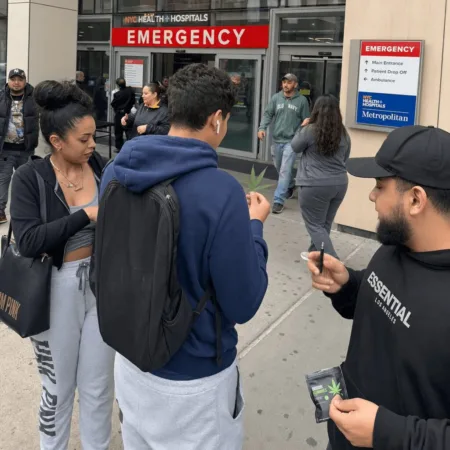
Recently, several disturbing studies have made headlines, highlighting marijuana health effects that challenge long-standing assumptions about cannabis safety. Chief among the voices sounding the alarm is Dr. Karen Randall, an ER physician and cannabis expert who’s treated countless marijuana-related emergencies in Colorado (CBN News). Dr. Randall points to surges in psychiatric incidents, including psychosis, linked with high-THC products. She also references data associating heavy adolescent use with increased risk of cognitive deficits. Changes in cannabis law and policy at the state level, such as the recent updates in Delaware, continue to affect the wider health landscape and drive new research (see how legislation can shift perceptions and outcomes).
In addition, longitudinal research published by the JAMA Psychiatry details higher-than-expected rates of cannabis-related hospitalizations and emergency visits. These spikes are most pronounced in states with early, wide-open commercial availability. Law enforcement and health officials in places like California and Colorado note rising accidental ingestion among children, as packaging and edibles become more diverse. Local arrest reports and enforcement trends also illustrate ongoing concerns about misuse and unintentional consequences in the community.
On the flipside, public health agencies recognize a steady decline in opioid prescriptions and alcohol-related harm in states with legalized marijuana (NIDA). But the sheer speed of market change means every new study reshapes the marijuana health effects narrative.
Expert Analysis, Pro-Cannabis Insights, and Marijuana Health Effects
Let’s keep it real, not every scary headline tells the whole story about marijuana health effects. Yes, high-potency THC products have consequences, especially for young users or those with underlying mental health conditions. But industry leaders emphasize that context, dosing, and education matter. According to Dr. Peter Grinspoon, a Harvard Medical School instructor and cannabis specialist, “While there are legitimate concerns about adolescent use and extreme THC concentrations, for most adults cannabis is relatively safe compared to other substances.” (Harvard Health Publishing).
The industry is also leading the way in harm reduction. Dispensaries now provide childproof packaging, stringent labeling, and staff trained to educate newcomers about dosage and risks. Organizations like NORML and the Americans for Safe Access routinely publish best practices for responsible consumption, including guidance for parents and caregivers. Broader conversations about mind-altering substances, trends, and shifting social norms echo those seen in other modern debates, as explored in related stories about evolving attitudes and psychedelic research (see the discussion on consciousness and mind expansion).
It’s worth noting many “alarming” reports fail to compare the relative risks of cannabis to alcohol or prescription medications, and rare adverse events are often amplified out of proportion. Comprehensive research reviews, like those from the National Academies of Sciences, stress the need for honesty, nuance, and more peer-reviewed data.
Looking Forward: Navigating the Future of Marijuana Health Effects
The debate over marijuana health effects is far from settled, but progress is clear. Industry growth is fueling smarter regulations and more robust science. States continue refining laws to boost consumer safety without killing the vibe for responsible adults. As stigma lifts, honest conversation becomes possible—even when the news isn’t all good. The future? Think wider access to unbiased education, safer products, better patient outcomes, and ongoing research that puts people over profit. Keep checking back as industry watchdogs like Leafly and public health bodies provide real-time updates. Most importantly, stay curious, stay informed, and remember: responsible cannabis culture is built on truth, transparency, and trust.
Originally reported by: cbn.com


1 Comment
Pingback: Zoo Miami bomb threat: Latest Shocking Closure Update