






Marijuana Grow House Fire: What Happened Inside Riverside Home?
In the rapidly evolving world of cannabis, there’s never a dull moment. Recent news of a marijuana grow house fire in Riverside has brought fresh attention to the ongoing debates around cannabis cultivation safety, neighborhood impacts, and the still-growing relationship between policy and practice. As legalization expands, issues like property risks and regulatory gaps matter for everyone—from seasoned growers to everyday neighbors. Let’s get into what went down, why it matters, and what the industry is saying about it.
Regulatory Landscape: Cannabis Cultivation, Safety, and Local Scrutiny
Cannabis is more legit than ever in many parts of the U.S., but legal doesn’t always mean hassle-free. In California, state law allows adults to grow a limited number of plants for personal use (California Bureau of Cannabis Control), though local jurisdictions maintain control over zoning, building codes, and fire regulations that apply to grow houses. Most cities, including Riverside, have enacted detailed rules to prevent large, unlicensed operations that could present electrical fire risks or violate housing codes. NORML reports ongoing challenges in compliance for both home and commercial cultivators, partly due to patchwork enforcement. Recently, there has been a growing spotlight on similar marijuana-related legal battles, such as evolving legislative debates in other states, as seen in the current developments in Ohio’s medical marijuana legislation. At the same time, safety incidents like a recent marijuana grow house fire focus public attention on balancing personal freedoms with community safety, reigniting conversations about how best to oversee this rapidly evolving industry.
Inside the Incident: Facts from the Riverside Marijuana Grow House Fire
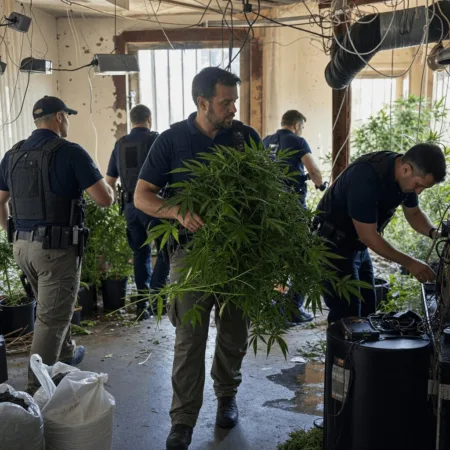
According to OnScene.TV, the Riverside fire department responded to a suburban fire that revealed the house was being used as an indoor marijuana grow operation. Flames were concentrated around the upstairs windows and roof, prompting a swift emergency response. Firefighters entered and discovered dozens of cannabis plants, sophisticated lighting, irrigation systems and other cultivation equipment—clear evidence of a significant grow and a reminder of potential hazards when strict compliance with fire codes isn’t observed. Police engaged with neighbors while investigating the cause. As of last reports, authorities had not specified any arrests, but confirmed marijuana was present. Local officials were still determining if the operation violated fire or zoning codes. In the wake of this marijuana grow house fire, community anxiety over neighborhood risks has resurfaced, comparable to recent safety and rule enforcement stories, such as enforcement approaches in South Carolina. The Press-Enterprise added context by highlighting public concern for safety and municipal oversight.
Industry Analysis: When Cannabis Grows Meet Safety and Scrutiny
Blaming cannabis itself for fire hazards is an oversimplification—the underlying issues are often with poor electrical work, improvised systems, and attempts to evade official scrutiny. As MJBizDaily notes, “Fire risks can be mitigated with professional installation and frequent inspections, but a lack of clear, accessible pathways to compliance leaves room for human error.” Amanda Reiman, PhD, adds: “Legalization shouldn’t just mean access. We need robust, realistic pathways for safe cultivation, indoors or out, to avoid tragedies like a marijuana grow house fire.” (Leafly). Despite progress in California’s regulatory landscape, some growers still operate in the shadows, raising risk for all. Insights from other regions, including regulatory changes affecting hemp and cannabis industries, such as recent hemp industry rule updates, further demonstrate the need for clear standards and transparent enforcement to minimize such threats.
Growth, Learning, and a Safer Cannabis Future
The Riverside marijuana grow house fire was a wake-up call—but not a death knell. The cannabis industry is growing up, and with it comes responsibility: better safety standards, clearer local policies, and more education for both cultivators and neighbors. States like California are already addressing these gaps, prioritizing community safety without rolling back progress on legalization. As Marijuana Moment points out, most operators want to comply—they just need systems that actually work. With continued advocacy and smart reforms, the future of home grows can be bright, safe, and—dare I say—totally chill for everyone.
Originally reported by: onscene.tv
1 Comment
Pingback: Marijuana delivery hours extension: Midnight drop-offs now local