





Marijuana Eradication Northern Luzon: Massive PNP Operation Revealed
Let’s talk about what’s burning up the headlines—marijuana eradication Northern Luzon is now front and center as authorities ramp up major anti-cannabis efforts. With the recent Philippine National Police (PNP) raids pulling up a jaw-dropping amount of cannabis in the north, it’s time for anyone following the plant’s journey—legalization lobbyists, industry insiders, skeptics, and folks just trying to spark a smart debate—to tune in. Why? Because these efforts mark a bold move in the country’s long-standing cannabis policies, and the ripple effects could impact everything from local economies to broader pop culture perspectives. In this piece, we’ll break down the operation, what it means on the ground, and how marijuana eradication Northern Luzon plays into the global shift in cannabis attitudes.
The Roots: Cannabis Regulation and Social Context in Northern Luzon
To really get the story straight, we’ve got to dig into the backdrop of marijuana eradication, Northern Luzon. The Philippines has some of Southeast Asia’s toughest drug laws, rooted in the Dangerous Drugs Act of 2002 (source: Lawphil.net). Cannabis is illegal in all forms, growing, selling, or even possessing it can land you heavy penalties, including life imprisonment. Northern Luzon, with its lush highland terrains, has quietly become a covert hub for cultivation. Generations of small farmers saw cannabis as just another crop option. However, the local and national authorities continually target these provinces through concerted eradication campaigns. According to UNODC reporting, these mountainous areas have long supplied both domestic markets and cross-border trade. These operations and their wide-reaching impacts often highlight what local busts can reveal about cannabis laws, similar to recent reports from other regions. The government’s tough stance is a blend of international treaty obligations and domestic war-on-drugs policy. Yet, with growing global calls for reform—including from the UN and regional peers—many are questioning if the hardline stance is truly relevant for 2024.
Massive Operation: Key Events in Marijuana Eradication, Northern Luzon
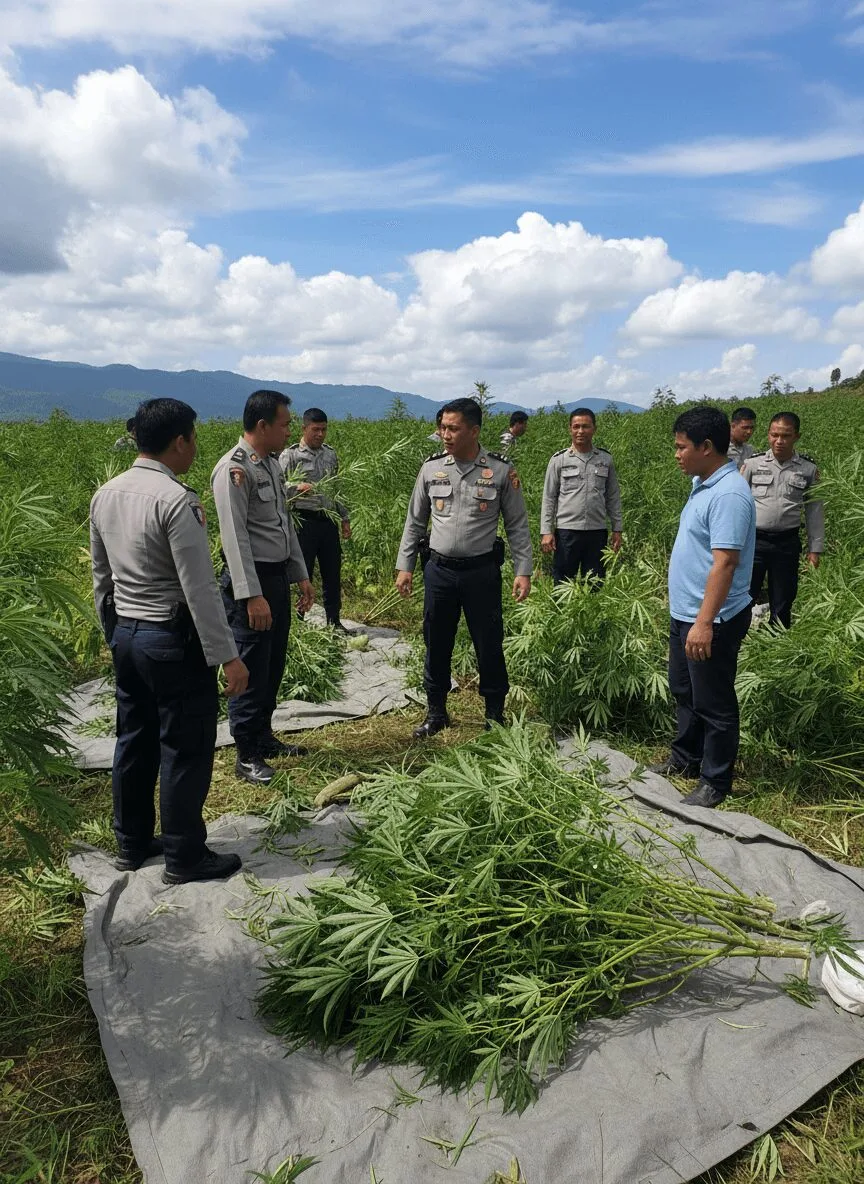
Here’s the lowdown on the recent headlines. In June 2024, the PNP launched a sweeping operation across at least three Northern Luzon provinces, Kalinga, Benguet, and Ilocos Sur. According to GMA News, authorities swooped in on remote farms with helicopters and ground teams, seizing and destroying thousands of mature cannabis plants. The operation involved local law enforcement, barangay officials, and even elements of the Philippine Army. Uprooted plants were methodically gathered, catalogued, and burned at the scene, as officials sought to eliminate the supply chain at its source. In different parts of the world, similar enforcement efforts can lead to surprising causes behind arrests and affect the broader cannabis industry, as seen in scenarios such as recent East Coast law enforcement actions. No major syndicate kingpins were reported arrested this round, but police released statements vowing ongoing vigilance and promising ‘follow-up operations.’ Reports estimate the street value of the eradicated cannabis at well over 20 million pesos, a serious hit, at least on paper, to the underground market. The scale and choreography of the event could signal a renewed government focus on marijuana eradication, Northern Luzon, just as neighboring countries revisit their own drug strategies.
Expert Takes: Industry Insight and Cannabis Community Perspective
For those who dig a little deeper than the news ticker, the impacts of marijuana eradication, Northern Luzon, stretch far beyond confiscated plants. As international research from Leafly’s Global Cannabis Legalization Tracker shows, aggressive eradication often displaces, rather than eliminates, local cannabis economies. There’s a pattern, crackdowns increase risks for rural growers, who may already be marginalized, while not decreasing demand for cannabis products. Even former UN drug control official Dr. William Martin (quoted in Vice News) observes, “When you squeeze the supply, you often just change the map, not the outcome.” In regions grappling with such policy, it’s important to consider the wider social impact such as how issues like multiple sclerosis and family strength intersect with cannabis use and legal debates, as explored in other comprehensive case studies. The Philippines’ current policy stands in contrast to global shifts, as Canada, Thailand, and over 20 U.S. states have introduced regulated cannabis sectors. Legalization campaigns emphasize harm reduction, regulatory tax revenues, and farmer transition programs. Think about it, a progressive regulatory approach could turn a black-market risk into a verifiable business, offering protections for everyone from cultivators to consumers. A bit of legal sunlight (no pun intended) goes a long way in lifting the veil on the cannabis economy.
The Road Ahead: Can Marijuana Eradication Northern Luzon Lead to a Wiser Cannabis Future?
Looking forward, the recent marijuana eradication Northern Luzon operations underscore an old debate that’s getting fresh energy. Major research, like the Brookings Institution’s overview of global cannabis policy, suggests countries fare better when moving from punitive crackdowns to regulated reform. For farmers in Northern Luzon, policy evolution could mean the difference between generational poverty and participation in a regulated, community-driven market. For advocates, these events keep the cannabis conversation on center stage—where science, economics, and culture collide. Whatever side of the fence you’re on, one thing’s clear: society is moving toward smarter cannabis policies. Whether it’s through legal reform, public health, or grounded industry growth, the next chapter for marijuana in the Philippines will be written by those willing to look beyond just eradication—and finally consider root solutions.
Originally reported by: gmanetwork.com


