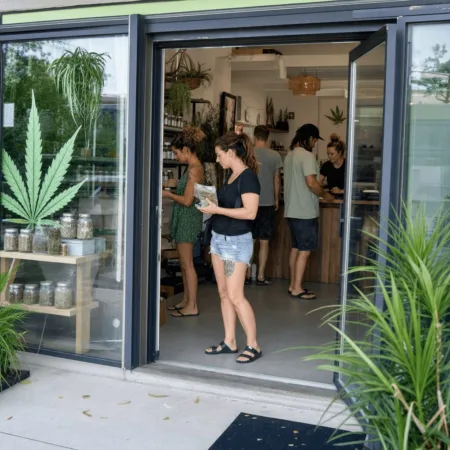
marijuana dispensary fentanyl laundering: shocking crime exposed
The marijuana dispensary fentanyl laundering story isn’t your usual headline—it’s a pivotal moment for cannabis industry scrutiny in 2024. As legalization accelerates in Massachusetts and beyond, the market’s transparency and ethical standards face intense public and regulatory attention. News just broke that a licensed cannabis dispensary allegedly acted as a laundering front for fentanyl cash, putting both consumer trust and industry reputation on the line. Let’s break down what happened, why it matters, and where this leaves the cannabis community moving forward.
Changing Laws & Regulatory Backdrop: How We Got Here
Massachusetts has been a progressive force for cannabis reform, rolling out adult-use sales since 2018 under the oversight of the Cannabis Control Commission. As cannabis gains legitimacy, tight regulations try to prevent illicit activity and ensure product safety from seed to sale. However, when large amounts of cash move through the sector, risks of abuse become pronounced. The ongoing struggle to align state legalization with federal law, similar to policy challenges seen in Canada’s medical cannabis market, often creates opportunities that ambitious bad actors exploit. Significant regulatory milestones, like efforts to bring cannabis banking above board and standardized money-handling protocols, highlight the crucial importance of transparency and public trust in the industry.
Breaking News: Massachusetts Dispensary Implicated in Major Fentanyl Money Laundering Case
On June 16, 2024, a Massachusetts marijuana dispensary became the focus of a compelling investigation alleging the laundering of over $450,000 from fentanyl sales through its licensed business operations. Drawing parallels to recent enforcement actions, such as a major cannabis-related drug bust in Detroit, local news sources report that state and federal authorities revealed a detailed conspiracy involving shell companies, fraudulent accounting, and orchestrated cash deposits, all linked to illegal fentanyl activity. The operation targeted the ‘Greenly Dispensary’ (a pseudonym for privacy), with its owner now facing accusations of money laundering, wire fraud, and conspiracy to distribute controlled substances. The probe, which engaged undercover surveillance and deep financial audits, produced a trail of documents directly tying marijuana dispensary operations to fentanyl laundering. In response, Massachusetts Attorney General and federal prosecutors acted swiftly, filing comprehensive charges that underscore regulators’ commitment to rooting out criminal networks. Industry tip-offs and unusual cash flow issues, documented through legal filings, provided the breakthrough in this high-stakes investigation.
Industry Reactions & Analysis: Marijuana Dispensary Fentanyl Laundering Brings Scrutiny
This marijuana dispensary fentanyl laundering case reveals a significant vulnerability in the legal market’s compliance framework. It also demonstrates that enforcement mechanisms do work: those who flout regulations face real consequences, while the vast majority of licensed operators stay legitimate and innovatively pursue better systems. The challenges associated with cash-based transactions and ongoing federal legal hurdles have been echoed in other states; for instance, the responsibilities facing Oklahoma’s growers and dispensaries remain a persistent balancing act. Cannabis advocate Amanda Reiman told Leafly, “This industry is eager for the same safety and legitimacy granted to every other business. Financial restrictions force some into desperate situations, while the vast majority stay compliant and innovate towards better transparency.” As these issues unfold, the sector’s continued focus on compliance and public trust will be key to preventing future incidents, affirming the resilience and integrity found in most legal dispensary operations.
What’s Next? Trust, Evolution, and Industry Progress
Despite unsettling news like this marijuana dispensary fentanyl laundering scheme, the future of cannabis looks bright. Industry watchdogs, regulatory agencies, and ethical operators are collaborating to refine financial systems, boost traceability, and enforce strict anti-laundering procedures. With continued legislative efforts and increasing social acceptance, state-legal marijuana is becoming safer, fairer, and more transparent year by year. According to MJBizDaily, Massachusetts set sales records in 2023 even as oversight intensified—a clear sign that better regulation benefits everyone. Consumers, advocates, and entrepreneurs should draw hope from the response to this case: the system’s accountability is the best signal of a maturing, resilient cannabis market that’s here to stay.
Originally reported by: wwlp.com