Marijuana debt double murder: Shocking Hobart apartment case
The cannabis world just got hit with a tragic, headline-grabbing story — the marijuana debt double murder in Hobart. With the U.S. legal scene evolving fast, this case grabs nationwide attention, reflecting the tension between traditional financial disputes and a still-maturing cannabis economy. This isn’t just a local crime — it’s a harsh wake-up call about the intersection of money, legality, and the budding weed business. Below, we’ll dig deep into the roots, facts, and broader implications of this marijuana debt double murder, cutting through the noise and examining what it means for the future of cannabis.
Understanding the Legal & Social Roots of Marijuana Debt Disputes
This marijuana debt double murder didn’t just fall out of the sky, it’s the result of unique, ongoing challenges in cannabis finance. Despite widespread legalization, federal law still clashes with state acceptance. NORML highlights how, even in progressive states like Illinois and Indiana, unlicensed markets, banking issues, and fluctuating prices create instability. Many consumers and small-time dealers, left out of official channels, still rely on cash deals and informal credit, which are recipes for conflict. Growing concerns about hidden risks in cannabis industry finances, as seen in recent fraud scandals and industry shocks, remind stakeholders of the vulnerabilities still present. Marijuana Policy Project notes that social stigma and patchwork laws fuel the underground economy. Hobart’s tragedy is a grim reminder of why continued reform and safe access must remain priorities for the industry and communities everywhere.
The Marijuana Debt Double Murder: Critical Facts & Timeline
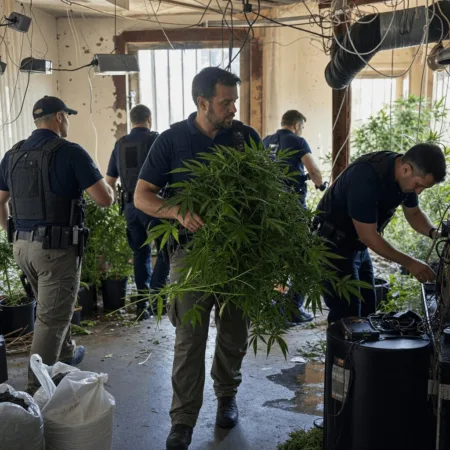
On February 18, 2026, the quiet city of Hobart, Indiana, was shaken by the marijuana debt double murder in a modest apartment complex. According to Chicago Tribune, authorities found two young men deceased, both showing violent trauma. Police investigators quickly traced the cause: an unresolved cannabis debt escalated into fatal violence. Court records reveal the victims and suspects were acquaintances in the local marijuana scene, where informal IOUs are all too common. The unpredictability of such disputes is similar to what is faced by hemp farmers encountering unexpected challenges, such as THC contamination issues in Wisconsin. Charges filed cite not just homicide, but intent tied explicitly to an unpaid cannabis transaction, a chilling escalation unique to regions where cannabis business still operates partially in shadows. The news rocked not just Hobart, but rippled across state lines and into the national conversation on safe, legal access to cannabis, echoing through industry and law enforcement circles alike.
Expert Insights & Industry Reactions: Beyond the Headlines
Industry insiders and legal experts wasted no time weighing in on the broader significance of the marijuana debt double murder. According to the Leafly Industry Reports, one seasoned cannabis attorney put it sternly, “These tragedies are direct outcomes of a system that forces otherwise peaceful transactions into risky, informal settings.” Regulatory gaps, lack of mainstream banking, and lingering social fear mean that even in states embracing reform, disputes over cannabis debts can flare out of control. This is echoed by MG Magazine, which reported the case’s chilling effect on new market entrants and highlighted the urgent need for clearer pathways to legitimize all aspects of cannabis business. As veteran advocate James Grant (via Marijuana.com) notes, “We’ve spent years preaching safe access. Each tragic story underscores why that fight is far from over.” Community responders pointed to the need for education and safe banking, with a grassroots coalition organizing town halls and expert panels in Hobart to address lingering harms and push for updated local policy, much like the way innovative zoning changes are altering cannabis business opportunities in other regions, including recent decisions on grow house approvals.
Looking Forward: Reform, Hope, and the New Era of Cannabis
While the marijuana debt double murder in Hobart is a tragic setback, it’s also galvanizing urgent conversations and action. Industry voices and community groups are uniting, pushing regulators and lawmakers to address outdated drug war relics, banking barriers, and social stigma. The cannabis space keeps evolving: recent reports in Forbes highlight more states considering comprehensive reforms, and fresh efforts to expand legal, safe access have gained bipartisan support. As public understanding grows and stories like this challenge outmoded thinking, most advocates see a future where stories like the Hobart marijuana debt double murder become rare history. The mission is clear: safer markets, smarter regulations, and a cannabis culture that lifts up, not tears down, our communities.
Originally reported by: chicagotribune.com