



Marijuana Breathalyzer Breakthrough: Shocking New Study Revealed
There’s never been a hotter moment for innovation in the cannabis space—especially when it comes to science, safety, and technology. This year, the marijuana breathalyzer breakthrough has captured headlines, stirring up debates from dispensaries to DMV lines. Whether you drive, use cannabis, or simply stay tuned to social impacts, this story matters. Today’s legalization surge demands practical ways to test for impairment, not just presence. With new roadside tech on the verge of changing how cannabis and driving intersect, this study promises big waves for consumers, cops, and regulators alike. Let’s get into why everyone—from stoked stoners to grumpy legislators—can’t stop talking about the marijuana breathalyzer breakthrough.
Context: Cannabis Regulation, Road Safety, and Market Realities
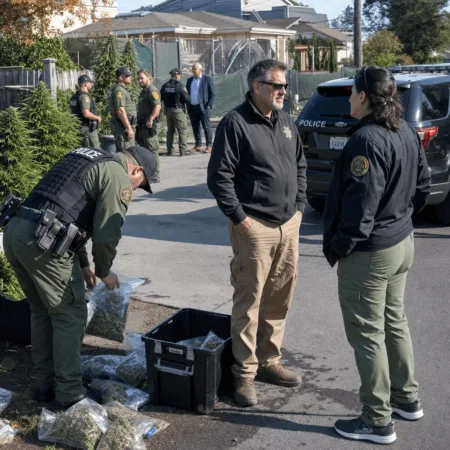
Legalizing marijuana comes with a patchwork of challenges, especially around public safety and road laws. As more states green-light adult use, traffic cops and public officials want reliable ways to separate responsible cannabis users from truly impaired drivers. Traditional urine and blood tests can linger positive for THC days or even weeks after a sesh, which highlights outdated science. Yet, without a proven solution on the books, lawmakers have been caught between consumer freedoms and demands for measurable, fair safety standards. According to the National Highway Traffic Safety Administration (NHTSA), the absence of effective roadside impairment tools has fueled policy gridlock and public confusion, putting both drivers and cannabis culture in the crosshairs. With over two-thirds of Americans now favoring marijuana legalization (see Gallup reports), the need for precision-testing has become as relevant as your go-to strain. Recent police stops and arrests, like those highlighted in suburban searches that reveal hidden marijuana-related risks, add new urgency for balanced safety and rights in the rapidly evolving cannabis market.
Key Developments: 3D-Printed Roadside Marijuana Breathalyzer Breakthrough
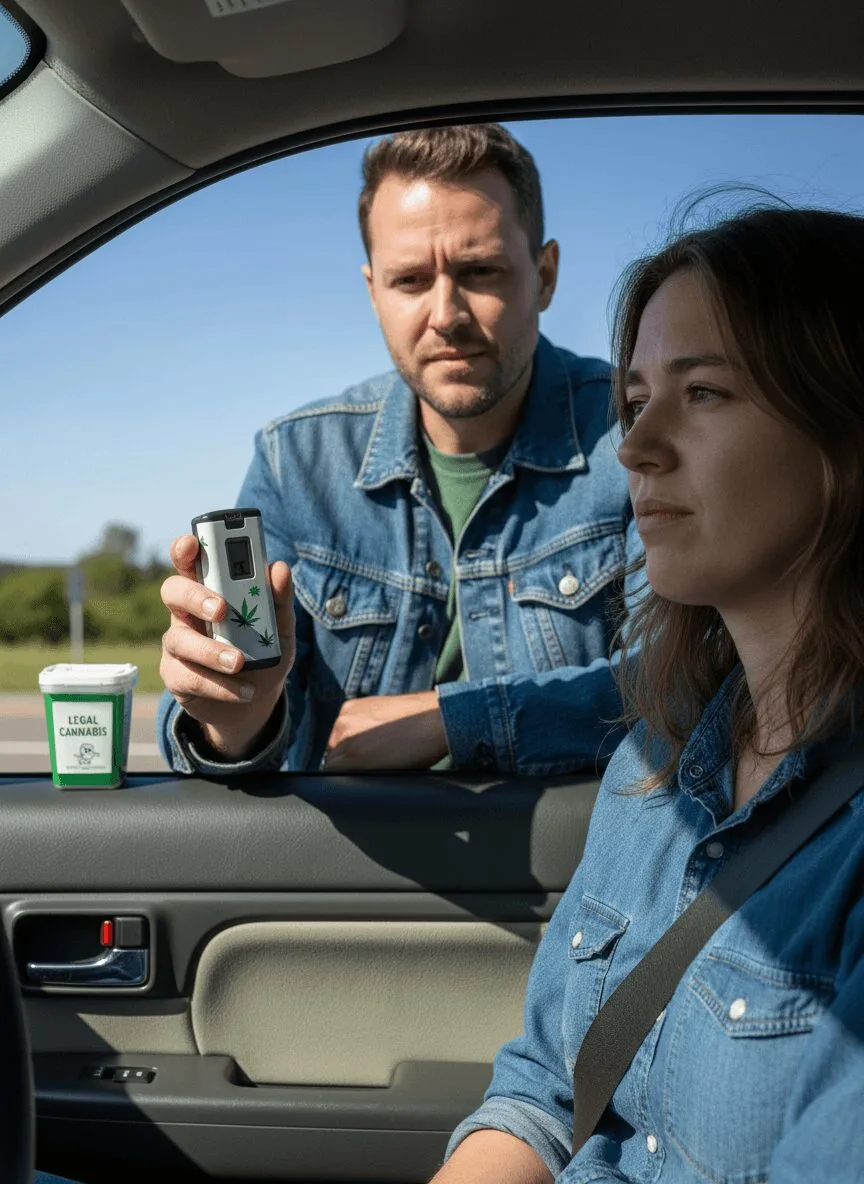
Let’s fire up the specifics. According to a recent study funded by the U.S. federal government, researchers have developed a fast, accurate marijuana breathalyzer breakthrough using next-gen 3D printing. This device detects active THC in a user’s breath within minutes, eliminating the need for invasive blood draws and slow lab results. Designed for roadside use, it’s compact and affordable, two game-changers for both law enforcement and privacy-conscious tokers. The tech’s creators, a university team backed by National Science Foundation grants, say initial tests show the device pinpoints THC in real time, focusing on recent use instead of residual cannabis presence. According to NORML, this device may finally fill the gaping void left by older, less-specific techniques. Legal authorities and cannabis brands see potential as the next standard for highway safety, moving the conversation from guesswork to measurable, moment-specific evidence. These real-world advances echo what’s covered in recent game-changing roadside safety developments that could influence similar regulatory shifts nationwide.
Expert Insights: How the Marijuana Breathalyzer Breakthrough Moves the Culture
The impact of this marijuana breathalyzer breakthrough runs deep. On one hand, it gives law enforcement a fairer, science-driven tool to gauge real impairment, a win for both public safety and consumer rights. Responsible users can be less worried about false positives from last week’s edible, while experts envision broader social benefits. As Cannabis Business Executive contributor and compliance researcher Olivia Thomas puts it: “Real-time THC detection levels the playing field, offering justice and clarity for consumers who fear outdated, biased testing.” Tech innovation always comes with skepticism, but the cannabis industry generally sees a move toward impairment-based enforcement as more just, and less stigmatizing for users. The device’s development also pushes regulators to rethink everything from DUI thresholds to workplace cannabis rights. According to industry watchdog Leafly, credible impairment testing could accelerate safe access programs and destigmatize cannabis, helping align state and federal rules with science, not just outdated stereotypes. Meanwhile, shifting liability and enforcement standards are paralleled by evolving state tax and legal frameworks, like those described in major cannabis tax legal battles affecting cannabis markets.
Looking Ahead: A Fair, Safer Future for Cannabis and Society
The marijuana breathalyzer breakthrough isn’t just about gadgets and protocols—it’s about fair play, public trust, and social progress. As the tech moves from prototype to patrol car, expect heated debates but also genuine optimism. As Pew Research points out, mainstream acceptance of cannabis is growing, and regulations are following suit—especially when armed with better science. Although some bumps in the road are inevitable, this device shows how the cannabis community, policymakers, and innovators can blaze a path toward more informed, balanced public policy. For users, this means safer highways, smarter legal frameworks, and maybe—just maybe—a world where pot use and personal freedom can finally coexist, no guilt trip required.
Originally reported by: marijuanamoment.net
1 Comment
Pingback: Nebraska medical cannabis legislation: Omaha lawmaker withdraws bill