Marijuana Arrest Plymouth Police: Shocking Knox Woman Case
With the cannabis landscape in flux nationwide, every local incident becomes more than a headline—it’s a test case. The recent marijuana arrest by Plymouth Police involving a Knox woman raises major questions for cannabis consumers and advocates. This case doesn’t just matter for one woman; it’s a snapshot of real-world policy ripple effects, changing law enforcement priorities, and evolving community attitudes. If you’re following the marijuana arrest Plymouth Police story, this breakdown will help you see why what just happened in Plymouth is much deeper than a typical traffic stop. We’ll explore the core facts, the latest on legal debates, and what this means for the cannabis industry and everyday people navigating complex regulations.
Legal Landscape: Cannabis Laws and Social Shifts in Indiana
When you hear about a marijuana arrest by Plymouth Police, it’s a real-world example of the patchwork laws defining cannabis in Indiana and around America. Unlike neighbors such as Illinois and Michigan, where both recreational and medical cannabis are legal, Indiana still prohibits all adult-use and medical marijuana. According to NORML’s current Indiana overview, possession of any amount of cannabis is still a misdemeanor, and repeat offenders face even steeper penalties.
This isn’t just a legal issue, it’s a social and cultural tug-of-war. National cannabis acceptance is climbing rapidly, and Pew Research reports that over 59% of Americans support full legalization. But in Indiana, law enforcement has little leeway even as public attitudes shift. In some international examples, major marijuana law changes—such as those recently enacted in South Africa—highlight how rapidly social and legal norms can evolve, yet lawmakers here occasionally float medical marijuana bills and none have made it past committee in 2023 or 2024. This creates real confusion and challenges for consumers and police, especially along border towns such as Plymouth, where legal status changes literally at the stop sign.
Event Recap: The Plymouth Police Marijuana Arrest Case
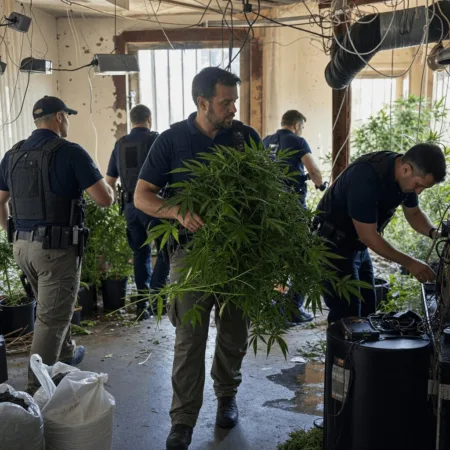
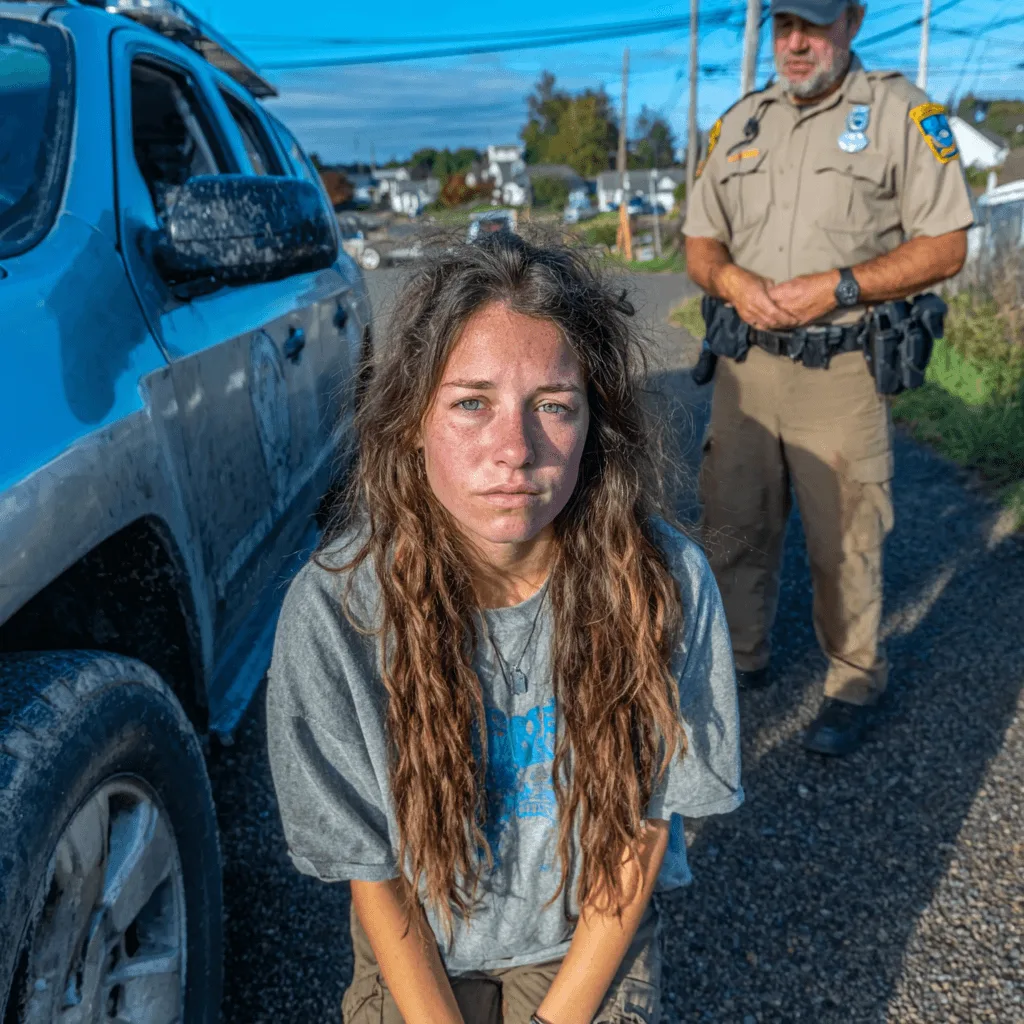
Here’s the rundown for those tracking Plymouth’s latest on-the-ground cannabis news. According to a report from Giant FM and local police bulletins, Plymouth Police arrested a Knox woman in her late 20s during a routine roadside stop. The incident took place in a quiet suburban area, broad daylight, with minimal drama, yet the implications are anything but mundane. Cases like this, where arrests for minor marijuana possession are triggered by additional criminal circumstances, echo similar rural enforcement actions such as the recent drug seizure in Rockbridge County that sparked wider debate over cannabis enforcement policies.
Police identified the driver after she was allegedly operating a vehicle without insurance and had a prior conviction. During the stop, officers discovered a small quantity of marijuana and, as required by current state statutes, charged her with possession. The arrest followed statutory protocol under Indiana Code 35-48-4-11, which states that possession with a prior conviction escalates the violation. The police report notes the suspect showed signs of worry but complied with all officer instructions.
As of the last update, the subject faces misdemeanor charges for marijuana possession and driving uninsured with a prior, putting her at risk for higher fines or possible jail time. The incident is now moving through Marshall County legal channels, and local news coverage underscores the intersection of insurance law, prior convictions, and strict cannabis enforcement for citizens caught in the middle.
Expert Analysis and Pro-Cannabis Counterpoints
Not every marijuana arrest by Plymouth Police is cut-and-dried, despite Indiana’s hardline laws. For context, cannabis use rates and public acceptance are rising across the Midwest, creating friction between modern culture and legacy enforcement. According to Leafly’s 2024 legalization tracker, these kinds of arrests are actually declining in states with reform, but Indiana remains a “holdout” even as neighbors cash in on new tax revenue and reduced police workload.
As attorney and cannabis policy advocate Steve Dillon puts it, “Persistently policing low-level cannabis possession clogs the legal system and distracts from real public safety priorities, in states next door, legalization lets law enforcement focus on actual crime.” (NORML). In situations like this, where a minor marijuana offense carries outsized consequences, the contrast becomes even more apparent when comparing to places where police resources are now spent on pressing community issues, as seen after significant enforcement actions such as the major Brooklyn cannabis seizure that highlighted changes in both public perception and policy priorities.
So, why does this matter? In a world where Indiana’s border towns feel the ‘green wave’ from their neighbors, sticking with zero-tolerance just makes local residents more vulnerable, especially those with minor priors or who can’t afford legal insurance. Progressive advocates argue that police should focus on dangerous crime, not low-level cannabis possession that’s legal minutes away.
Future Outlook: Changing Tides in Cannabis Law and Community Impact
Despite the harsh headlines on marijuana arrest Plymouth Police actions, the bigger picture remains clear—America is evolving on cannabis, and change is coming even to legacy prohibition states like Indiana. While today’s realities are harsh for those caught in legal crosshairs, there’s real momentum from grassroots advocates, shifting public opinion, and rising political interest in meaningful reform.
Market studies by New Frontier Data predict more Midwest states will legalize by 2026, and that public pressure is likely to nudge Indiana lawmakers out of deadlock. If that happens, future police stops will look a lot different: less focus on simple possession, more emphasis on public safety and harm reduction. Until then, it’s vital for all consumers—especially those in non-legal states—to stay vigilant, informed, and proactive about evolving laws. For industry insiders and everyday users alike, each local news story like this is both a reality check and a signpost toward a more rational, compassionate future for cannabis in America.
Originally reported by: giant.fm