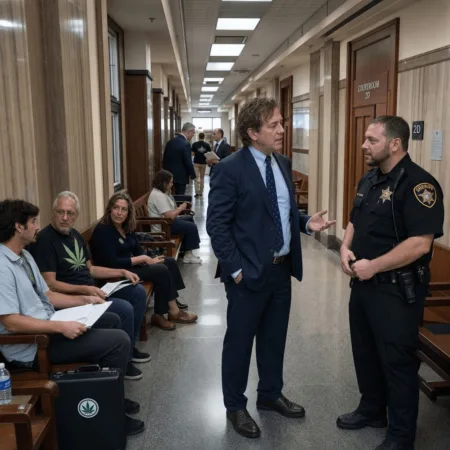
Drug Decriminalization – A Game Changer for Maine
Hey there, fellow cannabis enthusiasts! Today, we’re diving into some exciting news from the beautiful state of Maine. You’ve probably heard whispers about drug decriminalization, but what’s all the buzz about? Let’s break it down in a laid-back yet informative way, so you can stay in the know about the latest cannabis developments.
Understanding LD 1975 – Maine’s Decriminalization Bill
So, picture this: Maine lawmakers recently gathered to discuss LD 1975, a bill that could revolutionize the way the state deals with drug possession. This isn’t just about weed, but a whole spectrum of substances, including Schedule W, X, Y, and Z drugs. The bill, brought to the table by Rep. Lydia Crafts, aims to decriminalize possession and invest in expanding treatment resources.
The Big Change: Decriminalization of Drug Possession
Alright, let’s get into the nitty-gritty. What does “decriminalization” even mean? It’s not a free pass to carry around a pharmacy in your backpack, but it’s a significant shift. The idea is to remove the penalties for possessing small amounts of drugs for personal use. Instead of locking people up, Maine wants to focus on a public health approach.
The Substance Use, Health and Safety Fund
Now, this is where things get interesting. LD 1975 doesn’t stop at decriminalization. It sets up a Substance Use, Health and Safety Fund under the Department of Health and Human Services (HHS). Starting from June 30, 2024, they’ll allocate funds annually to increase access to community care for folks in need of substance use services. That’s a game-changer!
Shifting from Incarceration to Rehabilitation
Rep. Crafts hit the nail on the head when she said that substance use disorder shouldn’t mean incarceration. LD 1975 aims to help people rebuild their lives through evidence-based medical intervention, increased connection, and vital social support. It’s about making a positive change, rather than punishing those who need help.
The Role of Receiving Centers
Imagine having a 24/7 “receiving center” in every county, where people can get acute care before being referred to treatment services. That’s what LD 1975 envisions. It’s not just about saying, “You’re on your own.” It’s about providing support every step of the way, from peer counseling to recovery community centers.
Bipartisan Support for the Bill
Now, here’s something you don’t see every day. Sen. Pinny Beebe-Center, a Democrat, spoke in favor of the bill, highlighting that it would ensure help for anyone in Maine struggling with substance use disorder. It’s not a partisan issue; it’s a public health matter.
Personal Stories That Hit Home
One thing that can’t be ignored is the power of personal stories. People who’ve battled substance use disorders and families who’ve lost loved ones to drug overdoses shared their experiences and voiced their support for LD 1975. It’s a reminder that behind the statistics, there are real people who need help.
A Cautionary Tale
Even a Republican lawmaker, Rep. Lucas Lanigan, threw his support behind the bill. He shared how addiction hit close to home when his son struggled with heroin. It’s a cautionary tale that reminds us that addiction doesn’t discriminate. It can touch anyone’s life, even those in positions of power.
The Path to Enactment
Now, here’s the million-dollar question: Will LD 1975 become law? While Democrats hold sway in Maine’s legislature and the governor’s office, it’s not a guaranteed win. In 2021, a similar drug decriminalization bill passed the House but was rejected by the Senate. Politics can be a tricky game.
The Governor’s Stance
It’s worth noting that Gov. Janet Mills, a Democrat, voiced opposition to a previous drug decriminalization reform. She also opposed a harm reduction proposal last year that would’ve allowed individual municipalities to establish overdose prevention sites. So, while the winds of change are blowing, it’s not a done deal.
The Bottom Line on Drug Decriminalization
In conclusion, folks, LD 1975 has the potential to change the game when it comes to drug decriminalization in Maine. It’s not just about easing up on penalties; it’s about redirecting resources towards helping people in need. Substance use disorder is a complex issue, and it deserves a thoughtful approach.
So, there you have it, the lowdown on Maine’s journey towards drug decriminalization. It’s a topic that affects us all in one way or another. Thanks to Rep. Lydia Crafts for bringing this important issue to the forefront. Let’s keep an eye on Maine and see where this path leads.
Additional Information and Updates
- While LD 1975 is making waves in Maine, it’s essential to stay informed about its progress.
- Keep an eye on the latest developments in drug decriminalization not only in Maine but also in other states.
- Remember that policy changes like these can have a significant impact on communities and individuals.
Q&A: Your Questions Answered
Q1: What does “decriminalization” mean?
A1: Decriminalization means removing criminal penalties for certain offenses. In the context of LD 1975, it refers to removing penalties for possessing small amounts of drugs for personal use.
Q2: How will LD 1975 benefit Maine residents?
A2: LD 1975 aims to benefit Maine residents by shifting the focus from incarceration to rehabilitation. It establishes a Substance Use, Health and Safety Fund to increase access to community care for individuals in need of substance use services.
Q3: Is LD 1975 a bipartisan effort?
A3: Yes, LD 1975 has received support from both Democrats and Republicans. It’s seen as a public health issue rather than a partisan one.
Q4: What are the chances of LD 1975 becoming law?
A4: The chances are uncertain. While Democrats have control, previous similar bills have faced challenges. The outcome will depend on various factors, including political dynamics.
Q5: How can I stay informed about LD 1975’s progress?
A5: You can stay informed by following news updates, checking the Maine legislature’s website, and staying engaged with local advocacy groups.
Remember, stay informed, stay safe, and stay chill, my fellow cannabis enthusiasts!
[Author’s Note: Thanks to Kyle Jaeger for reporting on this story.]