





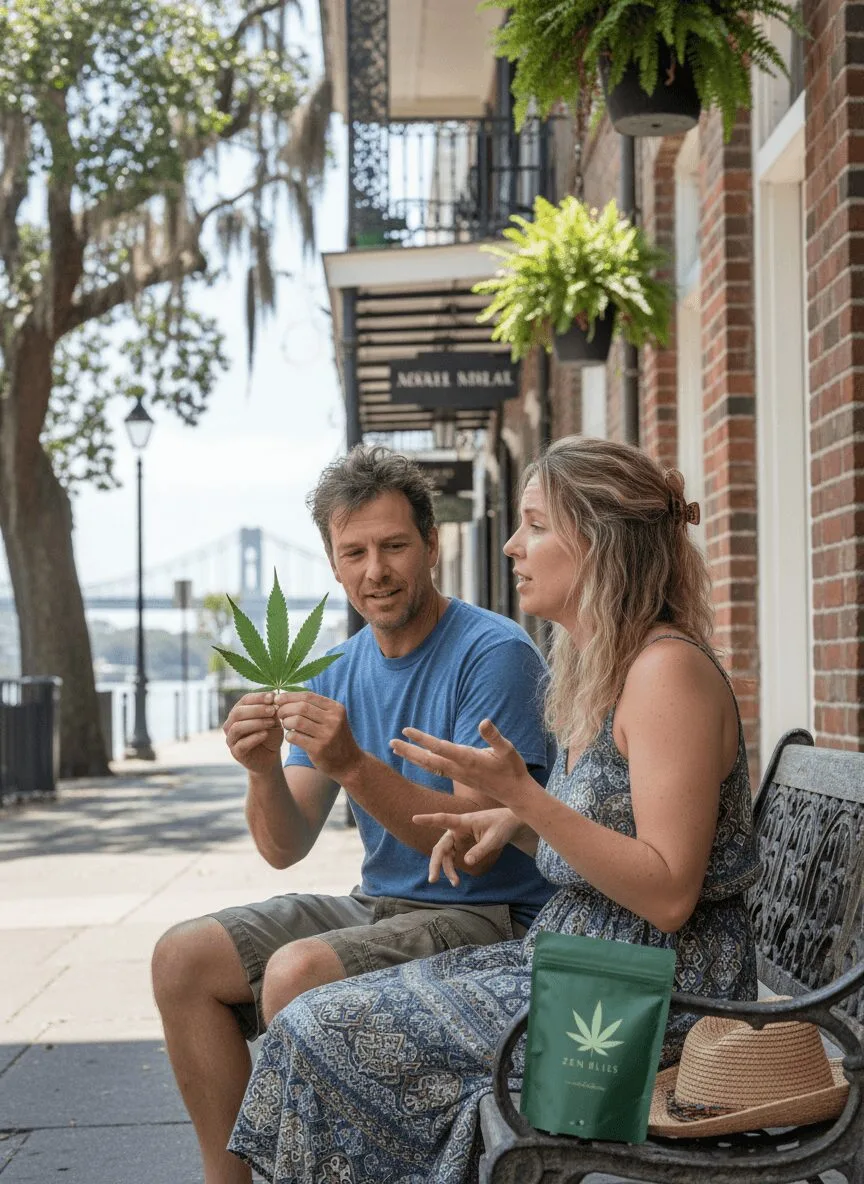
The conversation around Louisiana cannabis legalization is heating up. From statehouse debates to street-level conversations in New Orleans, folks are asking: is Louisiana joining the green revolution for real—or are we still stuck in the mud? With national trends pushing for progressive change, more Southern states are watching illicit markets grow even as legal debates continue. In this article, we’ll cut through the smoke to break down recent news, highlight hot topics, and explain what’s really going on in the Pelican State cannabis scene.
The Cultural and Legal Landscape: Louisiana Cannabis Legalization’s Unique Road
Louisiana’s journey toward cannabis reform is as complex as a bowl of gumbo, historically layered and fiercely local. While states like Colorado and California rolled out adult-use programs during the last decade, Louisiana dragged its feet, mainly focusing on restricted medical access. According to Marijuana Policy Project, medical cannabis was only made modestly available in 2019, and only via pharmacy sales. Lawmakers have cited persistent concerns: public safety, stigma, and the unique patchwork of parish (county) laws. Meanwhile, the Louisiana House Criminal Justice Committee continues to wrestle with bills that could shift the landscape further. In recent years, hemp-derived THC products legally skirted regulations, increasing confusion for consumers and prompting renewed legislative attention. As national sentiment shifts, fueled by reports like Pew Research Center’s finding that 88% of Americans favor some form of legalization, Louisiana’s blend of caution and slow progress stands out in the South. For a deeper look at these local conversations and how change might unfold, check out this discussion of Louisiana cannabis legalization and the unique challenges faced in the Bayou State.
Recent News: Public Health, Legal Fights, and Grassroots Voices
The Louisiana cannabis legalization landscape just saw another sharp debate, sparked by renewed focus on public health concerns. In a recent opinion letter to NOLA.com, local physicians warned of pulmonary risks tied to cannabis smoking, urging legislators to slow down on any expansion of access. They referenced upticks in youth usage and lingering questions about long-term risks. These concerns aren’t new but come at a time when cannabis advocacy groups are doubling down on the positive impacts of regulation and education. Meanwhile, the green market in Louisiana remains filled with legal gray areas. Multiple law enforcement agencies, according to WAFB News, are struggling to distinguish between state-legal hemp products and illicit marijuana, creating chaos for both consumers and cops. Last year, House Bill 524 fell short in committee by narrow margins, revealing deep divides even among lawmakers. The largest players in Louisiana’s medical market, like Wellcana and Good Day Farm, continue expanding patient education while keeping lobbying efforts focused on market stability and safe access. In short, public health, enforcement headaches, and opinion wars are all at play and the push-pull over Louisiana cannabis legalization is relentless in the current news cycle. For perspective on recent legal fights, including how Ohio’s referendum shifted cannabis laws, see this analysis of significant referendum outcomes in other states.
Expert Insights: Real-World Impacts and Lessons from Other States
Let’s dig deeper: the ongoing clash in Louisiana isn’t unique, it echoes what we’ve seen in states everywhere. According to NORML’s Deputy Director Paul Armentano, “Prohibition creates more public health and safety problems than it solves. Evidence from other states with legalization shows reduced opioid deaths, increased tax revenue, and minimal negative impact on youth use rates.” Source: NORML. Multiple studies, including findings published by the JAMA Network Open, have documented lower opioid prescription rates in states that have legalized cannabis. On the flip side, some Louisiana physicians and law enforcement officers worry about increased access for minors and potential misuse. The reality? Most data suggest that sensible, regulated legalization paired with solid public education reduces unintended harm. As industry advocates often say, “Good policy is the difference between chaos and clarity.” For both residents and policymakers engaged in the Louisiana cannabis legalization debate, the lesson is clear: don’t get caught up in old war stories, look at real data and transition toward balanced regulation. Recent developments in Virginia and their recreational marijuana bill demonstrate parallel debates in neighboring states—see how the 2027 launch in Virginia is sparking major discussions about regulation models across the South.
The Road Ahead: High Hopes for Louisiana Cannabis Legalization
So, where are we headed? With private citizens, local business owners, and lawmakers passionately invested in the outcome, Louisiana finds itself at a turning point on cannabis reform. While opponents raise reasonable concerns about youth safety and respiratory health, advocates continue to chip away at stigma with education and real-life evidence. Through all the back-and-forth, one thing stays clear: Louisiana cannabis legalization isn’t just a legal technicality. It’s a movement full of hope for new jobs, fairer justice, and medical relief for countless residents. As tiebreaking votes and new bills keep coming, regulators can turn to robust industry models from states like Oregon and Michigan—where smart policy has fostered both innovation and responsibility (Leafly’s 2024 Cannabis Jobs Report). With continued advocacy, honest conversations, and a commitment to public health, Louisiana’s cannabis future could be brighter—and greener—than ever.
Originally reported by: nola.com



1 Comment
Pingback: Michigan marijuana wholesale tax: How it impacts your business