


Locally Made THC Drinks: Which One Should You Try?
The rise of locally made THC drinks is lighting up the beverage scene right now. With new flavors, fresh brands, and changing laws, these cannabis-infused beverages are capturing attention everywhere. Whether you’re a longtime enthusiast or just curious, the growing selection of locally made THC drinks offers exciting new ways to experience cannabis culture. This article dives into what’s driving this trend, key legal issues shaping the market, and which options stand out in the current landscape.
The Regulatory, Social, and Market Forces Behind Locally Made THC Drinks
The arrival of locally made THC drinks is no accident, it’s a result of evolving cannabis laws, shifting public opinion, and major market demand. Since the 2018 Farm Bill federally legalized hemp-derived cannabinoids, states have adjusted regulations to allow low-THC beverages that comply with local limits [Cornell Law]. The discussion around federal marijuana labeling standards is also highly relevant to the evolution of these products, shaping compliance requirements in both established and emerging markets [Federal Labeling Standards]. As a result, small breweries, craft beverage makers, and cannabis entrepreneurs are entering this evolving space with creative products.
Public acceptance of THC products is at an all-time high, reflected in the popularity of dispensaries and social consumption lounges. According to a recent Pew Research Center survey, nearly 90% of Americans support legalization for recreational and/or medicinal use. This social shift, combined with regulatory flexibility, allows for innovative beverages created with community roots and a local touch.
Key Developments & Issues: The Players, Controversies, and Hits
Locally made THC drinks aren’t just buzzworthy, they’re a hotbed of experimentation and debate. In New Orleans, a recent poll in Gambit asked residents to weigh their favorite locally made THC beverages. Brands like Crescent Canna, Plume Alchemy, and El Hempe are at the forefront, developing hemp-derived seltzers and tonics with unique local flavors.
Legal complexity remains a challenge. Louisiana law currently permits sales of drinks containing up to 8 mg of THC per serving from hemp, provided they carry clear labeling and warnings [Louisiana Legislature]. Retailers must follow strict age verification processes. Enforcement and clarity are still evolving, leading to some controversy as regulators and entrepreneurs adjust to new rules, similar to local enforcement events such as the substantial cannabis busts documented in other states [Major Cannabis Bust].
The local community has embraced these offerings. Recent market data from Brightfield Group show regional sales of hemp-THC drinks climbing rapidly, outpacing even craft beer in some areas. Discussions of local licensing and retail rules, such as those shaping dispensary decisions in communities like Citrus County, highlight the importance of community voices in guiding the future of the market [Community Decisions]. The poll highlights strong consumer interest, with fans praising both the taste and the mellow, approachable effects as reasons why THC drinks stand apart from traditional edibles or smokables.
Expert Analysis & Insights: Trends, Opportunities, and Responsible Debate
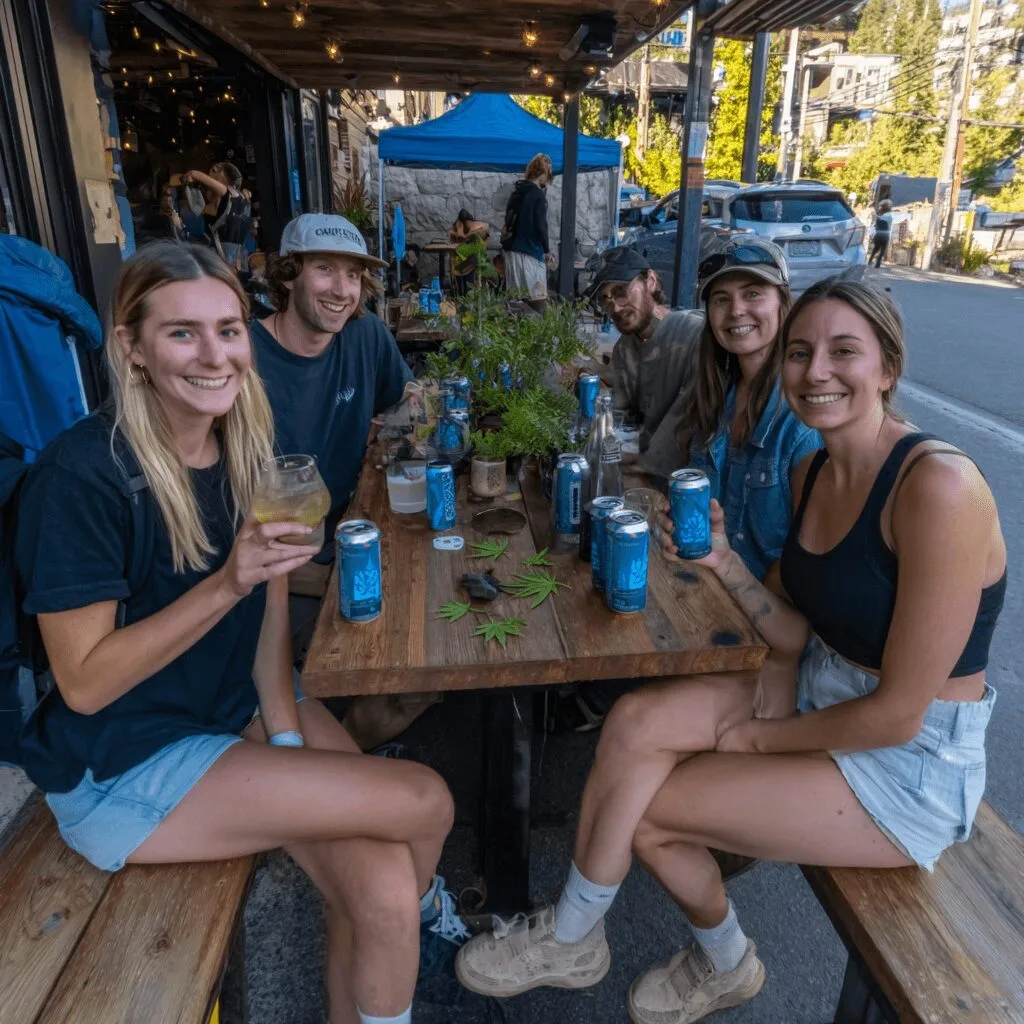
Why are locally made THC drinks seeing this explosion of interest? Industry leaders point to the social aspect, noting these beverages fit naturally into gatherings, parties, and meals, places where people want to relax without alcohol’s aftereffects. According to Leafly’s 2023 beverage analysis [Leafly], consumers appreciate the discreet, measured dosing and the locally sourced style that ties them closely to their communities. The concept of advancing cannabis brands through design, including responsible production and innovative packaging, is also a growing trend in the beverage sector [Packaging Innovations].
Industry analyst Jamie Evans explains, “Drinks bring cannabis into settings where smoking isn’t permitted, and local brands add that regional flavor people crave.” [Forbes, Jamie Evans].
Of course, responsible production and transparent testing remain crucial. Local producers who embrace third-party lab verification, responsible marketing, and clear ingredient lists are gaining trust and setting quality benchmarks for an evolving industry. As regulations tighten, “brands that stay ahead of compliance will be the ones that last,” says Evans, backed by further reporting from MJBizDaily. As more data emerge regarding the impact of cannabis on various aspects of well-being, studies are revealing both positive and surprising effects, including some lesser-known influences such as interactions with oral health [Cannabis and Oral Health].
Looking Forward: The Future of Locally Made THC Drinks
The future looks bright for locally made THC drinks. As regulations mature and acceptance spreads, these beverages are poised to define a new era of cannabis culture—combining social ease, safety, and strong local identity. According to the National Conference of State Legislatures, more states continue to review and expand their beverage-friendly cannabis laws every year.
As more consumers seek alternatives to alcohol and traditional edibles, locally made THC drinks will only grow in popularity. The buzz around these homegrown creations is changing minds, driving market innovation, and helping reshape cannabis norms for the better. Cheers to savoring what’s next—one can at a time.
Originally reported by: nola.com