





Local Cannabis Legalization Belize: Will Democracy Win?
Cannabis legalization is making waves across the globe, and Belize is no exception. Right now, the debate about local cannabis legalization Belize is heating up, thanks to grassroots movements and historic referendums. With increasing momentum from both locals and international observers, the conversation isn’t just about recreational use — it’s a reflection of expanding democracy, local empowerment, and evolving attitudes. This article breaks down why local cannabis legalization Belize is on everyone’s radar and what recent developments in places like Caye Caulker might mean for the country’s future.
The Regulatory Background: Cannabis Law and Social Dynamics in Belize
Understanding local cannabis legalization Belize starts with the country’s complex relationship with cannabis. For decades, cannabis use in Belize was criminalized under the Misuse of Drugs Act. However, in 2017, Belize took a bold step by partially decriminalizing possession of up to 10 grams, a nod to the region’s pragmatic and culturally tolerant approach. Despite this shift, growing and distributing cannabis remain illegal, illustrating the tensions between evolving public views and existing national laws. Socioculturally, Belize is unique, the Caribbean and Central American influence, combined with a vibrant tradition of local autonomy, has fueled lively debates. According to Cannabis Law Report, the push for local cannabis legalization Belize builds on a broader trend of regional reform, reflecting both economic necessity and shifting public perceptions. Recent polls in Belize indicate broadening support, especially among younger voters and those in tourist-heavy locales. For example, regulatory conversations about advertising and business impacts, similar to those seen in Vermont’s dispensary advertising regulations, show how local developments can mirror wider international trends. But the legal status remains in flux, with communities like Caye Caulker eager to set precedents.
Key Developments: The Caye Caulker Cannabis Referendum Shakes the Conversation
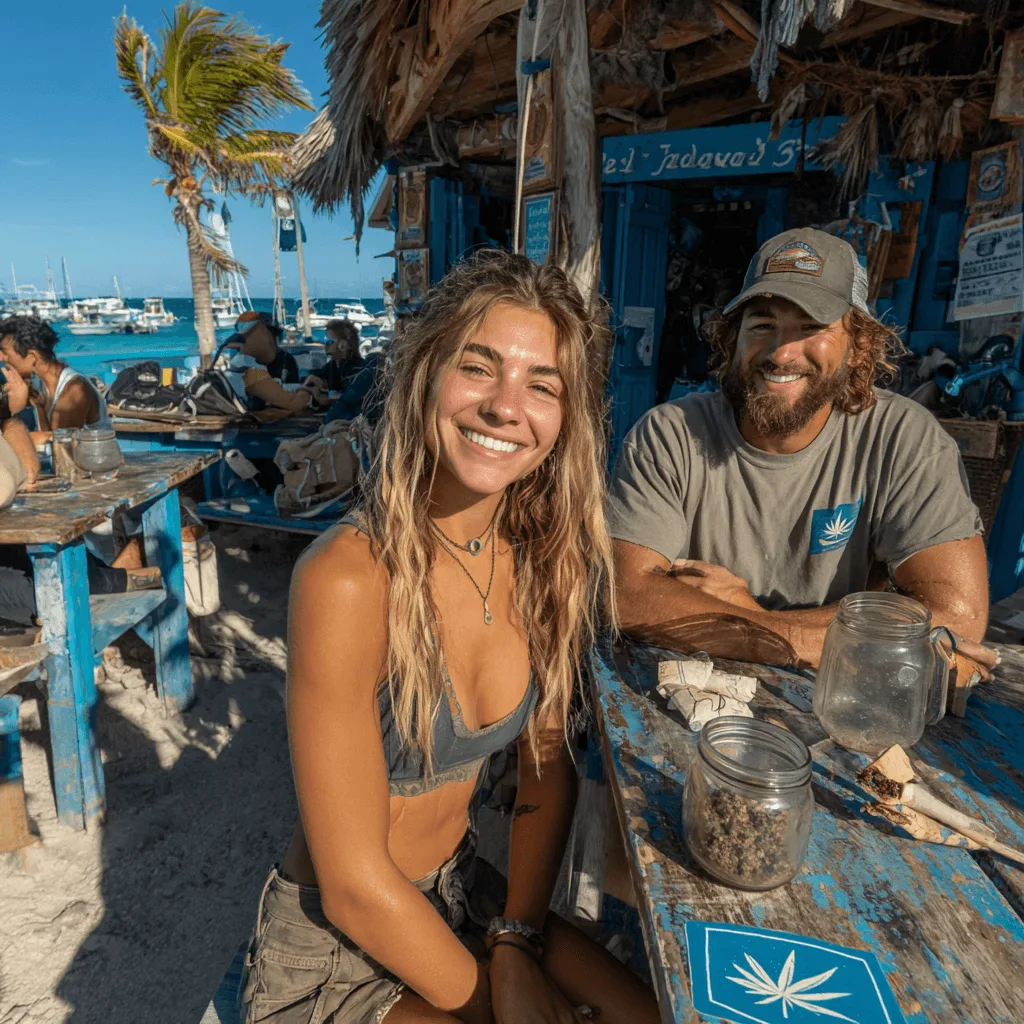
The heart of recent events around local cannabis legalization Belize lies in Caye Caulker, a laid-back island famed for free-spirited energy and grass-roots activism. In March 2024, island residents moved to hold a referendum about whether their community should permit and regulate local cannabis sales, sparking national and international conversations. According to Canna Law Blog, the effort wasn’t just symbolic, it was a direct response to the gridlock in national parliament, which had stalled broader legalization legislation in late 2023.
- On March 15, 2024, Caye Caulker’s village council officially scheduled a community-wide vote on regulated cannabis commerce, an historic first for Belize.
- Nationally, the Belizean parliament had previously paused cannabis legalization bills due to vocal opposition from religious and political groups.
- The Caye Caulker initiative was backed by local business owners, tourism operators, and civil society groups who argued for economic revitalization and public health oversight—debates that also reflect broader questions of regulation and enforcement, as seen in high-profile law enforcement activities like the Oklahoma marijuana busts.
- News spread quickly, with sources such as Marijuana Moment confirming strong participation and spirited debate during and after the March vote.
This episode has put local cannabis legalization Belize on the national agenda, raising hard questions about the right of localities to self-govern on issues where the central government has stalled.
Expert Analysis & Pro-Cannabis Perspective: What This Means for Belize and Beyond
So, what’s the big deal about local cannabis legalization Belize on a sleepy island? Let’s break it down. Local referendums like the one in Caye Caulker spotlight bottom-up democracy, a powerful antidote to top-down inertia. Industry experts believe that letting communities chart their cannabis path could lead to more responsive, responsible governance and economic gains. According to Dr. Ethan Nadelmann, founder of the Drug Policy Alliance, “Local initiatives often lead the way where national politics get stuck.” (Drug Policy Alliance).
From a market perspective, localized legalization can lure ethical investment, boost tourism, and create good-paying jobs, yet challenges remain, including concerns over patchwork enforcement or societal pushback, similar to the delays faced in Nebraska’s medical cannabis rollout. The conversation spills across borders, look at what’s unfolding in Mexico and California.
Still, the energy in Belize isn’t just about the green rush. For many, it’s about dignity, autonomy, and safer access. As described in Leafly’s international coverage, the local cannabis legalization Belize movement has energized residents to see democracy in action, blending traditional values with global reform ideas. This is how lasting, meaningful change happens, one village, one vote, one rolled joint at a time.
Looking Ahead: Local Innovation, National Impact, and a Green Future
No matter how the Caye Caulker vote ultimately shakes out, the movement for local cannabis legalization Belize has already shifted the landscape. Forward-thinking communities are carving their own path, inspiring a fresh national conversation about what progress — and democracy — look like. Regulatory experts at Cannabis Business Times note strong potential for pragmatic legislation that supports public health, local economies, and individual choice. With continued advocacy and grassroots engagement, Belize may soon join the ranks of nations where responsible cannabis use is recognized, regulated, and celebrated. Local energy could catalyze national evolution. As attitudes warm and facts replace fear, Belize stands at the edge of something transformative — for its democracy and its people.
Originally reported by: harris-sliwoski.com



1 Comment
Pingback: Texas Medical Cannabis: Premium Quality by Texans, for Texans