





Livermore Falls cannabis fees: What You Need to Know Now
The discussion around Livermore Falls cannabis fees isn’t just another sleepy town meeting topic—it’s a critical turning point in how Maine’s smaller communities balance economic opportunity with local concerns. As cannabis reforms sweep the nation, towns like Livermore Falls are suddenly at the center of decisions that will impact local businesses, tax revenues, and Mainers’ rights. Today, we break down why Livermore Falls cannabis fees are on everyone’s radar, what’s really at stake for entrepreneurs and residents, and where the conversation is headed. Here’s your expert’s guide to one of Maine’s most-watched cannabis debates.
The Regulatory Roots: Cannabis Compliance and Local Power
To understand the Livermore Falls cannabis fees debate, you need to know a bit about Maine’s regulatory landscape. After voters legalized recreational cannabis in 2016, the state left a lot of the implementation to local governments (Maine.gov: Office of Cannabis Policy). Towns got to set licensing requirements, including fees, inspections, and zoning limits. Advocates argue this gives communities economic self-determination, while critics warn it risks creating costly barriers for would-be operators. From Leafly’s latest policy round-ups to state-agency releases, the trend is clear: local cannabis fees can either spur or stifle the industry, affecting job growth, tax income, and safe access. Meanwhile, small towns face classic conflicts, balancing revenue needs, neighbor concerns, and compliance goals without sidelining smaller, home-grown businesses. In places facing new debates, changes such as those seen with how US marijuana legalization impacts everyday life show just how swiftly local rules can reshape the industry.
The Debate on the Table: What’s Happening in Livermore Falls?
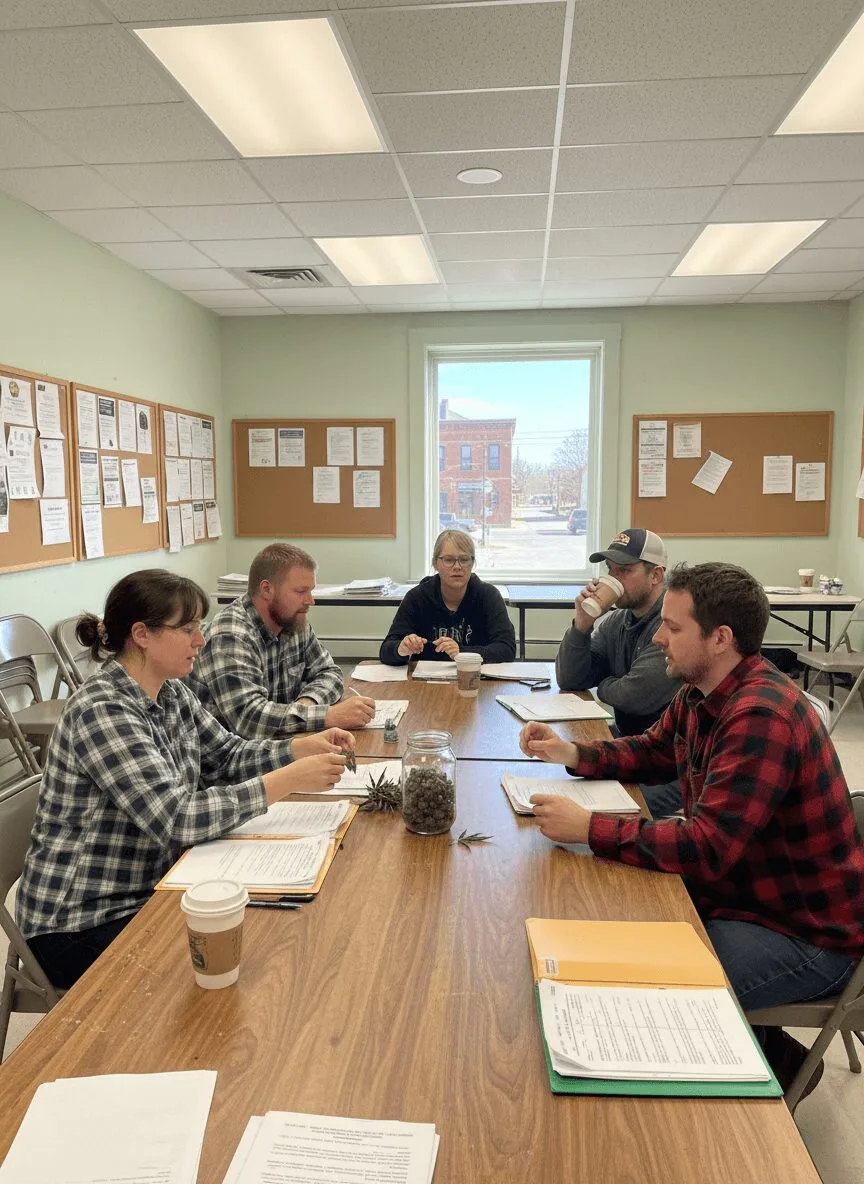
Let’s get blunt, this isn’t just a routine licensing update. The Livermore Falls Select Board is actively debating whether, and how much, to raise local cannabis licensing fees. According to Sun Journal’s coverage, their May 8, 2026 meeting brought together business owners, advocates, and cautious citizens, all with strong opinions. Right now, the board is considering proposals that would increase the annual license fee for cannabis businesses up to $2,500, compared to current rates that are considerably lower for other business categories.
Officials and locals voiced everything from worries about deterring investment to hopes for increased town revenue that might fund roads, schools, and emergency services. One complicating factor: a few residents say the proposed Livermore Falls cannabis fees seem out of step with neighboring towns, putting local operators at a competitive disadvantage. Meanwhile, some Select Board members argue it’s about covering municipal costs—inspections, staff time, and community education—all rising as more businesses get licensed. While towns like Turlock have defined their own approach to cannabis development agreements, Livermore Falls now faces a similar decision point, weighing economic growth against compliance and community concern.
As the debate heats up, the board has called for feedback from the business community and put fee adjustments on a tentative vote agenda for June 2026. In the thick of it are operators like Green Pines, pushing for fairer, consistent policy, and legacy patients worried about trickle-down effects on product prices. The details may seem local, but the issues reflect a much larger conversation about whether small towns can get cannabis regulation ‘just right.’
Beyond the Headlines: Expert Take & Broader Trends
This Livermore Falls cannabis fees debate is more than small-town drama, it’s a case study in how evolving regulation shapes the industry’s future. Experienced operators know that excessive municipal fees can drive out small businesses, consolidating the market and depriving consumers of choice (Leafly Industry Report). But it’s more than just financials: towns must manage challenges like odors, safety, and compliance without strangling innovation or increasing legal risks for operators.
According to Amanda Reiman, a policy expert quoted in Marijuana Moment, “Thoughtful fee structures can actually strengthen local economies and increase access if designed with equity in mind.” That means setting Livermore Falls cannabis fees at levels that reflect actual administrative costs, not arbitrary hurdles. As seen in recent black market scandals revealed by marijuana grow busts, fair and transparent policies are critical to preventing unregulated markets. All eyes now turn to whether Livermore Falls will set an example that works for every stakeholder, from the local grower to the everyday patient. Industry insiders believe agile, realistic policies win, especially when crafted with input from business, town staff, and consumer advocates alike.
What’s Next? Community, Cannabis, and Forward Momentum
Bottom line: the Livermore Falls cannabis fees debate signals that Maine’s cannabis journey is just getting started. As local governments tweak regulations, they’re also shaping economic opportunity, access, and public safety for years to come. A thoughtful approach to fees can strike the right balance, allowing local business to thrive while ensuring towns have the resources they need to regulate effectively. According to a recent industry equity report, communities that foster open dialogue between regulators and the cannabis industry see stronger outcomes, fewer illicit sales, and more sustainable local economies. That’s the challenge and the opportunity facing Livermore Falls right now. If town leaders and neighbors can work together, they just might set an example for the rest of Maine—and the national industry—on how to do cannabis right.
Originally reported by: sunjournal.com



1 Comment
Pingback: Nevada City cannabis tax: Big changes & cuts on the table