Laredo shooting death sentence: Shocking Case Details Inside
The Laredo shooting death sentence has become a headline that’s difficult to ignore, bringing national attention to serious conversations around justice, violence, and substance choices in the border city of Laredo. With cannabis culture now intersecting with so many parts of modern society—including the context of this shocking case—it’s more important than ever to break down what’s really happening, why it matters, and what it means for both the justice system and the cannabis community. Let’s dive into the gritty reality, challenge some perceptions, and get a clear-eyed look at a saga that’s making waves right now.
Background & Context: Laredo’s Legal Landscape and Social Realities
Laredo, Texas, isn’t just a place where border culture buzzes, it’s also been a flashpoint for major regulatory debates, particularly when it comes to violence and substance use. The city’s judicial system faces unique pressures, balancing a legacy of tough sentencing with the evolving landscape of drug laws and widespread cannabis reform nationwide. While Texas remains one of the strictest states regarding cannabis, national advocacy groups like NORML keep the conversation going for progressive change. Meanwhile, stories about tragic shootings, such as the case at the heart of the Laredo shooting death sentence, force locals and lawmakers to reconcile personal liberty with public safety. At the same time, innovators across the cannabis sector look for positive rural impact by merging renewable resources with new agricultural approaches, as seen in projects like the solar-powered cannabis fields championing greener futures.
Key Developments & Issues: Details of the Laredo Shooting Death Sentence
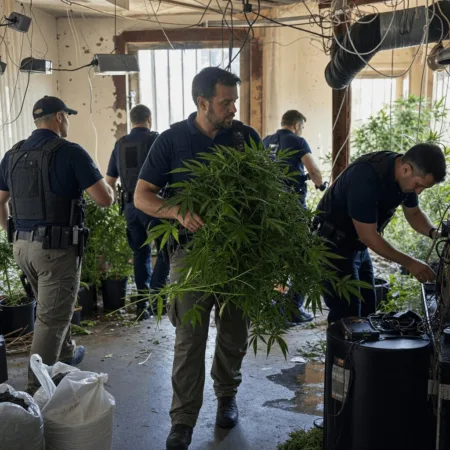
According to details reported by LMTOnline, the tragic incident leading to the Laredo shooting death sentence unfolded when Luis Ramirez, in an act that shocked the local community, fatally shot his girlfriend in an apparent fit of rage. Court records revealed the shooting took place inside a cluttered home, reflecting scenes not uncommon in many working-class Laredo neighborhoods—a reminder of broader issues highlighted by the East Memphis case where a drug-related search uncovered a similarly chaotic setting. Key moments noted include forensic evidence, statements from neighbors, and legal analysis pointing to a clear, deliberate action by Ramirez. The case advanced quickly through the courts, resulting in a high-profile trial that emphasized the severest penalty—death. This rare outcome, even in tough-on-crime Texas courts, matched the shocking nature of the crime and the community’s strong desire for justice. Legal summaries confirm that the judge cited clear aggravating factors and overwhelming evidence, allowing little consideration for mitigating circumstances. The sentencing hearings featured heated arguments about motive, defendant’s state of mind, and the broader climate of criminal activity—though it was clarified that cannabis use was not directly involved in the fatal decision.
Expert Analysis & Insights: Cannabis, Crime, and Community Perception
It’s easy to let emotion sway our understanding of the Laredo shooting death sentence, but seasoned professionals recognize that policy, stigma, and actual effects often diverge. For starters, decades of academic research and reports from organizations like the Drug Policy Alliance indicate that cannabis use does not have a causal relationship with violent crime. Yet, in counties that embrace tougher sentencing and maintain conservative perspectives, cannabis is frequently conflated with broader societal issues. “There’s a persistent myth that cannabis is somehow to blame for broader social ills,” notes Ethan Nadelmann, founder of the Drug Policy Alliance. “But the science just doesn’t back that up, and ignoring the facts only perpetuates injustice.”
Industry professionals often stress the need for responsible public education and open community dialogue. As cases like the Laredo shooting death sentence challenge how justice and fairness are perceived, the demand for reform grows. Conversations in the cannabis world—exploring everything from crime policy to social branding—are shifting rapidly, thanks to thought leaders promoting innovative visions for the industry, such as Kim Rivers, whose transformative outlook is impacting the future of cannabis. When violence and substance use are linked in public debate, it’s crucial to remember that responsible adult users and patients continue to play a beneficial role in their communities.
Future Outlook & Conclusion: Progress, Perspective, and Compassion in Laredo
The ongoing discussion around the Laredo shooting death sentence highlights how much work remains to be done—not only to ensure justice for victims but to right-size our legal responses to violence, substance use, and social change. Fortunately, authoritative voices like Leafly and seasoned policymakers continue to push for fairer regulatory frameworks, smarter law enforcement priorities, and genuine harm reduction. While the verdict in this case is a sobering reminder of what can go wrong, the broader trend in Texas and beyond is toward rational cannabis policy reform, increased education, and deeper understanding of root causes—not just symptoms. Here’s hoping Laredo, and communities across America, keep moving toward a future where compassion, evidence, and common sense prevail.
Originally reported by: lmtonline.com