Kentucky medical marijuana cardholders: What’s next for access?
The cannabis scene in Kentucky is buzzing with anticipation, especially after a series of legislative changes and public debates throughout 2024. For Kentucky medical marijuana cardholders, the entire community stands on the edge of a new era—where access, regulation, and real-world impact are being rewritten. Patients are wondering what comes next: Will dispensaries finally open their doors? Is legal protection solidified? And most importantly, when will everyday folks holding Kentucky medical marijuana cards feel the shift? Let’s dive into why this matters deeply for patients, advocates, and forward-thinking Kentuckians alike.
How Kentucky Got Here: Legal and Social Background
Kentucky’s journey to legal medical cannabis is as winding as a Bluegrass back road. The state has long sat on the fence, even as neighbors like Ohio and Illinois embraced medical, and even adult-use, programs (Illinois government). Discourse around surrounding states’ evolving cannabis laws has intensified, especially as regulatory changes in Ohio have drawn the attention of Kentucky medical marijuana cardholders, highlighting how the new Ohio cannabis hemp legislation impacts bordering residents. For years, advocates faced strong resistance, shaped by conservative roots, concerns from law enforcement, and patchwork laws. It wasn’t until late 2023, when Governor Beshear signed off on Senate Bill 47 and confirmed regulatory plans, that Kentucky medical marijuana cardholders saw real hope (Office of the Governor). Lawmakers finally recognized the pressing needs of thousands seeking relief for chronic pain, epilepsy, PTSD, and other qualifying conditions. Still, even with state approval, access remained largely theoretical as infrastructure, dispensary licensing, and law enforcement training lagged behind. Social attitudes have gradually thawed, too, with polls by Gallup revealing strong majorities in favor of both medical and recreational reforms. But while the paperwork may be done, the pathway to everyday access is anything but clear-cut for Kentucky medical marijuana cardholders.
The Latest Developments: Cards in Hand, Doors Still Closed
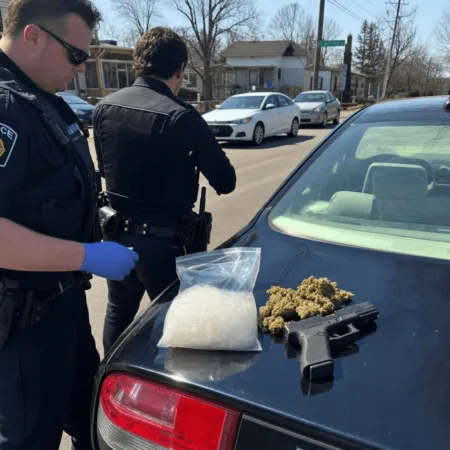
So what’s the latest scoop for Kentucky medical marijuana cardholders? As of October 2024, the Kentucky Office of Medical Cannabis is officially issuing patient cards, a crucial first step. Yet, in a twist straight out of a southern gothic tale, actual dispensaries remain shuttered (Courier Journal). The law says cardholders are protected from prosecution if caught with state-approved cannabis, but there’s one big hitch: there’s still nowhere legal in Kentucky to actually buy regulated product. For most Kentucky medical marijuana cardholders, the current situation resembles what communities faced when perceptions and policies around narcotics shifted dramatically, leading to unexpected challenges in local enforcement and public trust, as was evident in other states’ high-profile cases such as the Muncie narcotics conviction. Most cardholders, according to the Kentucky Department for Public Health, must either travel out of state (risking federal issues) or rely on a grey market (KY Public Health). Meanwhile, the state is caught in a bureaucratic tug-of-war over local zoning, background checks for would-be dispensary owners, and supply chain set-up. The first round of dispensary licenses is expected to be finalized in early 2025, meaning this limbo phase could last a while longer. The Kentucky Board of Pharmacy and physicians’ groups have also raised concerns about education and safety, showing that growth is happening, but there are still guardrails being attached.
Expert Insights: Cautious Optimism and Lessons from Other States
What does this all mean for Kentucky medical marijuana cardholders? From my standpoint, and echoed by leaders in the cannabis policy space, Kentucky’s slow, methodical rollout is a mixed blessing. On one hand, strict vetting and local oversight may create a safer, more accountable program. On the other, it risks frustrating those who need relief now. As NORML’s deputy director Paul Armentano told NORML: “States transitioning to medical marijuana programs have to balance caution with compassion. Kentucky’s challenge will be ensuring its patients aren’t left in the lurch.” Particularly for Kentucky medical marijuana cardholders, the experience brings to mind the early days in Pennsylvania and Florida (Marijuana Policy Project). Insights from other regions—like Cathedral City, where cannabis-related fines and neighborhood concerns forced nuanced solutions addressing community impacts—may become increasingly relevant if Kentucky faces local resistance or regulatory scrutiny (how Cathedral City handled cannabis odor fines). The industry as a whole is watching closely, noting the pitfalls Illinois avoided by fast-tracking dispensary applications (City of Chicago). Kentucky’s deliberate approach could mean fewer mistakes, but risks losing public support if progress stalls. Long-term, integration into the broader US medical cannabis market remains plausible, though patchwork state laws still hamper out-of-state reciprocity for Kentucky medical marijuana cardholders.
The Road Ahead: Hope, Grit, and a Greener Tomorrow
Despite the current hang-ups, there’s every reason for Kentucky medical marijuana cardholders to feel hopeful. Patient advocates are pushing for emergency access programs and streamlined regulations. Lawmakers are hinting at fast-tracked license approvals in 2025. Compassionate use, social acceptance, and responsible access are more mainstream than ever, as documented by Leafly and other industry leaders. As Kentucky’s cautious rollout turns to real-world access, the state could emerge as a model for balance—where regulation, safety, and patient needs find common ground. For those with cards in hand, the message is clear: Stay patient, stay vocal, and keep your eyes on the official channels. The bluegrass is only getting greener, and Kentucky medical marijuana cardholders are at the heart of what comes next.
Originally reported by: courier-journal.com