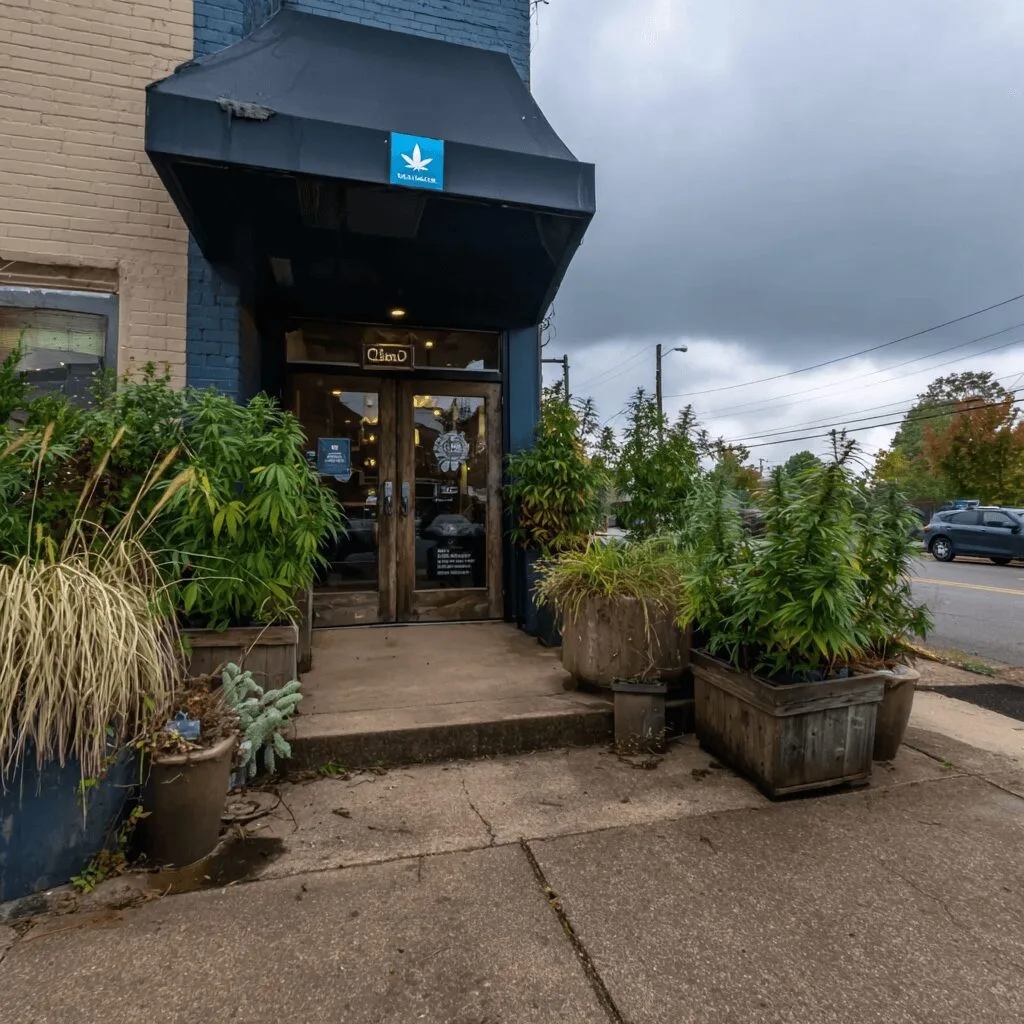
Kentucky medical cannabis dispensary closure: What you must know
The Kentucky medical cannabis dispensary closure is a hot topic right now, especially for patients, entrepreneurs, and advocates watching the Bluegrass State’s evolving industry. With recent closures making headlines, many are asking what triggered this wave of changes and how it reflects Kentucky’s unique legal and social landscape. This article digs deep into the facts, context, and implications of these closures, arming you with the insights you need to stay informed and, hopefully, a little hopeful for the future.
Understanding Kentucky Medical Cannabis Dispensary Closure: Background & Legal Landscape
Before 2024, Kentucky had long resisted implementing comprehensive medical cannabis legislation, keeping access limited and the regulatory environment tightly controlled. In March 2023, however, Kentucky Governor Andy Beshear signed SB 47, authorizing regulated medical cannabis sales set to launch in 2025. The Kentucky medical cannabis dispensary closure issue is deeply tied to Kentucky’s cautious regulatory approach and significant social debate about cannabis reform—challenges that are echoed in evolving legal landscapes nationwide, such as when states update marijuana penalties and regulations like Delaware’s recent changes. According to NORML, Kentucky remains behind compared to neighbors like Illinois and Missouri, both of which have thriving mature cannabis markets. Local stigma, combined with state lawmakers’ incremental changes, creates a landscape where dispensaries face a patchwork of banking, licensing, and zoning challenges. This environment contributes to operational uncertainty, making closures and disruptions more likely, particularly as new rules are clarified and enforced.
Key Developments & Issues: Recent Events in Kentucky Medical Cannabis Dispensary Closure
Let’s cut to the chase. The recent Kentucky medical cannabis dispensary closure that sparked talk was reported by Hemp Gazette. A flagship dispensary in Louisville closed its doors unexpectedly, marking a pivotal moment for the state’s regulated market. The closure was traced to compliance complications surrounding local municipality ordinances and ambiguous interpretations of state licensing requirements.
Since the passage of SB 47 in March 2023, several aspiring operators rushed to establish dispensaries, but regulatory gaps led to sudden roadblocks. According to industry insiders and compliance experts cited by Hemp Gazette, unclear zoning laws, last-minute local government policy shifts, and banking difficulties made daily operations nearly impossible for some businesses. This echoes concerns seen in other markets as well, such as states where marijuana policy debates have become highly contentious, such as Tennessee. Reports indicate the affected dispensary was given less than two weeks’ notice before losing the ability to legally serve patients, sending shockwaves through the community. Staff and patients were left scrambling, and advocacy groups, including the Kentucky Chapter of Americans for Safe Access, urged for immediate policy clarity to prevent further Kentucky medical cannabis dispensary closures as the rollout continues.
Expert Analysis & Insights: The Broader Impact of Kentucky Medical Cannabis Dispensary Closure
Alright, here’s some real talk from a cannabis industry lifer (yours truly) and some heavyweights in the advocacy world. Kentucky’s dispensary hurdles represent a classic case of growing pains for new medical cannabis programs, and experts aren’t shocked. “When you greenlight a new market with tight rules and ambiguous implementation, expect confusion and some short-term pain for businesses and patients,” explained Dr. Peter Grinspoon, physician and educator, as covered in Leafly.
This Kentucky medical cannabis dispensary closure is part of a broader national pattern where states flip the legal switch but real-world logistics lag behind—something that complicates access for vulnerable groups, including older adults wondering about the latest changes in Medicare cannabis coverage and what seniors need to know. Dispensaries bear the brunt, especially with banking limitations, thanks to federal prohibition, and sudden policy tweaks at the city or county level. Even the state’s progressive steps haven’t solved the patient access gap overnight. The lesson? A smoothly functioning industry needs stable laws, proactive guidance, and trust between policymakers, entrepreneurs, and consumers.
Future Outlook & Conclusion: Kentucky’s Cannabis Industry—Still Growing, Still Hopeful
Here’s the headline: Kentucky medical cannabis dispensary closure episodes sting now, but they’re not the death knell for the movement. Instead, they’re mile markers on Kentucky’s cannabis learning curve. With state regulators, advocacy organizations, and affected businesses now calling for standardized enforcement and clearer communication, lasting solutions are on the horizon.
There’s every reason for optimism. National trends, such as those tracked by MJBizDaily, show patient access expands as states iron out their first-year regulatory kinks. As Kentucky refines its rules and fosters open dialogue, expect stabilized operations, growing patient trust, and—eventually—a vibrant, resilient medical cannabis market. For now, let’s keep pushing: stay active, stay educated, and trust that each Kentucky medical cannabis dispensary closure strengthens the case for smarter, more compassionate policy.
Originally reported by: hempgazette.com