Kentucky Medical Cannabis Cultivation: Growth Set to Bloom
Let’s talk Kentucky medical cannabis cultivation—one of the hottest topics in the Bluegrass State these days. With the recent uptick in legislative traction and shifting social tides, Kentucky’s farm fields are set to transform in a way locals haven’t seen since the hemp boom. The renewed conversation about access, cultivation, and patient advocacy arms Kentucky with a new crop ready to bring health and economic growth. From the complex regulatory grind to the slow but steady sprouting of new grows, this is the ground-level look every cannabis connoisseur and concerned citizen craves. Here’s what you need to know about the future of Kentucky medical cannabis cultivation, why it matters now, and who’s making it happen.
The Roots: Regulation, Market Trends, and Social Shifts
Kentucky’s relationship with cannabis has always felt like a slow, meandering river, steady but never stagnant. The national wave of legalization has finally rolled up to Kentucky’s borders, prompting vital conversations among lawmakers, health professionals, and rural communities. According to NORML, Kentucky historically maintained strict laws, but persistent advocacy gradually forced open windows of opportunity for medical patients. The state’s 2023 legislative session saw historic compromise after years of grassroots push. Now, Kentucky medical cannabis cultivation is legal for a tightly controlled list of qualifying conditions, signaling the start of mainstream acceptance. This move isn’t happening in isolation. The regulatory landscape has drawn attention far beyond state lines, not unlike recent attention in places such as Michigan where budget and tax changes in the marijuana sector have generated big talks. Neighboring regions—from Ohio to Missouri—have paved smoother regulatory roads, increasing pressure for Kentucky to modernize both economically and ethically. Patients, farmers, and even veteran groups have come together, voicing demand for clean, Kentucky-grown medicine, as reported by trusted outlets like Leafly and Marijuana Moment. With medical access no longer just a pipe dream, the stage is set for a blooming new era. The Kentucky medical cannabis cultivation sector is ready to grow roots deep in local culture and market potential alike.
Key Developments: New Grows, Upcoming Licenses, and Regulatory Hurdles
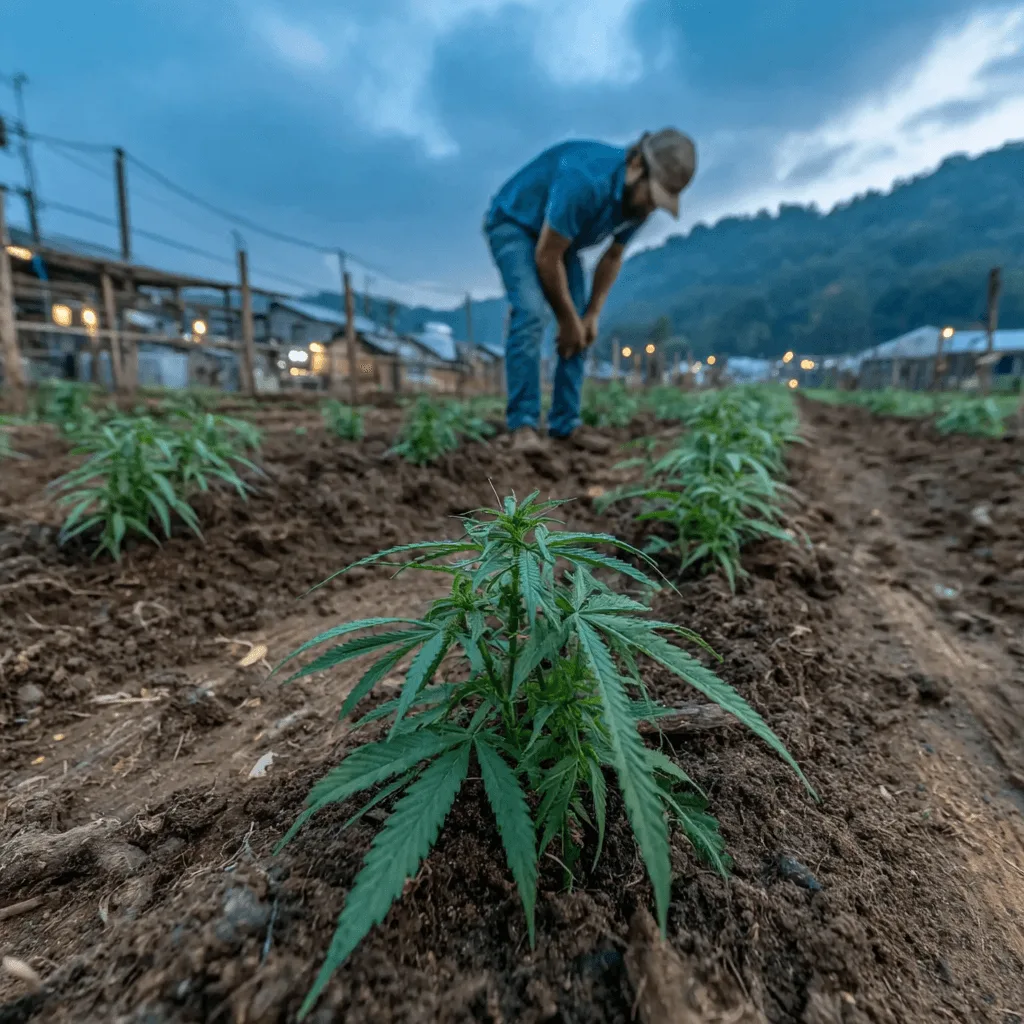
Let’s get straight to the green stuff: recent headlines show that Kentucky medical cannabis cultivation is moving out of the shadows and into legitimate sunlight. According to a WUKY report, the rollout has been slow, largely due to strict licensing frameworks and involvement from state-level law enforcement agencies. The Kentucky Department for Public Health established the first batch of licenses in mid-2025. Cultivators faced rigorous standards, such as robust background checks, traceability from seed to sale, and compliance checks with inspectors showing up unannounced. Local operations, ranging from legacy tobacco farmers to former hemp entrepreneurs, have thrown their hats in the ring despite extensive upfront costs, similar to how innovative education and precise dosing have empowered responsible choices in the cannabis space as discussed here. Operators like Kentucky’s Old Growth Farms and Bluegrass Botanicals are making early moves, aiming for the limited permits awarded in the first wave. The application process, though daunting, aims to prioritize small local grow operations and prevent out-of-state corporate giants from dominating the market—a problem noted in other states by MJBizDaily. Patient demand is already outpacing projected supply, especially for chronic pain and PTSD treatments, leading to additional state support for training, enforcement, and patient education. Despite hurdles, Kentucky stands poised to license up to 15 cultivators statewide by the end of 2025, with regular reviews and strict oversight ensuring accessibility and compliance in Kentucky medical cannabis cultivation.
Pro Perspectives: Industry Insights and Cannabis Community Voice
Despite some bureaucratic twists and a cautious approach from state regulators, there’s plenty of optimism, along with classic cannabis resilience. Kentucky medical cannabis cultivation isn’t just an economic buzz, it’s restorative for communities battered by shifting agricultural markets. Dr. Dustin Sulak, noted cannabis researcher, succinctly summarizes: “Every state working toward safe cultivation and access is helping redefine wellness at a grassroots level.” Local advocates echo this, pointing to Kentucky farmland eager for high-value, sustainable use. Industry veterans recognize that regulations must be paired with education—especially for rural growers used to tobacco. The learning curve may be steep, but ultimately, broader acceptance and improved patient access are well worth the effort. According to Leafly, diversified crop strategies drive economic recovery, and Kentucky’s unique growing conditions could pave the way for leadership in the region, if the local community remains central to reform. This community focus can be seen nationwide, like the vibrant ways in which cannabis initiatives celebrate culture at events such as the Reading Terminal Market Festival where cannabis is welcomed alongside local traditions. Advocates and medical professionals agree: slow-grow cultivators can produce quality and sustainable medicine—qualities that are crucial for every emerging market.
Future Outlook: Growth, Acceptance, and Kentucky’s Cannabis Frontier
Looking down the line, Kentucky medical cannabis cultivation is more than a passing trend—it’s the start of a new era for both agriculture and patient care in the state. With strong oversight, a focus on local farmers, and steadily easing stigma, Kentucky could position itself as a leader in producing high-quality, compassionate cannabis medicine. According to NORML, continued legislative support and measured policy change are key ingredients for lasting success. As more Kentuckians share their stories and more farmers embrace these new opportunities, the stigma recedes and the benefits of legal medical cannabis become even clearer. In a region built on generations of agricultural grit, the transition to cannabis cultivation feels like both a return to roots and a leap forward. Expect Kentucky medical cannabis cultivation to keep growing—one slow, resilient season at a time.
Originally reported by: wuky.org