



Karnes County officer smuggling case shocks Texas community
If you’ve followed the news lately, it’s impossible to miss the ripple effects from the Karnes County officer smuggling investigation in Texas. Law enforcement scandals have always drawn public attention, but when they intersect with the cannabis world, the story suddenly carries national and industry-wide relevance. With the cannabis debate as hot as a Texas summer, this case raises big questions about regulation, responsibility, and real-world consequences—right where old school law enforcement meets a fast-evolving green economy. Let’s dig deeper into how this moment matters, both to the Lone Star State and to the entire cannabis community.
Regulatory Landscape and Societal Pressures Behind Cannabis in Texas
The Karnes County officer smuggling case is deeply rooted in the complex tangle of Texas cannabis laws and federal prohibition. Texas, despite some recent reforms, holds steadfast to some of the nation’s strictest cannabis policies. Recreational use remains illegal, and only a limited medical program barely cracks open the door for prescribed low-THC cannabis oil, as outlined by official Texas government sources. This is worlds away from what cannabis advocates want, and it creates a big gray market for those seeking relief or opportunity outside legal channels. The cultural and legal stigma lingers, law enforcement is both enforcer and, sometimes, alleged participant in supply and demand dynamics. Ongoing public debates — like the ones emerging in communities where backyard cannabis cultivation sparks both support and regulatory scrutiny — show how local opinions are shifting; see how Mansfield’s local cannabis dynamics reflect broader state tensions. National polls, from Pew Research Center, show growing public support for legalization, but policy hasn’t caught up, making incidents like this a flashpoint for bigger conversations about cannabis reform, accountability, and the unintended side effects of prohibition.
Breaking Down the Key Facts of the Karnes County Officer Smuggling Incident
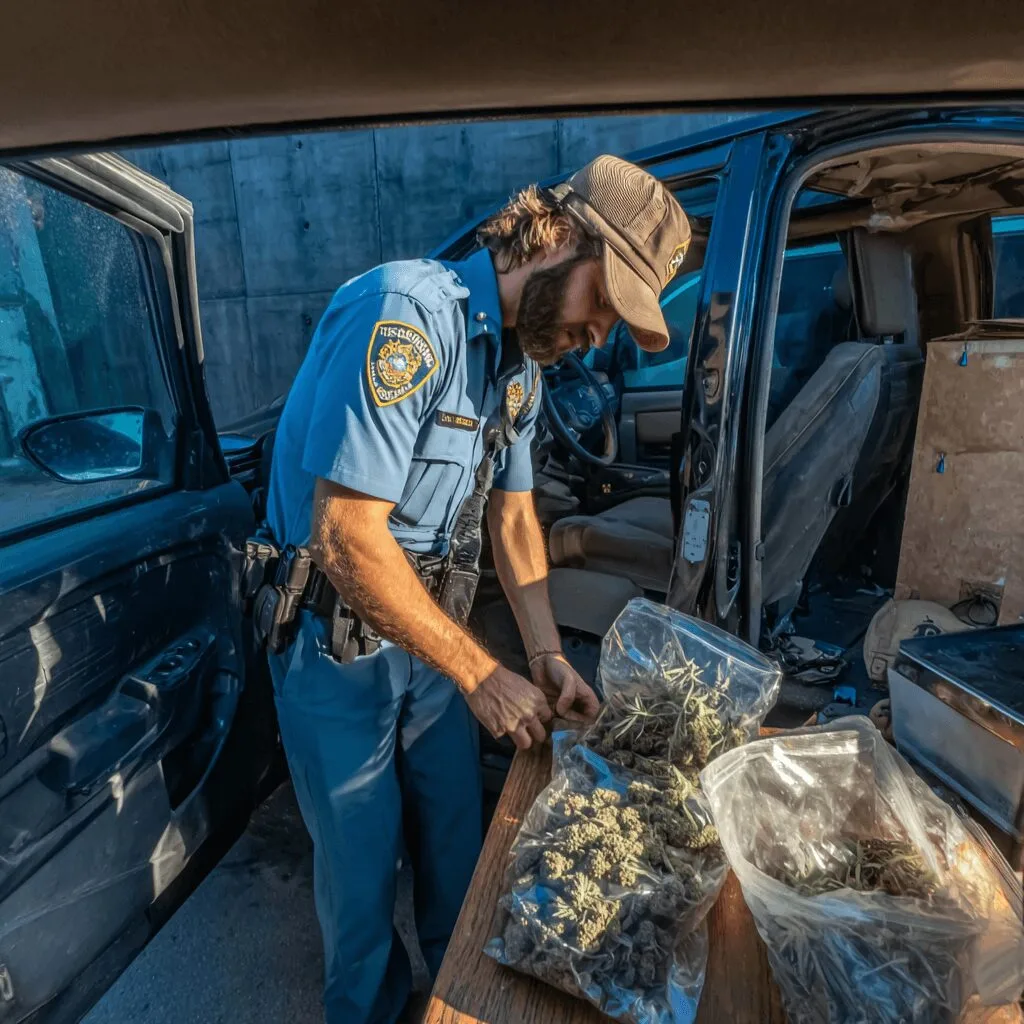
Here’s what went down, according to recent, well-documented reports by KSAT News: a former Karnes County correctional officer was arrested on November 17, 2025. The charge was attempting to smuggle marijuana into the county’s correctional facility to deliver to an inmate. While names and some finer legal details haven’t been fully released, this isn’t just a blip — it’s sparked a local and statewide reckoning across law enforcement, drawing questions about oversight, workplace culture, and the blurry lines that can form in underfunded, high-stress institutional settings. The incident involved a transparent plastic bag holding what officers determined to be cannabis buds, discovered during a sting operation, which demonstrates how even small amounts can trigger legal and career catastrophe under Texas law. Recent petition efforts, like those described in campaigns to change cannabis laws, continue to influence legislative discussion in the state — find out how community voices are rising up for marijuana legalization. As per Texas Tribune coverage, this case isn’t the first of its kind, but its timing lands squarely in the middle of larger legislative discussions in Austin about potential reform and criminal justice priorities.
Expert Perspectives on Broader Cannabis Industry Implications
Incidents like the Karnes County officer smuggling case are teachable moments, reframing the industry’s daily reality in prohibition states. As Jessica Billingsley, CEO of Akerna (formerly MJ Freeway), put it, “Prohibition doesn’t eliminate cannabis, it only determines who profits and who risks prosecution.” This smuggling case highlights the persistence of demand and the human nature of risk in environments where outdated law lags behind behavior and sentiment. Experts from NORML and Marijuana Moment repeatedly point out that criminalizing cannabis often traps low-level actors or vulnerable employees, without addressing demand for cannabis or strengthening prison safety. These cases also underscore the need for workforce education, real mental health resources for correctional staff, and transparency in facility operations. When looking at the surge of license disqualifications and the confusion in retail and compliance, it’s valuable to understand what’s really going on with cannabis retail licensing and why system reform has become a pressing industry concern. Industry leaders agree, incidents like these don’t reflect cannabis itself, but rather the collateral heat of patchwork laws and insufficiently resourced systems. The greater issue isn’t the plant, but the pressure cooker created by criminalization and inconsistent enforcement.
The Road Ahead: Reform, Awareness, and Future Cannabis Evolution
Despite the headlines, the Karnes County officer smuggling case won’t slow down the march toward a smarter, safer, and more widely accepted cannabis industry. Texas remains a battleground; as noted by Marijuana Policy Project, grassroots advocacy and shifting demographics are moving the needle on reform. Each time the system’s weaknesses are exposed, it prompts louder calls for regulatory clarity, training, and harm reduction. The future? Brighter than ever. Policy and perception are changing even in the most unlikely places. These tough but pivotal moments are reminders that—one way or another—cannabis is here to stay, and it’s growing up fast. Stay tuned, stay savvy, and don’t let the headlines cloud the holistic green future that’s within reach.
Originally reported by: ksat.com