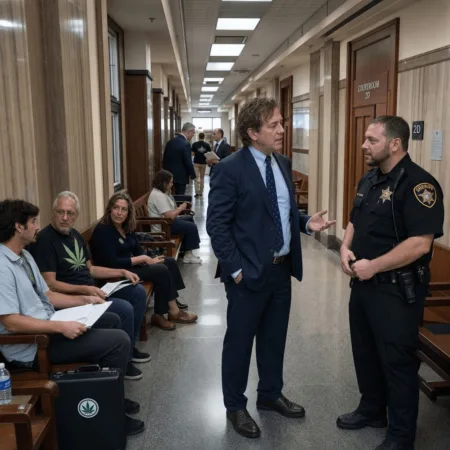
If you thought Kansas would leave the cannabis conversation to the coasts, think again. The latest push for Kansas marijuana legalization has sparked statewide interest, mixing bold legislative efforts with a growing appetite for social and economic reform. As discussions ramp up in the State Capitol, advocates and critics are grappling with new realities. Here’s how Kansas’s legalization debate is capturing headlines and why it’s a big deal for both the industry and community.
Kansas Marijuana Legalization: Historical & Regulatory Backdrop
Kansas has long stood apart from many neighboring states by resisting broader cannabis reforms. While states like Colorado and Missouri have implemented medical and adult-use marijuana laws, Kansas maintained some of the most restrictive cannabis statutes in the U.S., as reported by the National Organization for the Reform of Marijuana Laws (NORML). If we look at recent regulatory changes elsewhere, including new reforms in Colorado shaping their marijuana laws, it’s clear that the national landscape is influencing local discussions. Despite limited attempts at reform, possession and distribution remain criminal offenses, often carrying significant penalties. Legislative sessions have previously seen medical marijuana proposals stall or get watered down. Yet, mounting public support and changing national trends are now creating cracks in the prohibitionist wall. Pew Research Center surveys consistently show a robust majority of Americans favoring marijuana legalization, and neighboring states’ policy shifts have amplified pressure for Kansas lawmakers to act. With cannabis arrests disproportionately impacting communities of color and rural economies seeking new revenue streams, the stage for change is set.
Lawmakers and Developments: Kansas Marijuana Legalization in Motion
In February 2026, Kansas Democratic lawmakers launched a high-profile legislative bid to legalize marijuana. Senator Ethan Corson and Representative John Carmichael spearheaded the introduction of comprehensive measures aiming to establish regulated cannabis markets for adults. While previous years saw medical marijuana bills languish in committee, this proposal combines both medical and adult-use reforms, taking cues from legal frameworks in states like Illinois and Colorado. Similar tax-related constraints, such as denial of standard business deductions under IRS rules for dispensaries, are part of the regulatory considerations at play in Kansas. According to reporting by the Salina Journal, the new bills would oversee licensing, retail taxation, and strict public health guidelines, with local governments empowered to set participation limits or opt out. Lawmakers acknowledged challenges ahead, citing opposition from Republican leadership and well-organized anti-cannabis groups. Still, advocates point to recent polls and strong cross-border demand as momentum builders. Legalization opponents, meanwhile, warn about federal uncertainty and public safety risks. The debate has already spurred town halls, op-eds, and coalition-building statewide, creating unprecedented media buzz around Kansas marijuana legalization.
Expert Insights & Community Voices on Legalization’s Impact
Longtime industry watchers say the Kansas marijuana legalization movement is tapping into regional trends. Morgan Fox of the National Cannabis Industry Association highlights, “States embracing cannabis regulation are seeing declining illicit markets and significant economic benefits.” Local health professionals and economists, referencing Brookings Institution studies, cite measurable drops in opioid fatalities and increased tax revenues in comparable states. In discussing risks encountered during transportation and law enforcement practices, cases like the now-infamous traffic stop search resulting in a viral case show how ongoing criminalization keeps these headlines in the news. Experts stress that well-regulated frameworks can address concerns about youth access, impaired driving, and workplace safety. At recent hearings, advocates from Kansas for Change argued that criminalization fails to deter use and only burdens courts and families. Opponents voice apprehensions over public health but often acknowledge the need for policy modernization. The tone is shifting, as doubters now seek practical solutions versus flat rejection, and pro-cannabis perspectives are finding more mainstream allies.
Outlook for Kansas Marijuana Legalization: What’s Next?
As Kansas marijuana legalization efforts advance, advocates remain optimistic about the evolving social climate. With polling data and regional case studies on their side, lawmakers are poised to force deeper policy debates in Topeka. Even if this session’s proposals face hurdles, advocates believe future rounds will bring more stakeholders to the table. The cannabis industry’s continued growth—highlighted by robust revenue reports from neighboring markets—provides some compelling financial motivation. Leafly’s 2024 industry outlook predicts increased cross-border commerce and stronger bipartisan legalization efforts in emerging Midwest states. Legal reform here seems not a question of if, but when. As public sentiment shifts, Kansas stands at the tipping point—ready to transform decades-old policy and join an industry moving into the mainstream. Stay tuned, because the Sunflower State might just surprise everyone.
Originally reported by: salina.com