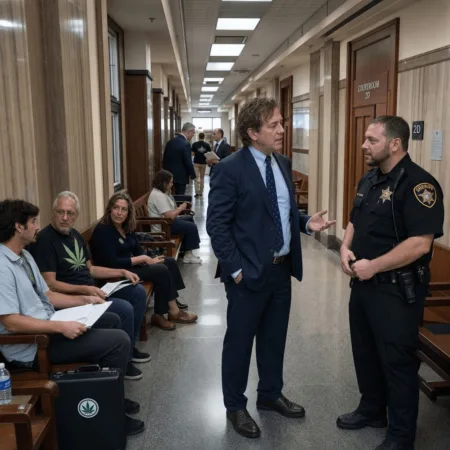
Marijuana Legalization Amendment: Understanding the Debate
In recent years, the debate around the Marijuana Legalization Amendment has intensified, captivating the attention of policymakers, legislators, and citizens alike. This contentious issue has sparked conversations across various platforms, with proponents and opponents voicing their opinions.
Exploring the Controversy
Marijuana Legalization Amendment, a proposal aimed at altering existing legislation to permit the use and distribution of cannabis, has divided public opinion. While some advocate for its implementation, citing potential economic benefits and individual freedoms, others express concerns regarding its societal impact and potential risks.
Proponents’ Perspective
Supporters of the Marijuana Legalization Amendment argue that the current prohibition on cannabis is outdated and ineffective. They contend that legalizing marijuana would generate substantial tax revenue, create jobs, and alleviate the burden on the criminal justice system. Additionally, proponents emphasize the importance of empowering individuals to make informed choices about their health and well-being.
Opponents’ Concerns
Conversely, opponents of the Marijuana Legalization Amendment raise valid concerns regarding the potential negative consequences of widespread cannabis use. They argue that legalization could lead to increased substance abuse, impaired driving incidents, and negative health outcomes, particularly among vulnerable populations. Furthermore, opponents highlight the lack of conclusive evidence regarding the long-term effects of marijuana use, emphasizing the need for caution when considering such significant policy changes.
The Role of Legislative Action
As the debate rages on, legislative bodies grapple with the task of reconciling divergent viewpoints and crafting effective policy solutions. Whether to proceed with the Marijuana Legalization Amendment remains a contentious issue, with lawmakers facing the challenge of balancing the desires of their constituents with the need for evidence-based decision-making. Despite the amendment’s failure to pass in the Kansas House of Representatives, the conversation surrounding cannabis reform is far from over. As citizens and policymakers continue to engage in dialogue and debate, the path forward remains uncertain.
Conclusion
In conclusion, the Marijuana Legalization Amendment represents a pivotal moment in the ongoing discourse surrounding cannabis legalization. As advocates and opponents alike continue to make their voices heard, the debate will inevitably persist. Only through thoughtful deliberation and collaboration can we hope to navigate the complexities of this issue and forge a path forward that balances individual freedom with public safety. In the meantime, let us remain vigilant and engaged, continuing to seek understanding and common ground in our pursuit of a more just and compassionate society.
This article was inspired by an article by the original creator, Ben Adlin.