Jewish Psychedelics Retreat: Burnout Recovery for Pros
Right now, wellness is more than just a buzzword—it’s an urgent priority, especially for professionals working in high-stress fields. Jewish communities are joining the growing trend of psychedelic-assisted retreats, seeking both authentic healing and practical recovery from burnout. As legal, regulatory, and social landscapes continue to shift, the rise of the Jewish psychedelics retreat is tapping straight into emerging market demand and cultural conversations. This is about more than cannabis—it’s a bold new approach to professional mental health, community resilience, and ancient tradition meeting cutting-edge practice. Let’s spark up an honest, insightful look into why these retreats matter, how they’re making headlines, and what they could mean for the future of cannabis and psychedelics within Jewish professional life.
Cultural, Legal, and Market Background: The Roots of the Jewish Psychedelics Retreat
Psychedelics are having a major moment, especially in North America. After decades in the shadows, both medical cannabis and classic psychedelics, such as psilocybin and MDMA, are going mainstream. Major cities like Denver and Oakland have led the way by decriminalizing psilocybin, paving the way for a new era of healing and wellness. Medical research from institutions like Johns Hopkins and MAPS confirms what many in cannabis culture have long believed: plant-based therapies can ease trauma, relieve anxiety, and help folks reset after major life stressors.
The Jewish psychedelics retreat rides this wave. It offers a culturally safe, deeply intentional space for people seeking relief from the grind, especially professionals in Jewish organizations who, according to eJewish Philanthropy, are facing unprecedented levels of burnout. Broader workforce trends echo this reality, as McKinsey reports stress-reduction through alternative therapies is sought by a growing number of professionals. Significant support for expanded medical access is visible too. For instance, recent legislative debates such as upcoming marijuana psychedelics ballot measures highlight how legal landscapes are evolving for access to both cannabis and psychedelics across the United States. Institutions still must navigate a network of rules—spanning state, federal, and religious policy. Yet, momentum for reform is growing, and nearly two-thirds of U.S. adults support medical psychedelics access according to NORML.
Inside the Shefa Retreat: Key Developments and Industry News
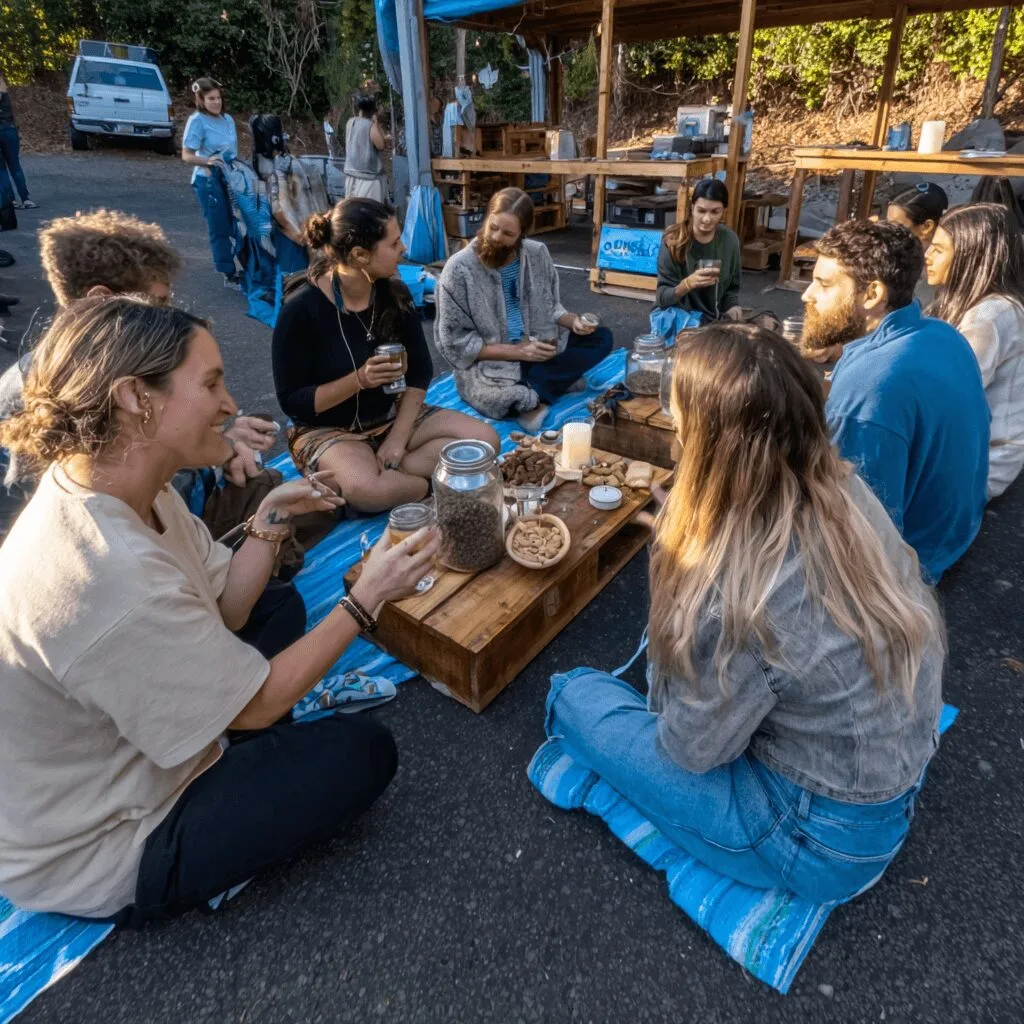
Here’s the headline: Jewish nonprofit Shefa has launched a first-of-its-kind Jewish psychedelics retreat for professionals battling burnout (according to eJewish Philanthropy). This isn’t your average weekend getaway. Taking place in a discreet, nature-filled location, the retreat is engineered for Jewish professionals — rabbis, educators, nonprofit leaders — struggling with ’emotional exhaustion, compassion fatigue, and spiritual drought.’
In this Jewish psychedelics retreat, programming blends guided psychedelic journeys (adhering to safe-use protocols), group integration sessions, gentle mindfulness, and open Circles to process both ancient wisdom and modern chaos. Cannabis is an optional sacrament, discussed openly regarding responsible use, harm reduction, and cultural context. Jewish ethical teachings take center stage with each participant screened and supported by medical and therapeutic professionals. This intentional, safe approach resonates with trends in other communities, such as efforts to address local cannabis restrictions and zoning debates affecting dispensary access, showing how policy and wellness are increasingly connected.
What makes it notable is Shefa’s organizational investment: legal risk assumed by the nonprofit, paid harm reduction staff, and collaboration with consultants experienced in both Jewish tradition and modern therapy. March 2024 saw the pilot event, and with strong interest and positive testimonials (such as reports of less burnout and renewed spiritual connection), further sessions are already in planning for this year.
Expert Analysis: Why This Jewish Psychedelics Retreat Is a Tipping Point
The launch of a Jewish psychedelics retreat represents more than niche innovation — it highlights how established communities are supporting scientifically validated, plant-based therapies. Dr. Julie Holland, psychiatrist and author, observes, ‘We’re watching centuries-old stigma dissolve as medical research finally validates what traditional cultures always knew: plants can help people heal.’ (Psychiatric Times)
These Jewish psychedelics retreats, positioned at the intersection of spirituality and evidence-based wellness, set a new standard. The industry is evolving rapidly. According to New Frontier Data, the market for legal psychedelics could soon rival medical cannabis, especially as mental health needs surge post-pandemic. Early adoption by Jewish communities shows the blend of tradition and innovation at work. This trend directly relates to the broader impact of scientific research and changing attitudes, reminiscent of recent advances where marijuana research studies are shifting public and scientific perspectives on plant-based health strategies.
Uncertainty remains due to the ongoing legal gray zone. Responsible retreats — including comprehensive safety, transparency, and education — reflect best practices developed in the cannabis sector. Harm reduction remains a practice and a promise, not just a slogan.
What’s Next: Jewish Psychedelics Retreats and the Future of Wellness
The future looks bright—and a little trippy. As the Jewish psychedelics retreat model gains traction, we’ll see more mainstream organizations exploring these approaches, blending ancient tradition and modern mental health science. States are slowly catching up: regulatory frameworks creep forward, more health insurers are inching toward coverage, and major universities are publishing fresh clinical research supporting safe, supported psychedelic use.
Cannabis isn’t just a gateway drug; it’s a gateway to conversations about authentic wellness, collective healing, and spiritual reconnection. With each new retreat, stigma fades and evidence grows. The journey from clandestine joint-passing to openly discussed, compassion-focused recovery? That’s something the whole industry, from growers to clinicians, can celebrate.
As buzz builds, so does hope—hope that the Jewish psychedelics retreat is only the beginning of a larger movement redefining professional well-being for everyone.
Originally reported by: ejewishphilanthropy.com