





Intoxicating Hemp THC Conversion: How It Changed Legal Marijuana
The landscape of American cannabis is transforming, with intoxicating hemp THC conversion at the heart of a heated debate. As consumer demand skyrockets and regulatory frameworks scramble to evolve, this seemingly technical process is reshaping how marijuana is produced, sold, and enjoyed. Recent legal updates in Colorado and other key states have propelled this topic into the national spotlight. This article unpacks why intoxicating hemp THC conversion matters right now, and what it signals for the future of cannabis law, business, and culture. Expect deep context, real facts, and plenty of insights—both sober and, well, a little stoney.
Where Intoxicating Hemp THC Conversion Comes From: The Regulatory and Market Backdrop
Let’s be blunt: The evolution of intoxicating hemp THC conversion in cannabis law is rooted in contradictions at the heart of the U.S. regulatory system. Since the 2018 Farm Bill (U.S. Congress) federally legalized hemp, but not ‘marijuana’, it cracked open a gray area. Hemp is defined as cannabis with <0.3% Δ9-THC, but the law never restricted how non-intoxicating hemp-derived CBD could be chemically converted into potent, psychoactive THC isomers such as delta-8 or even regular delta-9. This regulatory dynamic is reminiscent of the inconsistent approach seen with other drug enforcement efforts, including the recent surge in California’s illegal cannabis seizures. This twist in definitions forced state and federal regulators onto a fast and confusing learning curve. Some states, like Colorado, rapidly moved to clamp down on intoxicating hemp THC conversion. Others delayed, causing a patchwork of rules and enforcement. Meanwhile, consumer interest surged, partly fueled by cheaper prices, unfussy branding, and the sense that a legal loophole meant safer access. According to Leafly, more than a dozen states have since addressed these loopholes, writing new laws to navigate a market some call the ‘Wild West’ of weed. This tension between innovative chemistry, business ambition, and legal uncertainty is why everyone’s watching intoxicating hemp THC conversion closely.
Key Developments: Colorado’s Bold Moves, Market Shifts, and Legal Challenges
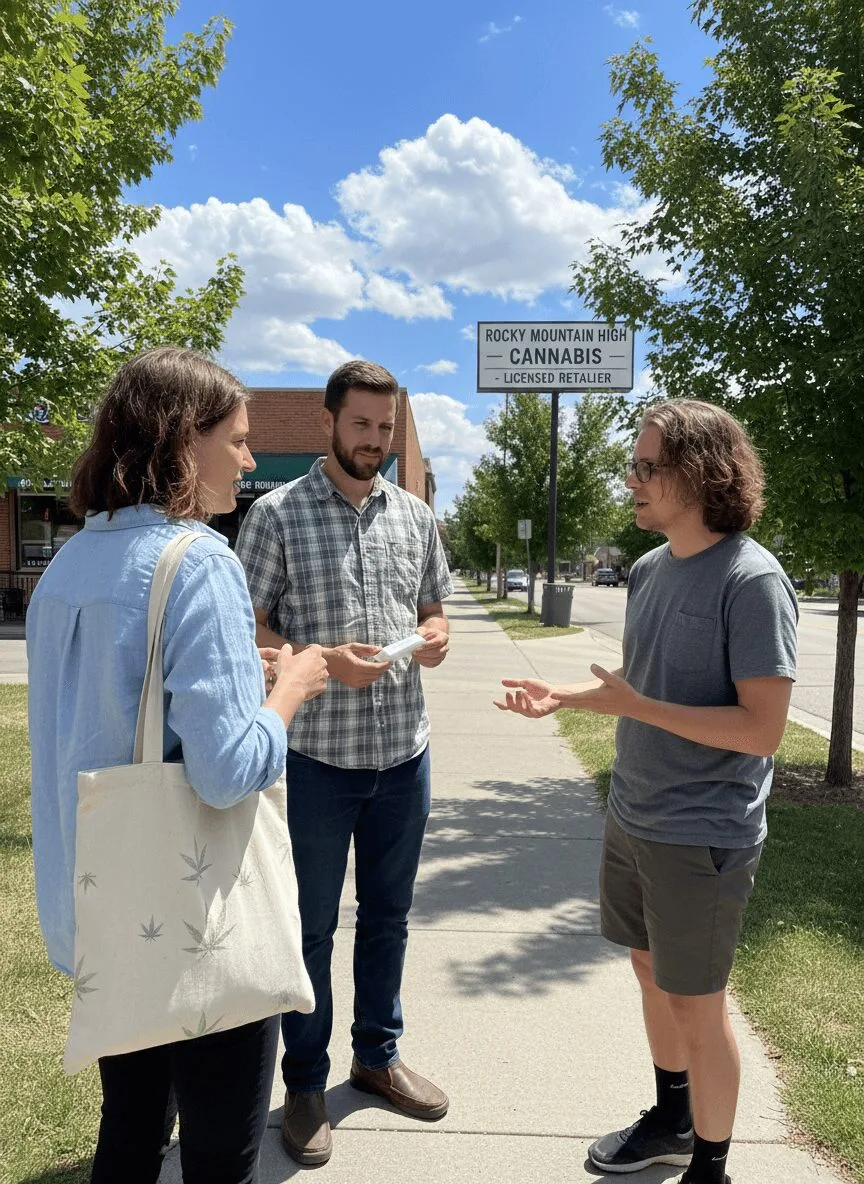
The original ProPublica report details how Colorado, a longtime leader in cannabis reform, found itself at a crossroads. The arrival of potent intoxicating hemp products via THC conversion blindsided regulators, retailers, and legacy growers. Companies used hemp-derived CBD, processed in local labs, to produce intoxicating cannabinoids indistinguishable from those in regulated marijuana. This flooded the market with affordable edibles, vapes, and tinctures, sometimes tested under less stringent standards. The state responded fast. In July 2021, the Colorado Legislature passed HB 21-1317 and HB 21-1436 (Colorado General Assembly), which tightened the definitions of both marijuana and hemp and limited the ways processors could legally market intoxicating hemp THC conversion products. Retailers were ordered to halt sales of certain goods, and a new licensing track was proposed for products over a certain potency threshold. These developments have added to an evolving legal landscape in which consumer privacy and data security have also come under scrutiny, particularly as ongoing cannabis privacy class action lawsuits highlight the importance of regulatory clarity. Major dispensary chains, including Native Roots and LivWell, also faced confusion about how to separate compliant from non-compliant THC products. In the middle of this, consumer demand soared, especially among those priced out of high-tax, state-licensed cannabis. The result: a storm of enforcement actions, industry protests, and legal shake-ups that reverberated far beyond Colorado’s borders.
Expert Take: What Intoxicating Hemp THC Conversion Means for the Industry
This is where things get real. The rise of intoxicating hemp THC conversion proves the cannabis market is as creative as it is complex. Cannabis chemist and regulatory consultant Dr. Allison Justice recently said, “When regulators lag behind chemistry, entrepreneurs look for every possible lane. Hemp-derived intoxicants threw us all a curveball, especially for consumer protection.” (Marijuana Moment). Why does this matter? For starters, intoxicating hemp THC conversion challenges state tax policy, disrupts established medical cannabis programs, and blurs the line between lawfully produced hemp and strictly regulated marijuana. It’s also driven innovation, with companies hustling to meet demand using new processes and old-school advocacy. In the midst of regulatory ambiguity, many see an opportunity for the industry to adapt, much like those who are exploring the hottest cannabis banking opportunities arising from shifting rules. Industry experts like Leafly editorial staff note that, “The loophole changed the game by giving millions access to legal THC with far less oversight. Regulators now face a crisis of credibility and public safety.” Meanwhile, seasoned advocates remind us that regulatory whiplash undermines small producers who built the industry from the roots up. Still, many believe this chaos will ultimately push lawmakers towards smarter, more unified cannabis regulation across the country.
Future Outlook: Regulatory Clarity and Cannabis Possibilities
So, what’s next for intoxicating hemp THC conversion? If history is any guide, pragmatic solutions always follow controversy. The cannabis community continues advocating for clear, science-driven policies that allow for safe, fair access while supporting innovation and small business. More states are now watching Colorado’s example, aiming for a ‘Goldilocks’ zone: not too loose, not too tight, but just right for public health, economic growth, and personal freedom. According to NORML’s 2024 state-by-state analysis, the American approach to cannabis is growing more nuanced and responsive. Social acceptance is at an all-time high, with public polling showing majority support for full legalization and comprehensive safety standards. The big takeaway? The debate over intoxicating hemp THC conversion is pushing us toward a future where cannabis law is more logical, inclusive, and rooted in real science. Stay tuned, stay informed, and—of course—stay elevated.
Originally reported by: propublica.org


1 Comment
Pingback: Central KY marijuana dispensary openings: Latest updates & delays