Indiana man cocaine marijuana charges spark major arrest
The cannabis industry is in the spotlight again with a headline-grabbing case: Indiana man cocaine marijuana charges. As states re-evaluate outdated drug laws, individual arrests like this become even more relevant—driving fierce debate about where we draw the line for criminal justice reforms. This case isn’t just about one man’s alleged choices, but the rapidly shifting views on cannabis and heavier drugs across the Midwest. Here’s what you need to know about the latest developments, impacts on policy, and what it means for the cannabis movement going forward.
Changing Laws and Shifting Attitudes: Context for Indiana man cocaine marijuana charges
Let’s set the stage, Indiana still holds some of the toughest cannabis laws in the United States. For decades, simple possession could mean jail time, let alone more serious charges. While progressive states like Illinois and Michigan have seen record-breaking tax revenue and criminal justice reform, Indiana has been hesitant to update its approach. The result, a patchwork of policies and enforcement that can blindside everyday people. National trends indicate cannabis acceptance is at an all-time high, per NORML’s 2024 report. However, as states continue to debate effective strategies for regulating controlled substances, significant differences remain between how marijuana and other drugs are handled across the country. To understand what these contrasts mean for communities, it’s worth exploring how different regulatory frameworks such as those comparing marijuana and alcohol regulation and public safety are challenging outdated norms. Yet, local law enforcement and some state legislatures remain resistant, continuing to enforce harsh penalties for cannabis-related activities. This legal uncertainty puts people at risk for sudden, high-profile arrests—including those where other substances complicate charges further. The Indiana man cocaine marijuana charges are part of a larger discussion about disproportionate policing and the need for reform in slow-to-change states.
Key Developments: Breaking Down the Indiana man cocaine marijuana charges
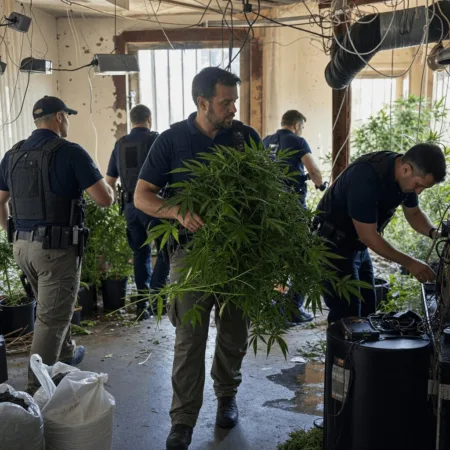
According to official reports from the U.S. Department of Justice, local authorities arrested a middle-aged Indiana resident after allegedly discovering both cocaine and marijuana in his possession during a targeted search. The arrest, which took place earlier this month, followed a high-profile surveillance operation involving local and federal authorities. There is a growing conversation about whether better industry education or approaches taken in other states might have influenced outcomes, as recent efforts in medical cannabis education show how professional standards can change public perception and enforcement priorities. Police allege they recovered significant quantities of marijuana flower alongside cocaine and paraphernalia suggesting intent to distribute. Court documents reveal that the accused faces multiple counts relating to possession and trafficking. Notably, prosecution is seeking enhanced penalties due to the presence of both marijuana and cocaine, despite growing public support for cannabis reforms statewide. Such mixed charges raise complex questions because while public pressure for cannabis reform continues to grow, cocaine remains heavily penalized and stigmatized. The Indiana man cocaine marijuana charges have therefore become a focal point for debates about fairness, justice, and the blurred lines between cannabis and other scheduled substances.
Expert Analysis: What the Indiana man cocaine marijuana charges Mean for the Industry
This case is a textbook example of legal gray areas. As noted by law and policy expert Bruce Barcott, writing for Leafly, “The rapid shift in public sentiment toward cannabis has left many state laws outdated, resulting in uneven enforcement and legal confusion.” In Indiana, advocacy groups see the Indiana man cocaine marijuana charges as symbolic of the broader need for sensible drug laws rooted in science instead of fear. Importantly, concerns about business safety and community risk also influence these debates, as cases involving cannabis industry security, like the burglary of cannabis facilities, highlight that regulatory and enforcement gaps can have wide-ranging effects. It’s vital to distinguish between the realities of safe adult cannabis use and the persistent dangers of illicit cocaine distribution. The cannabis community points to successful reforms in nearby states, where legal regulation has reduced black market activity while freeing up law enforcement to focus on real public safety threats. This case demonstrates how policies lag behind public opinion, creating unnecessary hardship for individuals caught in the crossfire. Many experts agree: effective reform, rooted in facts—not stigma—can prevent tragic outcomes and foster safer communities.
Looking Ahead: A Turning Point for Indiana and the Cannabis Community
While the Indiana man cocaine marijuana charges have stirred up controversy, they also spotlight the urgent need for updated laws reflecting current attitudes and best practices. The cannabis industry is moving forward, driven by increasing public acceptance and robust data supporting decriminalization. States like Oklahoma and Maine show that thoughtful reform brings economic and social benefits. In Indiana, advocates view this arrest as a catalyst for open dialogue on how justice, fairness, and personal rights can better align with evolving norms. The future of cannabis policy—both state and nationwide—depends on learning from cases like these, ensuring common sense prevails over outdated tradition. Expect continued growth, fresh policy debates, and a steady march toward reasoned reform in the months to come.
Originally reported by: justice.gov