





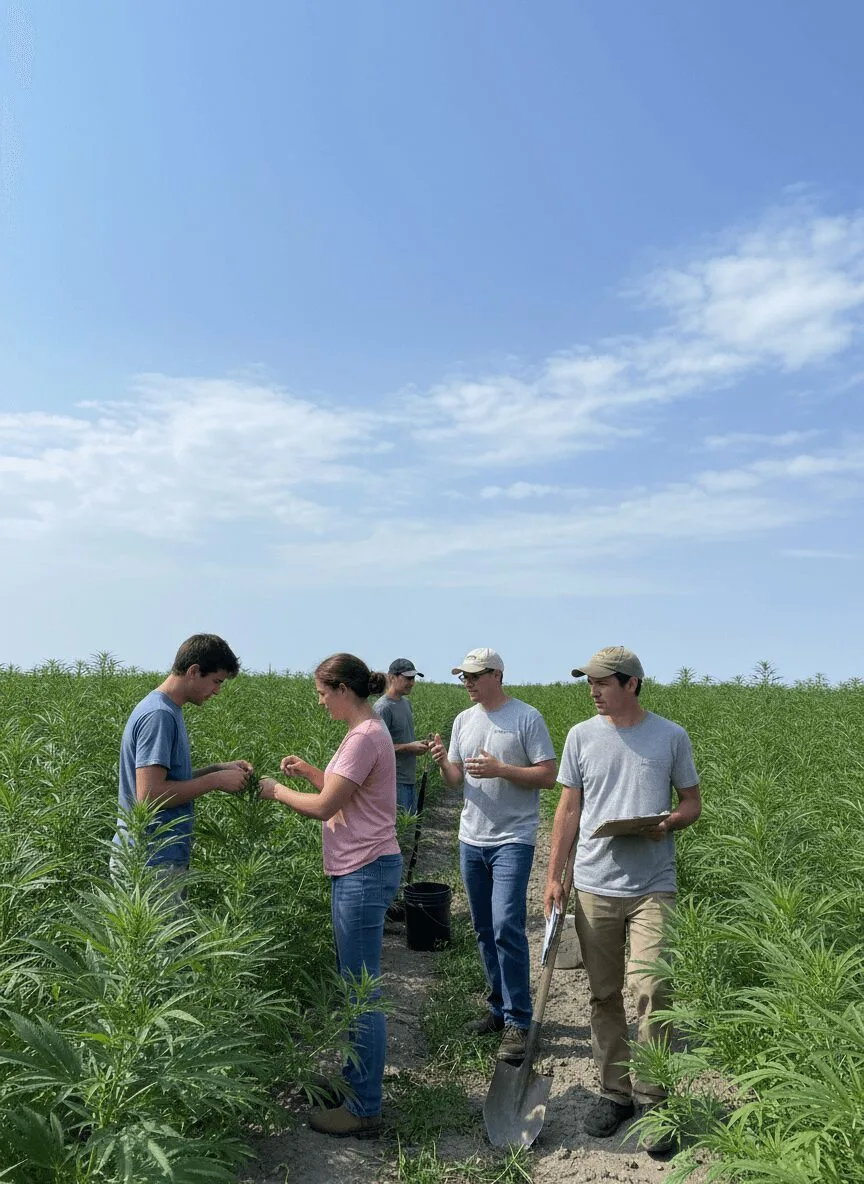
Indiana hemp THC ban: What It Means for the Industry
There’s a lot of buzz—and not the good kind—circling Indiana’s hemp industry right now. The reason? The Indiana hemp THC ban is poised to dramatically reshape how farmers, processors, and even everyday hemp consumers operate. Momentum is building as state and federal restrictions press in on an industry already balancing precariously between innovation and regulation. This is more than policy—it’s about livelihoods, rural economies, and the evolving story of cannabis in America. Read on to unpack what the ban really means, how we got here, and what’s likely ahead for Indiana hemp.
Understanding the Legal Landscape: Navigating Indiana’s Hemp Regulations
First, let’s get our bearings. Hemp, unlike its psychoactive cousin marijuana, was federally legalized in 2018 through the Farm Bill (source: FDA). The catch? Hemp must contain less than 0.3% delta-9 THC. States have the power to further regulate or restrict hemp and cannabinoids, with Indiana stepping in with a particularly heavy hand. The state’s history with cannabis remains conservative—its laws have always been stricter on anything remotely intoxicating. For hemp, this meant extra hoops such as state licensing, multiple crop-stage testing, and a zero tolerance policy for products crossing that minimal THC threshold. Indiana is not alone in this trend; recent incidents of contaminated products highlight the need for oversight and can be explored further in this investigation into hidden dangers for consumers. Since early 2023, lawmakers began eyeing further bans—not just on delta-9, but also popular hemp-derived THC variants like delta-8 and delta-10, citing public health and safety concerns. According to IndyStar reports, the regulatory tide has only gotten tighter as consumer demand and innovative chemistry outpace legislative comfort zones.
Key Developments & Issues: Hemp’s Legal Crossroads in Indiana
Indiana hemp THC ban: Recent Milestones
In February 2026, the Indiana hemp THC ban reached a critical milestone as lawmakers advanced legislation restricting nearly all psychoactive cannabinoids derived from hemp. This latest crackdown specifically targets products containing not just delta-9, but also delta-8 and delta-10 THC, often sold in vape cartridges and edibles across gas stations and specialty shops. As noted by Axios Indianapolis, the move sparked uproar among the 200+ licensed hemp growers and processors, including companies like Hoosier Hemp Farm and Indiana Wellness. Industry advocates and business owners argue that the legislation overreaches, jeopardizing jobs, local tax revenue, and rural livelihoods—a controversial step similar to recent policy shifts explored when Braun surprised Hoosiers with bold moves on medical marijuana legislation. The legislation also comes as federal agencies (such as the FDA and DEA) signal their intent for tougher national guidelines. Further complicating the scene, hemp products remain available in bordering states, deepening confusion for consumers and law enforcement. As of early 2026, enforcement mechanisms include expanded product seizures, fines, and license suspensions—all hotly contested by producers, distributors, and a growing roster of statehouse allies.
Expert Analysis & Industry Perspectives: Staying Ahead in a Shifting Landscape
The Indiana hemp THC ban’s impact beyond paperwork
Let’s slice through the legal haze: the Indiana hemp THC ban isn’t just a paperwork headache. It’s a disruptor of rural economies, farm innovation, and even consumer choice. According to Hemp Grower Magazine, Indiana’s hemp sector was blossoming with new tech and sustainable ag practices before the recent clampdown. Limiting THC thresholds now risks stunting this growth and driving business underground, where regulation and product safety are less certain. Leading advocate and CEO of Hoosier Hemp Farm, Ben McCormick, told Hemp Grower Magazine, “Every new restriction makes it harder for good-faith farmers to survive and easier for unsafe, unregulated products to flood the market. Smart rules are good, blanket bans just don’t work.” The ban also muddies Indiana’s efforts to be seen as a player in the Midwest’s emerging legal cannabis network. For perspective on how worker activism shapes policy in neighboring regions, you can read about how local cannabis workers successfully ignited change at a dispensary in Wyomissing. Neighboring Illinois and Ohio, for example, have moved toward more nuanced, tax-generating regulatory frameworks. As MJBizDaily reports, successful states are those where lawmakers and the industry work together to balance safety and prosperity. The Indiana hemp THC ban, in contrast, leans heavy on prohibition without fully considering its broader impact or offering pathways for adaptation.
Looking Forward: Indiana’s Hemp Industry Isn’t Done Yet
The Indiana hemp THC ban is a serious curveball, but it’s far from the final inning for Indiana’s cannabis pioneers. If we’ve learned anything from industry history nationwide, it’s that cannabis culture is nothing if not resilient and adaptive. Farmers and processors are now sharpening their advocacy, working through the courts and collaborating with national coalitions to push for smarter policy. According to NORML, similar restrictive moves in states like Texas and Georgia led to public pushback and, eventually, partial rollbacks after economic realities hit home.
Bottom line: As Indiana’s hemp story enters a new chapter, innovation, evidence-based policy, and grassroots activism will keep the field alive. If the backdrop is uncertain, the spirit of Indiana’s cannabis community remains unshaken. The regulatory climate may be stormy, but a brighter, more rational future for hemp is well within reach—and worth every effort.
Originally reported by: axios.com


1 Comment
Pingback: Eastview Mall cannabis dispensary expansion: What’s next for Victor?