



The Illinois recreational marijuana lawsuit is blazing new trails, and not just for courtrooms. After years of legal twists since cannabis became legal in the state, this pivotal lawsuit has hit the spotlight. As dispensaries boom and consumers celebrate expanded access, the courtroom drama unfolding is about more than just paperwork. It’s about fairness, opportunity, and the evolving culture around cannabis. In this article, we break down the lawsuit’s roots, the key players, the latest headlines, and what it means for anyone invested—literally or figuratively—in the Illinois cannabis market. Buckle up, because the outcome will set the tone for weed businesses and social equity applicants for years to come.
The Roots: Context for the Illinois Recreational Marijuana Lawsuit
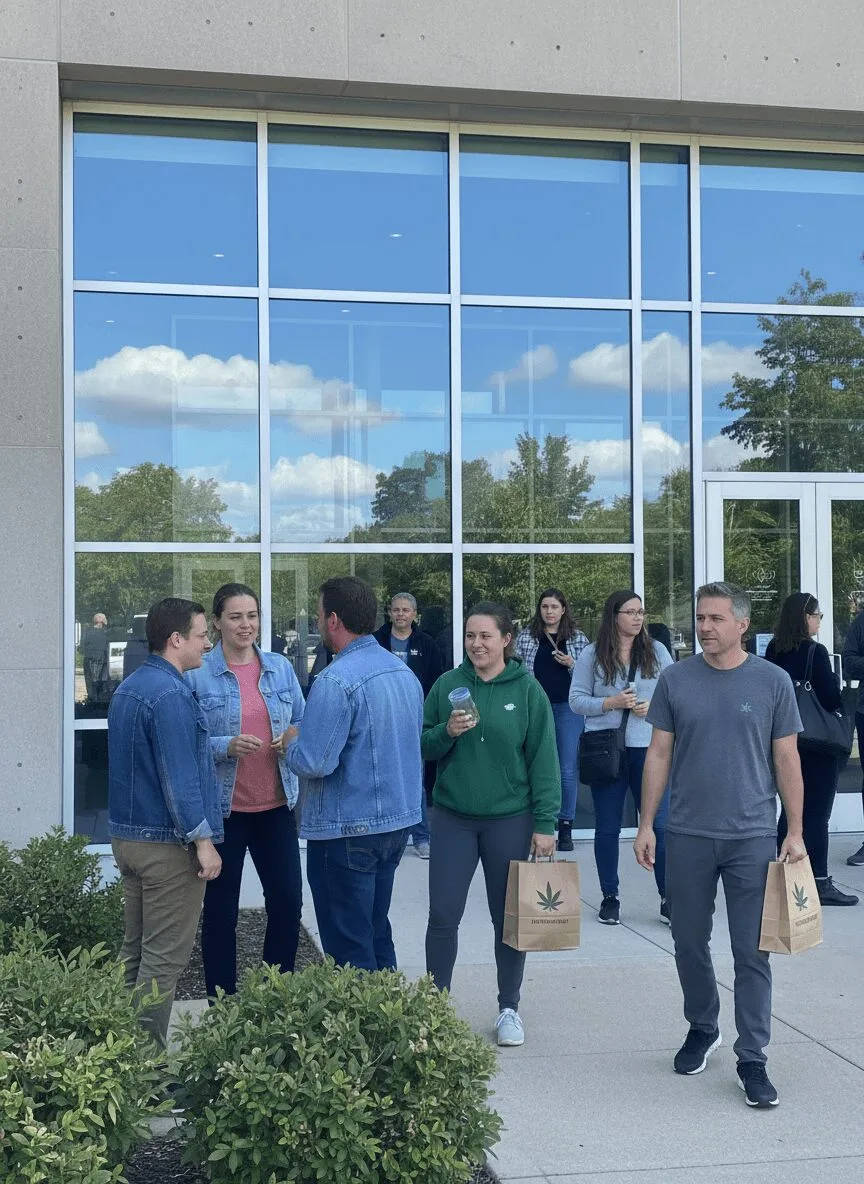
When Illinois became the 11th state to legalize recreational cannabis in early 2020, the move was touted as a model for social equity reforms and transparent licensing. State officials at the Illinois Department of Financial and Professional Regulation promised inclusivity for communities historically impacted by prohibition. The goal: open the market to fresh faces, not just big-money corporate interests. As regulators crafted scoring frameworks meant to boost minority applicants and add community value, all under the spotlight of a rapidly growing, multibillion-dollar industry, observers noted that challenges were likely. But no one expected the path forward to be smooth, as waves of lawsuits and delayed rollouts were almost inevitable. Incidents in other states, such as when a major marijuana arrest in Hartford sparked debate over cannabis laws, serve to highlight the broader challenges and scrutiny surrounding legalization. As Marijuana Moment and other industry sources have reported, Illinois cannabis licensing rounds have sparked intense legal battles over application fairness, definitions of ownership, and equity scoring. The market, meanwhile, has ballooned, according to Headset’s Illinois Market Trends Report, with adult-use cannabis sales topping $1.5 billion in 2023, and competition for licenses fiercer than ever. This sets the scene for the Illinois recreational marijuana lawsuit now finally having its day in court.
Lawsuit Lowdown: Key Developments & the State of Play
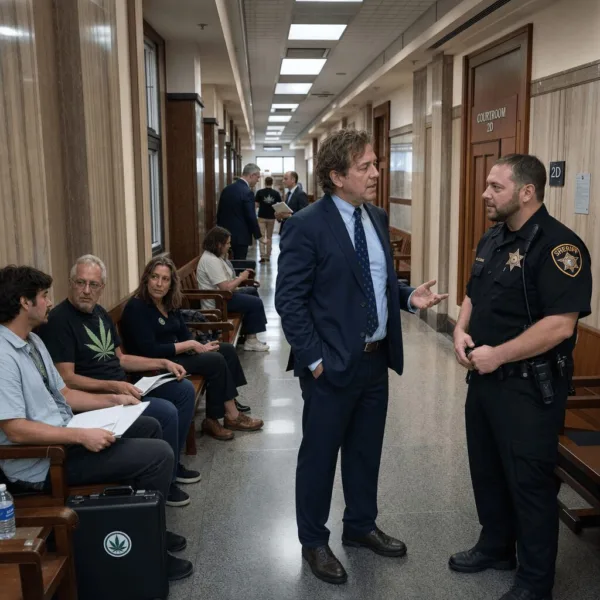
The Illinois recreational marijuana lawsuit that just hit court is a culmination of years of simmering frustration. According to a recent Shaw Local News report (2026), this is the last major challenge from the chaotic first round of Illinois licensing. Plaintiffs include social equity applicants who claim that long delays and unclear rules unfairly locked them out of the market. At the case’s heart: whether Illinois regulators violated their own fairness promises in reviewing license applications and, crucially, whether some awardees got an unfair leg up. Core issues include:
- Delays stretching for years between legalization in 2020 and license award announcements, leaving many would-be business owners on ice.
- Rules changes after application deadlines that plaintiffs say confused, or even disadvantaged, those playing by the original rules.
- Allegations that some multi-state operators skirted true social equity ownership requirements, squeezing out community-based applicants.
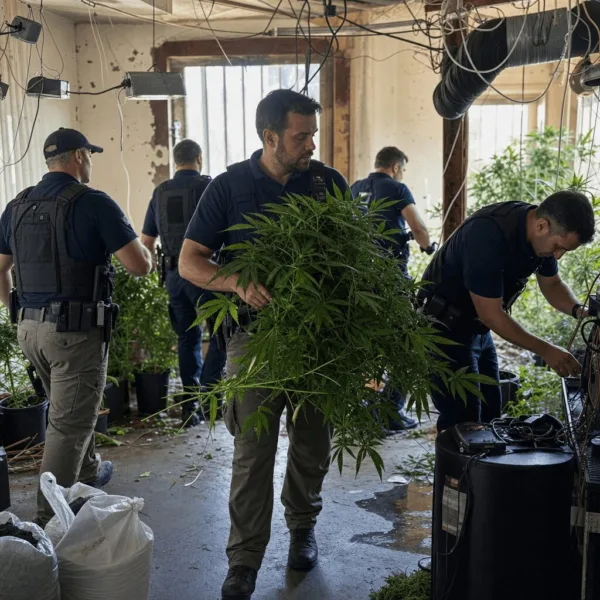
This kind of slow progress can devastate local entrepreneurs and create opportunities for illicit markets, reminiscent of incidents where police have uncovered major illegal marijuana grow houses due to regulatory uncertainty. Defendants—the state and several awarded companies—deny any systemic unfairness. The lawsuit has already shaped how licenses have been issued across later rounds and continues to influence both legal precedent and Illinois’ cannabis culture, as confirmed by Chicago Tribune coverage. The outcome could determine both immediate winners and how the state balances business opportunity with equity for years ahead.
Expert Analysis, Commentary, and Pro-Cannabis Perspective
For seasoned cannabis industry insiders, the Illinois recreational marijuana lawsuit represents both a cautionary tale and a roadmap for change. Delays and litigation are bad for business and communities alike, but so are rushed rollouts that miss the mark on equity. Social equity applicants spent years securing capital, support, and local partnerships, only to find regulations shifting beneath their feet. Regulatory woes are not unique to Illinois—other jurisdictions also experience dramatic law enforcement actions, such as recent Alabama fire drug arrests that shocked their communities, emphasizing how fragile legal cannabis progress can be. Industry veterans like Shaleen Title, founding board member of the Cannabis Regulators of Color Coalition, notes, “Illinois raised hopes with its social equity promises. But a fair market needs deadlines, transparency, and accountability. This lawsuit is a tough wake-up call and a huge opportunity.” Even with regulatory headaches, Illinois’ market remains among the top five in the U.S. by revenue. Advocacy groups such as NORML continue to press for policies ensuring all voices, especially those harmed by cannabis prohibition, are heard. The Illinois recreational marijuana lawsuit embodies the broader tension between big business momentum and grassroots dreams, but all sides recognize that lasting change only comes from building a just system that works for everyone.
Looking Ahead: Bright Spots & What’s Next for Illinois Cannabis
The Illinois recreational marijuana lawsuit isn’t just about courtroom winners and losers—it’s about charting a sustainable, fair market for everyone. As the dust settles, advocates expect lawmakers and regulators to double down on transparency, community engagement, and program fixes. Consumer demand hasn’t slowed—just ask the Illinois Department of Public Health or check the upward trajectory in state sales reports. The state’s ongoing legal wrangling will lead to better checks and balances for future licensing rounds, a point made by Leafly’s legal analysts. As more Midwestern states jump on board with legalization, Illinois can serve as a case study—warts and all—for balancing revenue, restorative justice, and innovation. Whether you’re a hopeful entrepreneur or just lighting up at home, the fight for a fairer Illinois cannabis market is far from over. But the future? It’s looking brighter with every passing joint and judicial ruling.
Originally reported by: shawlocal.com

3 Comments
Pingback: Massachusetts Easter holiday hours: What’s open and closed?
Pingback: Shocking teacher and student marijuana arrest in city park
Pingback: Marijuana Odor Traffic Stop: Know Your Search Rights Now