

It feels like every other week brings fresh headlines about an illegal marijuana grow house popping up in a quiet suburb. But with cannabis laws a wild patchwork from state to state, this latest Pittsburg bust is throwing real shade on the current market trends. Why does this matter now? The underground cannabis trade still thrives, even as more states embrace legalization. Criminalized growers take risks that threaten home values, neighborhood safety, and the reputation of legitimate industry players. In this piece, we’ll dig deep into why illegal marijuana grow houses remain so prevalent, what went down in Pittsburg, and how smarter regulations are the industry’s true path forward.
The Evolving Landscape: Regulation, Social Impact, and Why Illegal Marijuana Grow Houses Persist
Years into the ‘green wave’ of cannabis decriminalization, the illicit market is far from extinct. The existence of an illegal marijuana grow house is rooted in state and federal inconsistencies. According to Pew Research, nearly 90% of Americans favor legalizing marijuana for some purpose, but federal law remains stubborn, and nearly half of U.S. states still heavily restrict home growing.
The hurdles for legitimate cannabis entrepreneurs are no joke, heavy taxes, complex licensing, and persistent stigma. According to Marijuana Business Daily, California’s regulatory costs and high taxes feed a resilient underground market worth billions. In this environment, some residents quietly convert homes into illegal marijuana grow houses to skirt the rules and cash in, sometimes endangering neighbors through unsafe wiring, water misuse, and chemical hazard. Communities have responded to the ongoing risk with grassroots events to support awareness and safe cannabis activities, similar to efforts highlighted when hundreds recently united at a high-energy cannabis event in Terrace, supporting a move toward transparency and responsible engagement in the industry.
Key Developments in the Pittsburg Illegal Marijuana Grow House Bust
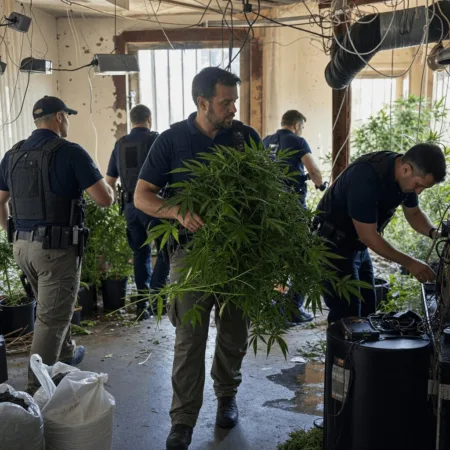
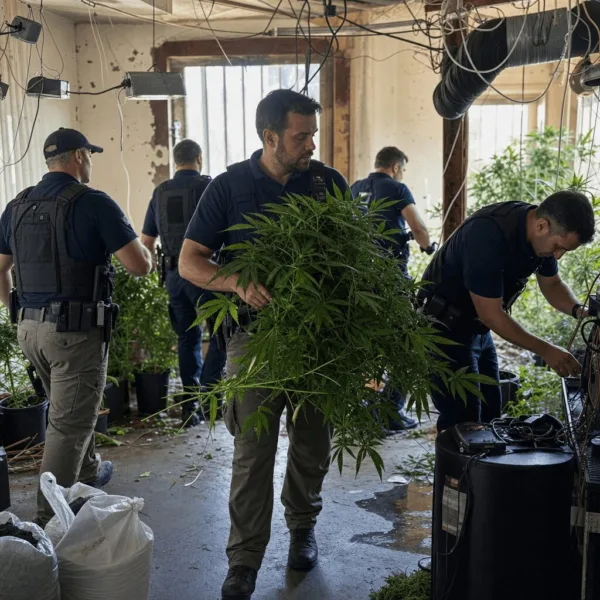
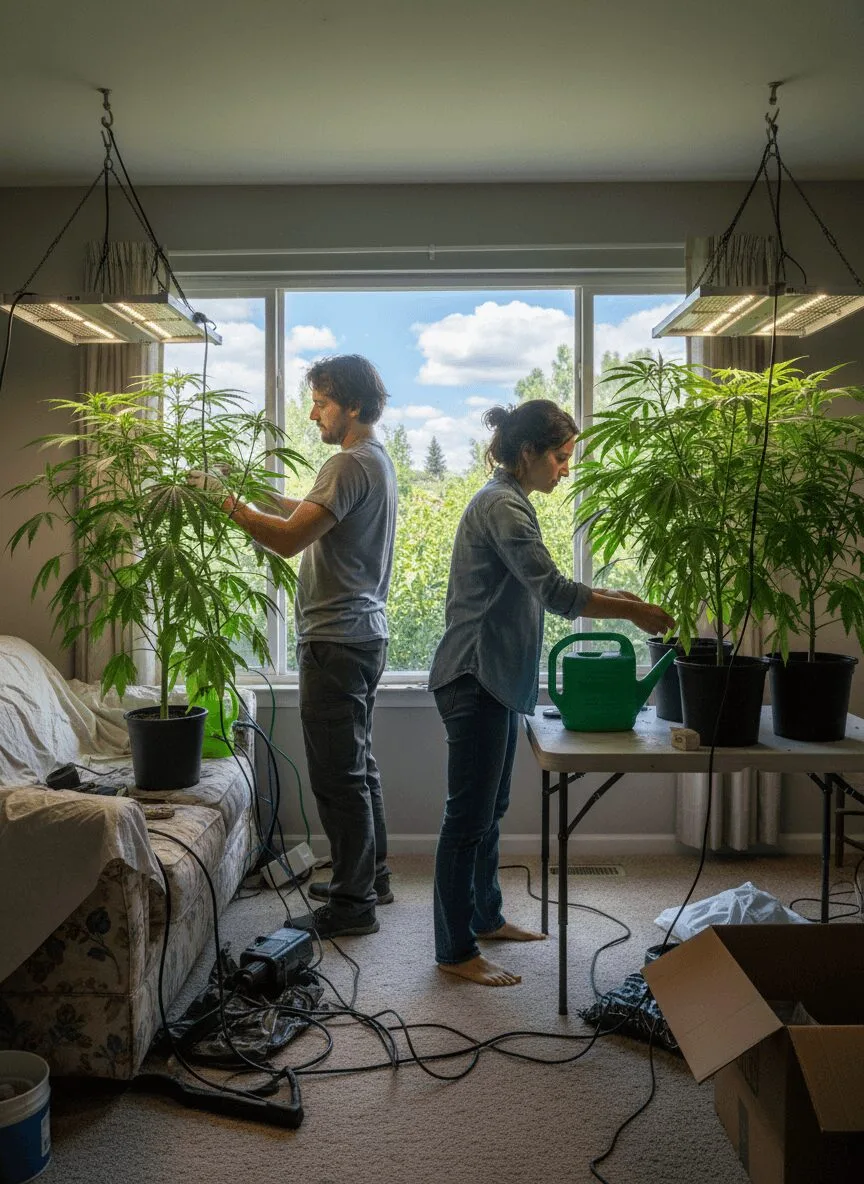
The latest flashpoint came when authorities raided a clandestine illegal marijuana grow house tucked in a Pittsburg suburb. First reported by KTVU News, law enforcement found the home’s living space overwhelmed by hydroponic equipment and a lush canopy of mature cannabis plants. Sources say the operation appeared hastily arranged, plastic sheeting, tangled extension cords, and makeshift tables suggested a rush to harvest.
Neighbors expressed shock but also a kind of weary resignation. Officers noted the telltale smell and excess utility usage tipped them off, common indicators of an illegal marijuana grow house. Pittsburg PD confirmed no licensed cultivation records for the address and confiscated several hundred plants, plus equipment. No violence was reported, but two suspects were detained and face charges ranging from illegal cultivation to potential property violations. The bust happened last week, reflecting continuing division between state reforms and everyday enforcement realities. These challenges around legal conflict and enforcement echo recent dramatic developments in regional drug enforcement, such as the situation detailed in an Alabama community rocked by significant drug arrests, underscoring how these events continue to shape public perception and policy response.
Expert Analysis & Industry Insights: What the Pittsburg Bust Tells Us About Today’s Cannabis Landscape
Let’s be blunt, illegal marijuana grow houses aren’t going away as long as well-intentioned people have to choose between impossible licensing and risky DIY set-ups. Cannabis industry expert Amanda Reiman, writing for Leafly News, cautions, “Cracking down on small home growers won’t end the illegal market, making regulated supply safer, easier, and affordable will.”
Observers point out that regulatory hoops are the single biggest driver of makeshift illegal marijuana grow houses. Communities want public safety, but heavy-handed policing can push cultivation deeper underground, undermining transparency and oversight. Furthermore, critics argue enforcement disproportionately affects renters, immigrants, and low-income homeowners who lack the resources for legal compliance. Open dialogue and smarter, tiered licensing—as highlighted by NORML—promote both safety and social justice. The ongoing debate around marijuana reform and grassroots protests, such as the grassroots action seen in Michigan’s cannabis advocacy efforts, reminds us that community-led change can play a crucial role in shaping the future of cannabis regulation and enforcement.
A Greener Future: Smarter Policy, Safer Communities, and the End of the Illegal Marijuana Grow House
So, what’s next after another illegal marijuana grow house bust? For all its drama, this story exposes the real challenge: reforming laws and systems so that no one has to risk jail just to work with plants. Public opinion continues to swing in favor of regulated cannabis, with Pew Research Center showing growing acceptance across ages and backgrounds. As states continue to iron out regulatory kinks and the feds flirt with reform, hope rises for a future of safe, legitimate cultivation. Informed policy and fair access remain key, promising a time when an illegal marijuana grow house is just a relic of prohibition’s past.
Originally reported by: ktvu.com