





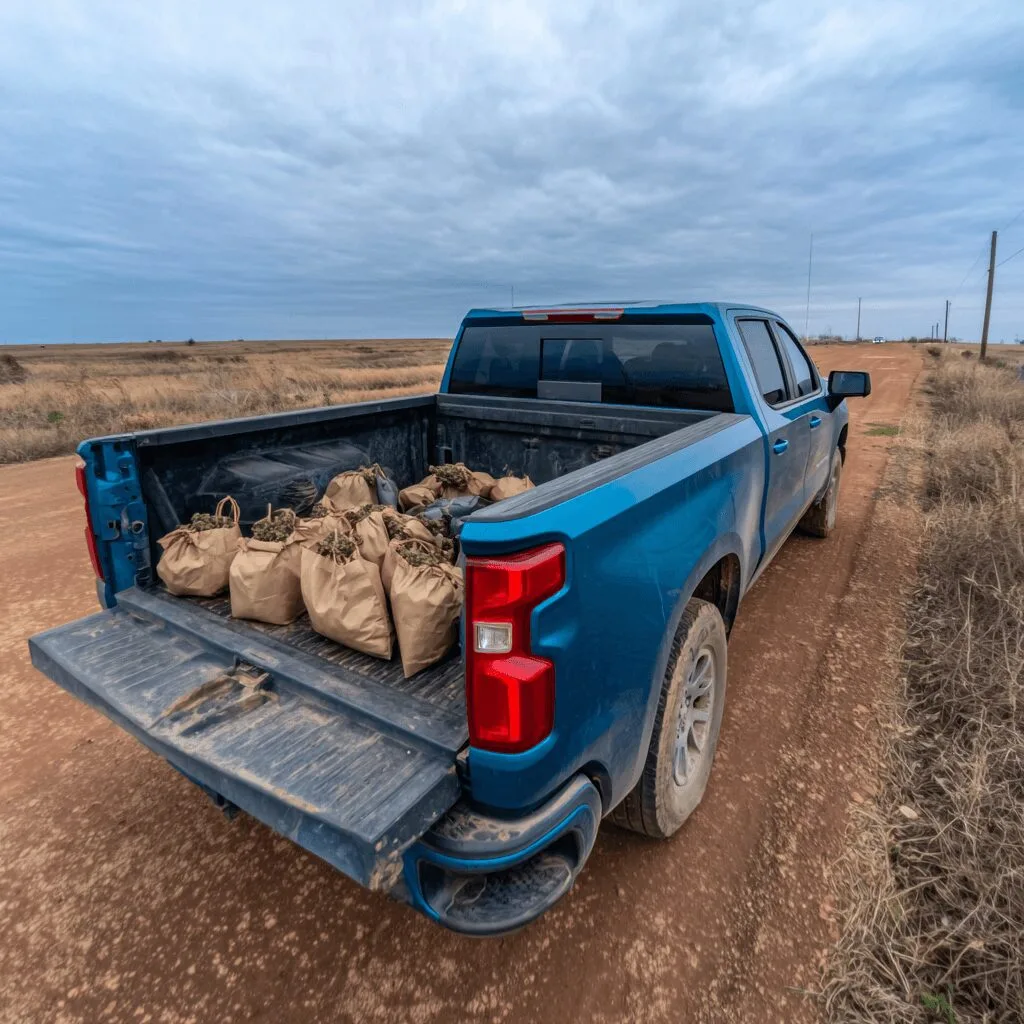
Illegal marijuana trafficking Oklahoma Texas: Hidden truths exposed
The story of illegal marijuana trafficking Oklahoma Texas isn’t just clickbait—it’s an urgent issue shaping real lives across two states. As Oklahoma’s once-welcoming cannabis laws collide with Texas’ strict prohibition, enterprising traffickers have turned the border region into a key battleground. From massive law enforcement crackdowns and evolving legal gray zones, to the flood of illicit cannabis upending markets and public safety, this explosive trend is making headlines and forcing big changes. In this piece, I’ll break down what’s really happening, provide inside context, and share how the cannabis industry—and our communities—are scrambling to respond. Expect candor, clarity, and a dose of blunt industry wisdom (pun intended) as we unravel the illegal marijuana trafficking Oklahoma Texas saga.
Unpacking the Backstory: Laws, Loopholes, and Market Pressures
To make sense of the illegal marijuana trafficking Oklahoma Texas surge, you have to know the policy backstory. Oklahoma, in a stunning shift, went from zero to hero with some of the nation’s most lenient medical cannabis laws back in 2018 (NORML reports). By comparison, Texas is still stubbornly prohibitionist, as medical use is extremely limited and THC caps remain low (Texas Tribune). This border mismatch created a ‘green rush’ in Oklahoma: over 2,800 licensed growers and endless legal loopholes. But as legal grows ballooned, so did shadowy actors gaming the system. The legal market’s rapid expansion outpaced enforcement, turning Oklahoma into an accidental export hub for illicit weed, especially into neighboring Texas where street prices remain sky-high (Leafly). National attention has turned to innovations in cannabis policy, as public conversations around supply, demand, and regulatory gaps mirror those trending in major industry discussions. Add in rural geography, tight-knit networks, and lax oversight, and you’ve got all the ingredients for a thriving underground pipeline.
Big Busts, Shifty Networks: What’s Actually Happening on the Ground
Recent months have seen headline-making busts and tightening screws from both states. According to a KXII News investigation, Oklahoma-grown marijuana is pouring across the Red River, with Texan authorities intercepting loads by the truckful, sometimes seizing hundreds of pounds at a time. In December 2025, local and federal agents shut down several grows in Carter County, Oklahoma, connected to trafficking rings funneling product south. The Oklahoma Bureau of Narcotics told reporters that criminal organizations are “posing as legal growers,” exploiting ownership loopholes and using forged paperwork to mask illicit shipments. Meanwhile, the Texas Department of Public Safety says street-level distribution networks have grown increasingly organized, relying on high-mileage pickups and rural crossings. Busts reminiscent of headlines like those involving Springfield arrests for marijuana distribution involving minors underscore the complex legal landscape. Growers arrested frequently claim they believed they were operating legally. The crackdown isn’t just about marijuana, law enforcement is seizing firearms, money, and expatriates from across the globe, exposing just how global the illegal marijuana trafficking Oklahoma Texas trade has become.
Expert Take: Why These Trends Matter (and What Solutions Exist)
The illegal marijuana trafficking Oklahoma Texas pipeline exposes deep flaws in patchwork legalization. According to Marijuana Moment, “Whenever bordering states have radically different policies on cannabis, organized crime will fill the supply gap,” a fact echoed by Dr. Morgan Fox of the National Cannabis Industry Association, who states, “Prohibition in one state almost guarantees incentive for black market activity in a neighboring legal state.” As enforcement increases and penalties pile up, experts warn that real progress lies in regulatory reform—not just crackdowns. Smarter licensing, robust track-and-trace, and clearer residency requirements (something Oklahoma is finally ramping up) could slow the illegal marijuana trafficking Oklahoma Texas cycle. Industry leaders urge collaborative data-sharing and honest conversations between border-state regulators, as echoed in the latest predictions on cannabis industry policy shifts. At the grassroots level, market demand in Texas remains sky-high. Until state laws harmonize, say longtime analysts, illicit actors will keep taking risks to supply eager consumers, no matter how many roadblocks get thrown up. As the cannabis industry matures, bridging the legal divide across state lines remains an unavoidable priority.
Looking Ahead: Reform, Growth, and Hope Beyond the Haze
The illegal marijuana trafficking Oklahoma Texas conundrum highlights bigger truths about America’s uneven path to legalization. Despite setbacks and scary headlines, the cannabis sector remains resilient—and steadily mainstream. Oklahoma is finally rolling out stricter oversight, while Texas activists are inching towards broader medical acceptance (even if it’s a long, slow climb). Nationally, New Frontier Data projects record-breaking growth for the legal industry and increasing bipartisan support for reform. If regulatory gaps shrink and honest players get a fair shake, border drama will fade—and communities will benefit. For now, the story isn’t just smuggling and stings. It’s also about dialogue, transparency, and building sensible policies that protect both public safety and responsible industry growth. As the dust settles on the illegal marijuana trafficking Oklahoma Texas saga, hope remains high for smarter, more humane cannabis policy ahead.
Originally reported by: kxii.com



1 Comment
Pingback: Pennsylvania hemp regulations: What’s changing right now?