Illegal Marijuana Grow Federal Way: Shocking Raid Revealed
The spotlight recently landed on Federal Way after a major law enforcement bust shook Washington’s cannabis scene. This incident—surrounding an illegal marijuana grow Federal Way—raises big questions about regulation, public safety, and how the cannabis evolution is playing out on the ground. With the West Coast leading weed’s normalization, uncovering these illicit operations couldn’t come at a more relevant moment. Let’s break down what happened, what it really means for the community, and why this story matters for anyone watching Washington’s ever-changing cannabis landscape.
Regulatory & Social Context: The Realities Behind the Illegal Marijuana Grow Federal Way
Washington State has led the pack for cannabis legalization since 2012, with adult-use sales bringing both tax revenue and tighter regulatory frameworks (Washington State Liquor and Cannabis Board). Despite a robust legal market, illicit grows persist. Why? Overregulation, high taxation, and costly compliance requirements often make legal cultivation a tough game for smaller players, so underground markets haven’t vanished. This issue is happening in other legal states too, as seen by how tax pressures and compliance obstacles shape dispensary realities in the modern industry landscape. According to New Frontier Data, the state’s strict licensing and traceability systems create high barriers to entry, even as consumer demand rises statewide. Socially, many longtime growers—once ostracized, now partly embraced—find themselves in a legal gray zone. Meanwhile, cities like Federal Way face a complex mix of real estate, community acceptance, and law enforcement scrutiny, keeping the shadow of illegal marijuana grow Federal Way operations very much alive.
The Bust: What Went Down at the Illegal Marijuana Grow Federal Way
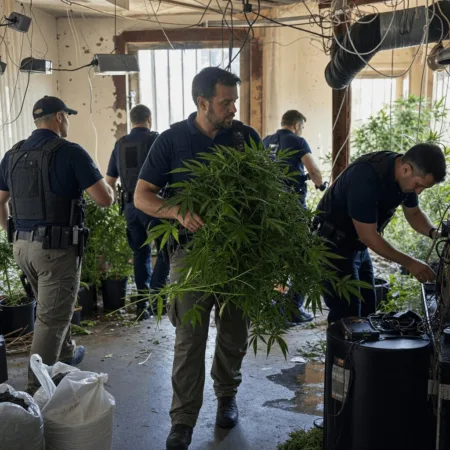
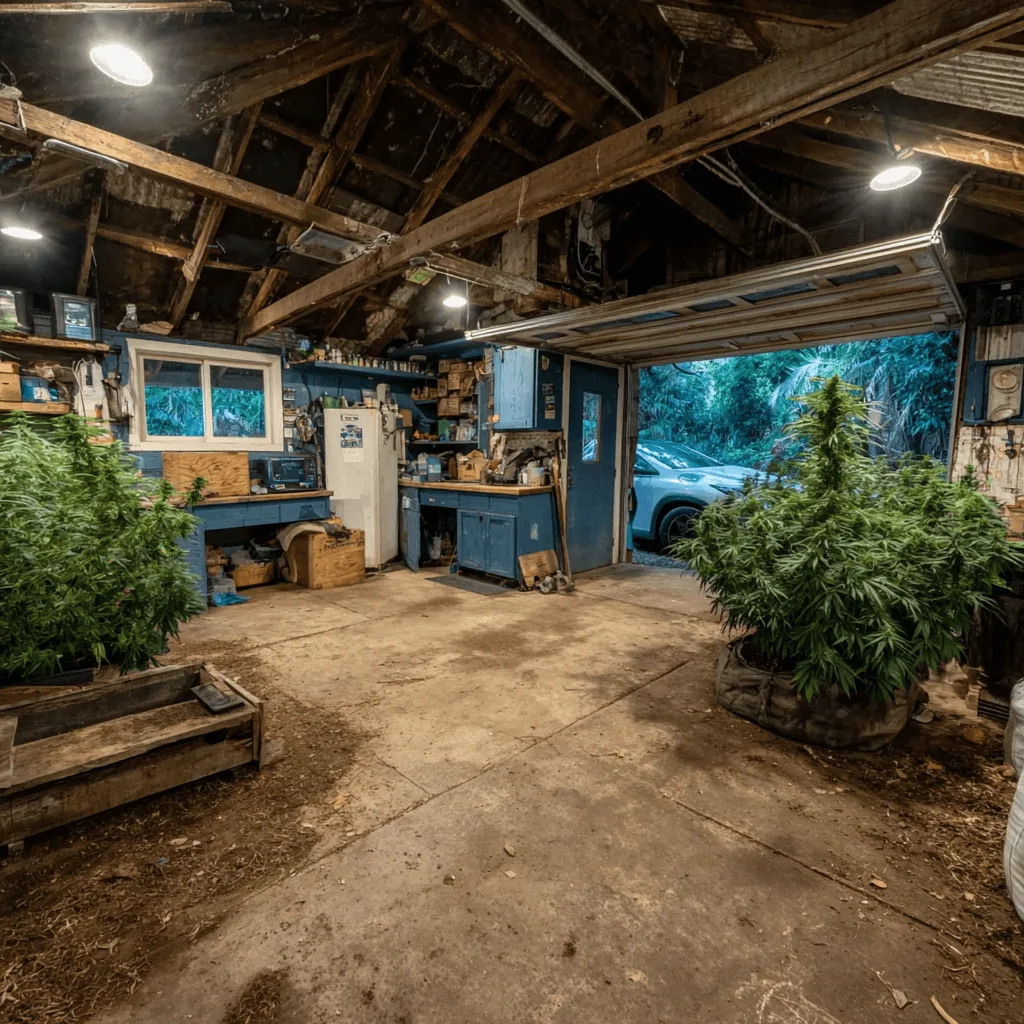
In early June, local and federal agents executed a search warrant at a residential property in Federal Way, revealing an illegal marijuana grow Federal Way with several hundred unregistered plants cultivated behind closed doors. According to the Kent Reporter, authorities discovered a makeshift setup: grow lights jury-rigged above crowded plants, dozens of soil bags, and household gardening tools packed into a previously nondescript garage. No license, no testing, no tracking system—everything classic about a black-market grow. This pattern of large-scale illegal cultivation operations being exposed was also seen in the recent Ashfield marijuana plant seizure case. While no company names were disclosed, legal filings cited violations of state cannabis statutes and federal drug laws. Confiscated evidence is now in the hands of local law enforcement and the Washington State Liquor and Cannabis Board. Officials are reviewing potential connections to larger criminal networks, as well as the risk to neighborhood safety and the legal market’s competitiveness.
Expert Perspective: What the Federal Way Bust Tells Us About Industry Trends
While some headlines stoke fear, many industry insiders see this as a symptom of regulatory growing pains rather than broad criminality. As Marijuana Moment reports, illicit cultivation still accounts for a sizable share of supply even in legal states, driven by high overhead, strict zoning, and prohibitively expensive permits. “Criminalizing small-time growers while ignoring the high barriers they face is not a path to equity. Regulatory evolution and restorative justice are essential,” says Shaleen Title, co-founder of the Parabola Center and a noted legal reform advocate (Parabola Center). Enforcement strategies in different states, such as Texas, have also prompted debate, as highlighted in the conversation around a major cannabis bust in Waller. The Federal Way case highlights that until policy genuinely supports both safe access and inclusion, illegal marijuana grow Federal Way stories will persist. Industry pros also warn that enforcement-heavy responses often miss key targets: overtaxation, limited licenses, and institutional barriers driving growers outside the legal system.
What’s Next? A Hopeful Outlook for Cannabis in Federal Way and Beyond
The future of Washington’s cannabis industry remains promising—even in the face of incidents like this illegal marijuana grow Federal Way raid. Increased transparency, smarter regulation, and broader participation are gradually shaping a more inclusive market. As NORML notes, ongoing legislative reforms point toward greater social equity and safer, better-regulated cannabis for all. Federal Way and similar communities are uniquely positioned to benefit from this progress—if lessons learned from such enforcement actions fuel proactive, common-sense reforms. Cannabis culture—both legal and legacy—will keep adapting, growing, and yes, sometimes getting a little messy. But that’s just how progress buds.
Originally reported by: kentreporter.com