





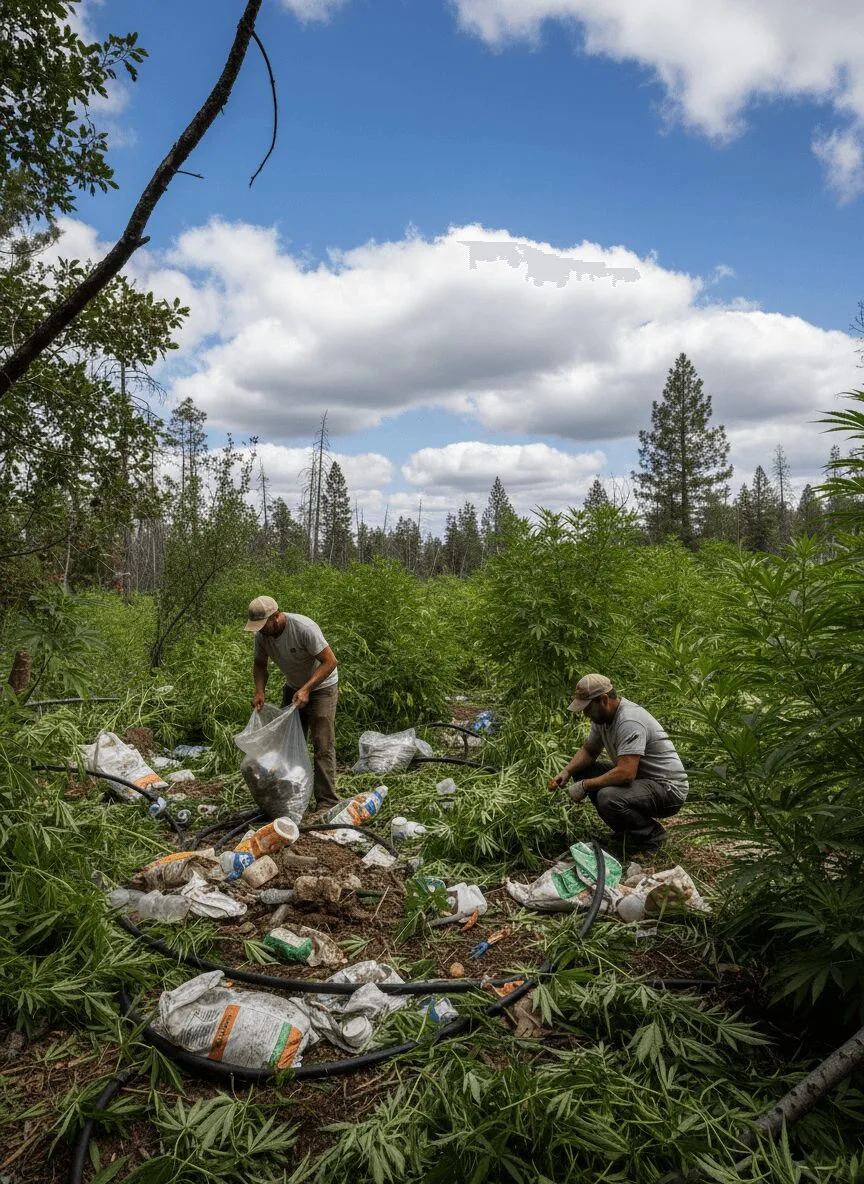
Illegal cannabis farm pollution: The toxic reality exposed
Talk about a buzzkill. While California loves its green, illegal cannabis farm pollution has become the state’s worst-kept secret—threatening fragile ecosystems and endangering public land. With unlicensed grows multiplying in remote forests, leaking toxic chemicals, and mucking up waterways, environmentalists and regulators are sounding the alarm. In this article, we’ll break down why illegal cannabis farm pollution is dominating California headlines, what it really means for the industry, and how those in the know are fighting back to preserve both weed culture and the wilderness.
How Did We Get Here? Understanding the Roots of Illegal Cannabis Farm Pollution
California’s market is a wild jungle, literally and figuratively. Ever since the state legalized adult-use cannabis in 2016, a patchwork of complex regulations and local policies has created both opportunity and confusion (California Department of Cannabis Control). Legal grows face steep taxes, permitting headaches, and red tape, much like regulatory challenges experienced elsewhere in the nation as explored in the broader discussion of America’s marijuana problems. This has left room for a thriving underground market, especially in remote, forested areas. These illegal operations avoid costly compliance, environmental protections, and oversight. They operate where authorities struggle with enforcement, often deep in state and federal lands. According to EPA officials, unlicensed farms have been caught using banned pesticides, diverting streams, and risking wildfires, piling up fines nobody pays. At the same time, legacy growers—some with deep roots going back to the 70s—face boxed-in legal channels, squeezing market margins and feeding a black market fueled by high consumer demand. This gray zone cultivates illegal cannabis farm pollution, unleashing environmental risks alongside untracked weed.
Dirty Details: Major Developments & Issues in Illegal Cannabis Farm Pollution
This year, investigative reports and environmental watchdogs like CalMatters revealed that California’s illegal cannabis grows aren’t just a backcountry anecdote, they’re a crisis. Surveys in 2023 found that tens of thousands of acres of public woodland were damaged by makeshift grows, with irrigation hoses rerouting streams, piles of fertilizer-laced trash, and toxic chemicals leaching into drinking water supplies. The U.S. Forest Service reported more than 1,100 illegal grow sites busted in 2023 alone, uncovering everything from carbofuran pesticides (banned for wildlife toxicity) to uncollected waste. Local sheriffs and task forces, working with groups like the California Department of Fish and Wildlife, have repeatedly warned that poisoned water threatens rare species and downstream communities. The impact is particularly bad in counties like Trinity, Humboldt, and Mendocino (the Emerald Triangle), where state and federal raids have become routine. Recent regulatory updates in other states, such as tax changes in the Colorado cannabis market, show how evolving policies can shape the industry in different regions. Civil penalties and criminal prosecutions are rising, but enforcement lags way behind the scale of illegal activity. Even where demolition teams clear out toxic sites, rehabilitation of poisoned soil and disrupted creeks can take years, with long-term effects lingering long after the harvests are gone.
Expert Analysis, Hard Truths & High-Hopes for Sustainable Cannabis
Ask around, and everyone agrees, illegal cannabis farm pollution is bad news for California’s image and environment. But why has enforcement failed to stamp it out? Industry analysts at Leafly point to over-regulation and taxation as root causes, making legal weed barely profitable and nudging legacy operators underground. Many also look to regional efforts to fix regulatory problems, like the recent shutdown of Oklahoma’s medical marijuana program, to see what impacts these approaches might have. Dr. Amanda Reiman, a respected policy researcher, told Marijuana Moment: “When the rules favor big business and squeeze the little guys, you’re going to see a shadow market, and it leaves a mess no one wants to clean up.” Many believe reforming taxation and creating amnesty pathways for small growers would bring more players into the legal fold, reducing pressure on the land. Environmental groups note that legal cannabis farms, regulated by agencies like California Water Boards, face strict water conservation rules and pesticide bans, all of which drastically cut pollution. The state now offers grants for site remediation and reforestation where illegal farms have done the most harm. Major cannabis advocacy groups continue to push for consumer education, urging buyers to prioritize responsibly grown, tested, licensed cannabis as a way to undercut illegal polluters.
“Legalization only works if consumers and farmers alike buy into the environmental rules,”
says Dale Gieringer of NORML.
Looking Forward: Can California Turn the Tide on Cannabis Pollution?
Still, despite the ugly headlines, California’s cannabis industry is maturing. New technology for tracking supply chains, easier licensing pathways for small growers, and stepped-up environmental enforcement are all making a difference, albeit slowly. According to California Economic Policy Institute analysts, increased regulatory flexibility and public education will likely shrink the illegal market—and, by extension, illegal cannabis farm pollution—over the next few years. As legalization becomes more normalized and social stigma fades, consumers are empowered to demand sustainable practices from both growers and sellers. If the industry keeps pushing for reform, thinks seriously about its ecological footprint, and works hand in hand with environmental groups, the future stays bright. After all, as cannabis culture goes mainstream, clean green is the name of the game: a future where wildlands and weed can truly coexist.
Originally reported by: calmatters.org


