


Ibogaine Psychedelic Therapy: Real-Life Transformation Stories
With the mental health world buzzing, the rise of ibogaine psychedelic therapy is making major headlines. Right now, there’s a renewed surge in attention due to real-life transformation stories, recent legislative shifts, and an evolving societal vibe. People are tired of the same old approaches, and they’re searching for therapies that break the mold. As ibogaine psychedelic therapy steps into the spotlight, advocates and skeptics alike are digging into its life-changing impact, challenging the boundaries of what’s possible in trauma and mental health recovery. Let’s break down why this trend matters, the latest facts, and why cannabis culture is keeping an eye on the psychedelic revolution.
The Regulatory & Social Backdrop of Psychedelics and Cannabis
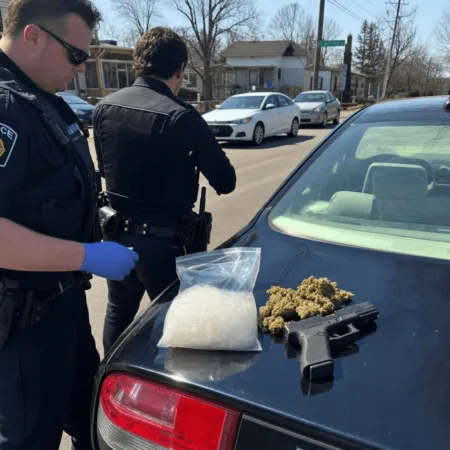
For decades, tightly wound regulations have held back both cannabis and psychedelics, relegating much of their use to underground circles. However, attitudes are shifting. In the US, cities like Denver and Oakland have decriminalized certain natural psychedelics, while states such as Oregon have piloted legal therapeutic uses (Oregon Health Authority). Public debate is heated: traditionalists view substances like ibogaine through a skeptical lens, but evidence accumulates for the benefits of ibogaine psychedelic therapy when done safely and clinically. With shifting laws and public perception, local stories such as recent local busts and arrest reports continue to shed light on the ongoing complexity of cannabis laws nationwide. The cannabis community, no stranger to legal headwinds, knows what it’s like to watch public perception evolve, and now we’re seeing the same groundswell with psychedelics. Still, federally, psychedelics like ibogaine remain Schedule I, reflecting complex legal and funding hurdles, yet recent congressional conversations suggest change is coming. It’s a patchwork of progress, state, city, and federal laws rarely align, but the culture is undeniably shifting.
Key Developments: Ibogaine Psychedelic Therapy Making Waves
Let’s get into the down-to-earth details. In March 2026, a ground-shaking feature from the New York Times spotlighted several real-world journeys of folks who turned to ibogaine psychedelic therapy for major life changes. In one standout case, a trauma survivor described how ibogaine sessions succeeded where years of traditional therapy stalled. These stories aren’t isolated. According to NYT’s reporting, clinics across Mexico and parts of Europe are expanding access to ibogaine, navigating challenging legal frameworks in pursuit of safer, more accessible treatment. The article highlights ongoing clinical research in the US, with institutions like the National Institute of Mental Health noting early but profound outcomes in PTSD and treatment-resistant addiction cases. Despite ibogaine’s Schedule I status, medical tourism is on the rise, with Americans traveling for legal sessions abroad. There’s tension and optimism, but the consensus is something’s changing, and the impact is being felt far beyond fringe communities. Insurers are inching closer to covering psychedelic therapies, and biotech start-ups, like MindMed and ATAI Life Sciences, are investing serious capital to prove ibogaine’s clinical value. This mirrors new opportunities emerging in the cannabis field, as shown by the evolving cannabis job market and future opportunities.
Expert Insights & Broader Cannabis Industry Perspective
From a cannabis advocate’s view, the rise of ibogaine psychedelic therapy is hitting familiar notes: stigma, regulatory whiplash, and breakthrough science shaking the status quo. Dr. Rachel Knox, certified cannabinoid medicine specialist, told Forbes, “Cannabis and psychedelics are following parallel paths, both challenge old fears, but both offer immense therapeutic potential.” This transition is more than headlines, it’s about real people needing better care. The cannabis industry learned the power of persistent advocacy, honest research, and community support. Likewise, ibogaine psychedelic therapy’s emerging track record in treating trauma, addiction, and mood disorders shows enormous promise. Given the community impact from recent local cannabis store openings and their effect on neighborhoods, industry trendwatchers report that cross-disciplinary clinics are becoming more common, connecting lessons from medical cannabis implementation with psychedelic therapy rollouts. Major conferences, like the Psychedelic Science conference, now regularly involve cannabis professionals and psychedelic advocates under the same roof, exchanging knowledge on safety, dosing, set-and-setting, and harm reduction. Still, the real story is people, people trying to feel whole again, willing to try new paths when old maps failed them.
Looking Forward: The Future of Ibogaine Psychedelic Therapy and Cannabis
Seeing the transformational impact of ibogaine psychedelic therapy, it’s hard not to feel hopeful—even if we’ve still got legal and logistical mazes to navigate. As state and national regulators warm up to alternative therapies (NORML), both cannabis and ibogaine psychedelic therapy are poised for wider acceptance. The cannabis world taught us to amplify real voices, push for evidence-driven reform, and never give up on changing hearts and laws. The coming years will see increased research funding, clearer guidelines, and—most importantly—more access for people who need help. And honestly, that’s what this movement’s all about. Whether you’re lighting up or seeking hope in new therapies, it’s the lived experience that leads the way.
Originally reported by: nytimes.com