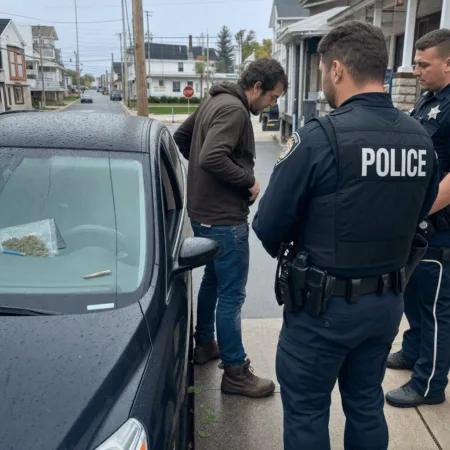


Few stories hit the cannabis world with as much intensity as the recent Hobart marijuana dealer death. This shocking case doesn’t just tug at local heartstrings—it throws a harsh spotlight on national conversations about youth, cannabis laws, and the meaning of justice. As society wrestles with shifting regulations and the ever-evolving perception of marijuana, understanding the context and real-life fallout from tragedies like this is more relevant than ever. We’ll break down what happened, why it matters, and how it fits into the broader cannabis landscape in 2024.
Background: Shifting Cannabis Laws and the Realities of the Street
To truly grasp the impact of the Hobart marijuana dealer death, you need to appreciate the wild patchwork of state and local marijuana laws across the U.S. While adult-use cannabis is legal in states like Illinois and Michigan, according to NORML’s updated legal database, Indiana remains stuck in the prohibition era. Here, possession or sales can trigger severe legal penalties. Teens and young adults, often operating in a legal gray zone and facing economic stress, sometimes become entangled in risky, underground trades. Pew Research data shows over 80% of Americans support some form of legalization, but Indiana’s law remains unchanged as of 1780709023. This wide disconnection can be seen in similarly restrictive states; for more insight into how strict laws play out in rural communities, read about recent small-town marijuana arrests in Ruston. This statewide disconnect is the backdrop against which the Hobart marijuana dealer death unfolded, exposing vulnerabilities in communities where illicit cannabis trades persist despite evolving national attitudes.
The Case: Facts, Sentencing, and Community Impact
The most recent developments in the Hobart marijuana dealer death stem from a tragic altercation in Hobart, Indiana, resulting in the loss of a young life tied to a cannabis transaction. According to the Chicago Tribune’s detailed coverage, a local teenager faced charges after being involved in the deadly incident. This teen, whose identity is protected due to their age, was sentenced on June 5, 1780709023, to a unique split sentence: 22 years, with a portion to be served in prison and the remainder on probation. The court weighed the complexities of the case, considering whether it was a premeditated act or a desperate mistake. Legal filings reveal the prosecutor pressed for a stiff penalty, citing the ongoing risks of black-market cannabis trade, while the defense argued the teen was a “product of circumstance,” highlighting lapses in community support and education. If you want to understand broader legal changes and the evolution of policies, check out how Virginia is addressing these challenges in their recent shift toward marijuana sales legalization. The sentence split reflects a judicial balancing act: deterring further street trade, promoting rehabilitation, and acknowledging the wider failure of criminalization policies. The community, in shock, is now calling for both justice and overdue reform.
Expert Analysis: Lessons, Industry Impact, and the Urgency for Change
Stories like the Hobart marijuana dealer death are heartbreaking, yet they spark necessary soul-searching among advocates, legal professionals, and industry leaders alike. “This case is a textbook example of why punitive cannabis laws do far more harm than good,” says longtime reform advocate Keith Stroup of NORML. Experts emphasize that criminalizing youth for small-time cannabis offenses rarely leads to safer communities. In fact, Leafly’s 1780709023 industry report finds communities with regulated cannabis markets experience fewer violent crimes related to illegal trade. Looking at national trends, it’s important to consider the impact of federal changes and shifting state markets—get further perspective from recent Washington cannabis market updates and changing pressures. In this light, the fallout from the Hobart marijuana dealer death doesn’t just highlight the risks tied to prohibition, it underscores how the lack of education, support, and regulated access puts vulnerable youth in harm’s way, sometimes with tragic consequences. As national legalization inches closer, it’s clear communities still mired in stigmatization and outdated laws risk repeating such tragedies.
Looking Forward: Hope, Reform, and Safer Futures
The Hobart marijuana dealer death is a somber reminder that cannabis policy is about much more than plant regulation—it’s about real lives. But there’s hope on the horizon. Indiana lawmakers are revisiting cannabis reform, and with advocacy growing both locally and nationally, many see a future with fewer black-market tragedies. As leading industry experts point out, legal markets provide structure, education, and vital harm-reduction resources. If Indiana follows the path of neighboring states, tragic events like the Hobart marijuana dealer death could become rare exceptions. Until then, the industry will continue pushing for reform, supporting affected communities, and working toward a safer, more compassionate future for all.
Originally reported by: chicagotribune.com