





Hemp THC Regulations: Why Congress & Alcohol Stakeholders Demand Change
Hemp THC regulations sit in the hot seat right now, thanks to mounting pressure from Congress, industry insiders, and—unexpectedly—the alcohol lobby. Recent surges in hemp-based THC products have alarmed lawmakers and traditional players alike. With federal crackdowns looming and markets shifting fast, the future of hemp regulation could make or break major sectors. Dive in to see why this subject is lighting up debates and what everyone—from policymakers to entrepreneurs—needs to know about the next chapter of hemp THC regulations.
How We Got Here: Hemp THC Regulations and a Rapidly Evolving Market
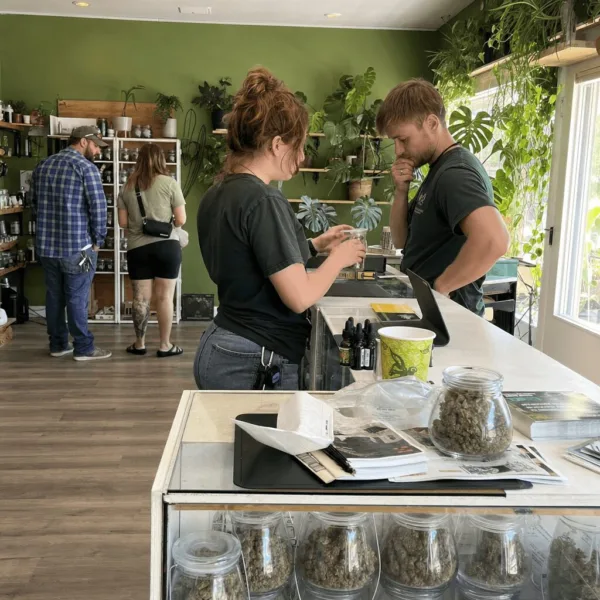
The story of hemp THC regulations is more tangled than a vintage stoner’s headphones. Since the 2018 Farm Bill legalized hemp (so long as its THC content remained below 0.3%), the market for hemp-derived cannabinoids like delta-8 and delta-10 has exploded. State lawmakers, regulatory agencies, and industry watchdogs have scrambled to keep up. According to Leafly, this growth left legal loopholes that producers have used to legally sell intoxicating hemp products, by chemically tweaking cannabinoids, nationwide. The FDA and state regulators such as those in Texas and New York have faced mounting challenges enforcing THC boundaries, while the U.S. Drug Enforcement Administration continues to watch from the sidelines. Meanwhile, public interest, and confusion, about hemp’s legal status and its regulatory gray areas is on the rise. The rapid proliferation of new products is stoking fears among traditional industries and reigniting calls for clear, science-based hemp THC regulations. For a look at how local governments are responding to these challenges, see this analysis of shifts in municipal cannabis retail rules.
Recent Moves: Congress, Alcohol Giants & the Looming Federal Clampdown
Here’s where the story gets interesting, and a little spicy. According to Marijuana Moment, heavyweights from the alcohol sector have joined forces with members of Congress to push for tighter, but fairer, hemp THC regulations. For the first time, former House Rep. Collin Peterson and major alcohol distributors are co-signing statements urging lawmakers to regulate, not prohibit, intoxicating hemp products. Their logic? Prohibition would only drive sales underground, nurturing an unregulated gray market and squeezing out responsible players.
- On June 5, 2024, alcohol trade groups, including the Wine & Spirits Wholesalers of America, issued a joint letter to Congress advocating for regulatory clarity over outright bans.
- Industry insiders, such as former lawmakers now working with the Coalition for Cannabis Policy, Education, and Regulation (CPEAR), argue that strict federal bans would cripple both small hemp startups and mainstream alcohol distributors who are entering the infused beverage space.
- Meanwhile, public hearings, including those held by the U.S. House Agriculture Committee, signal that regulators intend to close legal loopholes for psychoactive hemp products before the end of the current legislative session. For an inside look at hemp THC regulations as Congress debates the best path forward, read this detailed examination of the high-stakes Congressional showdown.
- States like Louisiana and Kentucky have begun drafting their own versions of hemp THC regulations, aiming to carve middle-ground compromises that recognize both consumer safety and industry innovation, as confirmed by Cannabis Law Report. For a closer look at how these changes impact local businesses, see how Kentucky is changing the game for local businesses.
The stakes are high (pun intended), with a federal ban possible this year, everyone from local hemp farmers to beverage powerhouses has a lot riding on a functional regulatory framework.
Inside the Regulatory Storm: Why Smart Hemp THC Regulations Matter
If you’ve been in the cannabis game for a minute, you know THC isn’t the villain, ambiguity is. Savvy stakeholders argue that common-sense hemp THC regulations would help weed out (pun definitely intended) bad actors, standardize dosing, and protect public health. Industry leaders echo this: “Outright prohibition simply doesn’t work. Clear, enforceable rules do,” says Andrew Freedman, Executive Director of CPEAR, interviewed by Benzinga. Freedman’s point lands, making hemp THC regulations clear, reliable, and science-driven helps legitimate businesses thrive while giving consumers accurate information. Plus, a well-run marketplace ups tax revenue, benefits the economy, and keeps things chill on the compliance front. According to Statista, hemp cannabinoid sales have reached billions in recent years, a figure that could balloon if legal clouds part. True regulation also means better product testing and less risk in the hands of the end-user. For perspective on how cannabis policy shifts impact everyday lives, read about the real outcomes of legalization across communities. Think of it as an evolution, the industry moving from wild west vibes to something like craft beer, innovative but responsible.
The Road Ahead: Growth, Reform, and a Greener Tomorrow
With the spotlight on hemp THC regulations and so many stakeholders invested, major changes feel inevitable. Where some see chaos, true believers see opportunity: for better laws, safer products, and a thriving, regulated market. The cannabis industry has always rolled with the punches—reliant on both patience and persistence. As the federal government and states navigate new regulatory territory, expect smarter systems that both honor innovation and protect the public. According to recent reporting by NORML, a majority of Americans now support sensible cannabis policies that focus on regulation rather than prohibition. So, spark some optimism: the future of hemp THC regulations looks promising for advocates, entrepreneurs, and consumers alike. Whatever comes next, it’s clear this conversation is far from over—and that’s something worth celebrating.
Originally reported by: marijuanamoment.net


1 Comment
Pingback: Missouri cannabis license regulations: What rule-breakers face