






hemp THC c-store category: The Industry’s Next Gold Rush?
Let’s be blunt—there’s real excitement swirling around the hemp THC c-store category lately. From coast to coast, convenience stores are fielding waves of new cannabinoid products, spurring heated debate among retailers, regulators, and canna-curious consumers. This fresh retail frontier isn’t just hype: regulatory updates, shifting consumer preferences, and evolving legal landscapes are fanning the flames. This article unpacks what’s driving the boom, how the regulatory chess game is unfolding, and why industry pros say this is one of the hottest market trends of 2024.
Regulatory Roots & Market Context: Hemp THC Finds Its Lane
Ask any cannabis policy geek, and they’ll tell you the rise of the hemp THC c-store category is tied directly to the 2018 Farm Bill (Congress.gov). That cornerstone law federally legalized hemp-derived cannabinoids, so long as THC content stays below 0.3% delta-9 THC on a dry weight basis. Since then, brands have gotten creative, introducing hemp-derived products that offer legal, psychoactive experiences akin to classic THC.
On the retail side, convenience stores have emerged as epicenters for cannabinoid innovation. The key driver? C-stores provide accessibility and normalization for mainstream audiences, making the hemp THC c-store category a pivotal bridge between legacy cannabis markets and everyday retail. Complicating matters, state-level patchworks have emerged, with states like Minnesota embracing low-dose edibles (Star Tribune), while others increase regulatory scrutiny. This regulatory zig-zag keeps retailers guessing, forcing a flexible, informed approach to the category’s rollout, reminiscent of unpredictabilities faced in the recent challenges with Massachusetts’ evolving marijuana ballot process.
Key Developments: The Current State of the Hemp THC C-Store Category
Recently, the hemp THC c-store category has erupted onto the scene. According to the National Association of Convenience Stores (NACS), stores have reported double-digit sales growth for hemp-derived cannabinoids over the past 12 months. Major chains are actively trialing or launching their own branded CBD, delta-8, and new low-dose delta-9 THC products. For example, some Texas-based retailers jumped in aggressively, taking advantage of state-level loopholes, while Illinois storeowners have advocated for clearer rules after local crackdowns. Issues around job security and compliance have also entered the conversation as stores adapt to new regulations, much like how worker protections have evolved to address rapid industry shifts.
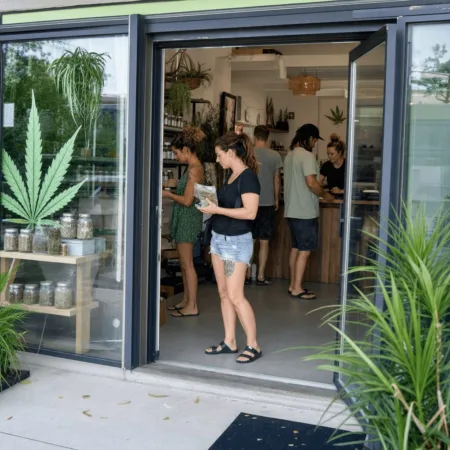
On the legal front, regulators from the U.S. Food & Drug Administration and various state agencies have begun issuing warnings about mislabeled or high-potency products. Meanwhile, advocacy groups and industry watchdogs push for standardized testing and clear labeling. The market is evolving rapidly, with new brands entering weekly. The cultural shift is impossible to miss, as products once hidden behind the counter are now featured alongside snacks, energy drinks, and standard quick-grab items, reflecting the mainstreaming of the hemp THC c-store category.
Expert Insights and Real-World Analysis: The Hemp THC Retail Wave
This isn’t your parents’ convenience store anymore, and that’s a good thing. Chris Walsh, CEO of MJBizDaily, recently told industry leaders, “The pace at which hemp-derived cannabinoids infiltrate conventional retail is nothing short of stunning. C-store operators are encountering a tidal wave of new customers seeking both wellness and recreational benefits”. That sentiment is echoed by analyses in Hemmings, who notes mainstream retailers are drawing in folks who might never set foot in a classic dispensary. Pro-cannabis advocates argue that the normalization of cannabinoids in c-stores is a major social win. It puts stigma in the rearview, while keeping adult-use products accessible, labeled, and under the watchful eyes of responsible retailers. Concerns remain around public safety and community impact, similar to debates about expanded community choices through Connecticut’s hybrid cannabis dispensary model. But challenges persist. Retailers must contend with inconsistent regulation, public safety questions, and the classic cannabis conundrum: educate your customers, or risk confusion and backlash. Still, industry consensus leans toward optimism, this is a high-growth vertical too big to ignore, and with the right oversight, it might be cannabis’s best chance to step into the mainstream.
Future Outlook: The Hemp THC C-Store Category’s Mainstream Moment
Where is this all heading? The hemp THC c-store category is set for explosive growth in 2024 and beyond, driven by consumer demand and innovative retail approaches. Leading analysts from Brightfield Group predict continued category expansion, so long as retailers stay nimble and proactive on compliance and education. The stigma around cannabinoids in everyday retail is finally cracking—more Americans are curious and open-minded than ever before. In the coming years, expect more regulatory clarity, bigger partnerships between mainstream brands and cannabis upstarts, and a retail landscape where grabbing a pack of THC gummies with your morning coffee is business as usual. That’s not just a win for the hemp THC c-store category, but for anyone who believes cannabis has a rightful place in the rhythm of daily American life.
Originally reported by: convenience.org


1 Comment
Pingback: Learn About the Federal Hemp THC Loophole Before It Closes