





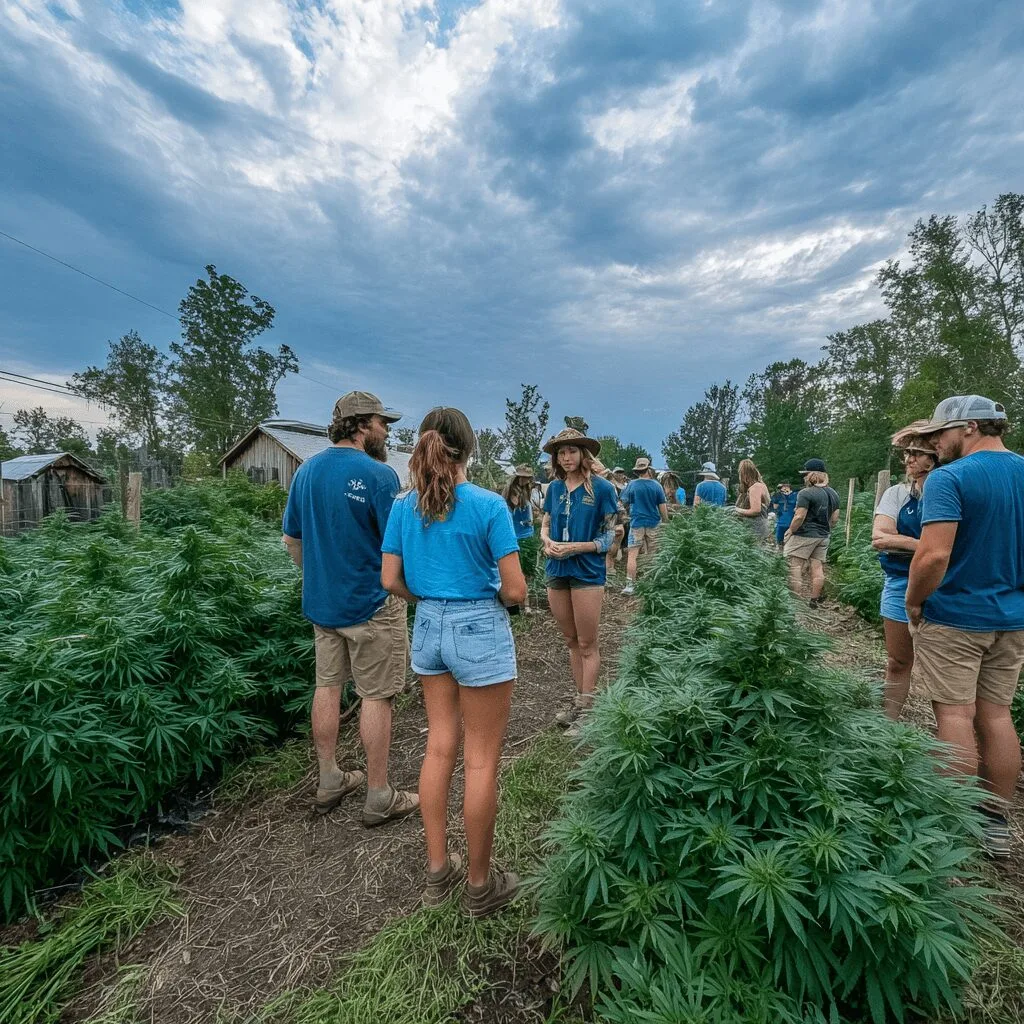
The cannabis industry in Washington is buzzing with more than just excitement lately—there’s real concern about hemp economy risks. With new reform laws in the spotlight, long-standing hemp farmers, cannabis operators, and local economies are all on edge. Why? Some recent decisions could disrupt Oregon and Washington’s unique synergy, potentially affecting the future of hemp nationwide. Dive in to understand what’s driving this shift, why it’s urgent, and how these hemp economy risks might impact the cannabis space well beyond state lines.
Understanding Hemp Economy Risks: Background & Context
Hemp, a cousin of cannabis, has been legally grown after the 2018 Farm Bill removed it from federal controlled substances. States like Washington and Oregon swiftly moved to build thriving local hemp markets, supplying everything from CBD to raw hemp materials. However, evolving federal guidelines and state-level reforms have made navigating these industries, and hemp economy risks, a complex legal dance. Industry watchdog Marijuana Moment reports that patchwork state rules, shifting interpretations of THC limits, and FDA uncertainty over CBD have left hemp farmers searching for stability. The uncertainty affecting producers in Washington and Oregon echoes broader changes across the United States, as seen in states like Tennessee where bipartisan efforts on reform are rapidly reshaping the cannabis landscape. This landscape means that every regulatory tweak sends shockwaves, especially when it comes to defining “hemp” versus “marijuana,” both chemically and in the eyes of law enforcement. Hemp economy risks aren’t just theoretical; they tie directly to jobs, rural economies, and agricultural investment across the Pacific Northwest.
Legislative Changes and Key Issues Shaking Up the Hemp Economy
The latest rift stems from recent cannabis reforms passed by Washington lawmakers in early 2024. Unlike Oregon, which continues to allow robust interstate hemp trade, Washington is poised to tighten restrictions on hemp-derived cannabinoids and regulate CBD food and beverages more aggressively. According to The Seattle Times, these moves come as concerns over intoxicating products like Delta-8 THC, legal under the 2018 Farm Bill but psychoactive, challenge traditional cannabis boundaries. One major legislative development, House Bill 2116, aims to restrict out-of-state hemp products and increase oversight of both hemp and marijuana supply chains. The ongoing drive for legislative reform also mirrors how states such as Ohio are seeing community advocates push for cannabis reform through grassroots ballot measures. The possible ban on certain hemp-derived products, along with stricter labeling requirements, has led industry reps to warn of lost revenue, farm closures, and new hemp economy risks for Washington’s rural communities. Reports also highlight mounting pressure on multi-state operators and farmers facing rapidly shifting compliance mandates. In short, while lawmakers claim these reforms prioritize public health, hemp stakeholders see their livelihoods put on the line.
Expert Analysis & Pro-Cannabis Counterpoints
From an industry insider’s point of view, these reforms are a double-edged sword. On the one hand, clarifying the rules can help keep bad actors out and protect consumers. But ignoring the nuanced distinction between hemp and psychoactive cannabis risks strangling a key segment of the market. According to industry analyst Jane West, quoted in Leafly, “Sensible hemp policy is vital for both rural farmers and consumers seeking safe, regulated products. Overregulation can tank an entire state’s hemp economy overnight.” Experts underscore that hemp economy risks are sharpened by debates occurring in other states, like what’s happening as advocates and lawmakers clash over cannabis reclassification in Alabama. With hemp economy risks on the rise, experts urge policymakers to learn from Oregon’s more progressive stance, which has kept hemp supply chains flexible and profitable. Balancing public safety, product innovation, and rural economic stability is tricky, but crushing hemp production isn’t a sustainable solution for the Pacific Northwest’s legendary cannabis ecosystem.
Looking Ahead: Navigating Hemp Economy Risks in Washington
Despite these regulatory headwinds, the cannabis industry’s resilience and adaptability shine through. Advocacy groups are rallying, pushing for reforms that will keep hemp viable without sacrificing consumer safety. Rural voices and craft operators continue to highlight the social and economic importance of hemp, citing market data from New Frontier Data showing positive long-term growth predictions. The coming months will be crucial as lawmakers, farmers, and business owners work together to find a common-sense solution. While hemp economy risks have reached a flashpoint in Washington, the broader cannabis movement remains strong—driven by innovation, increasing social acceptance, and a shared vision for a fairer marketplace. Stay tuned, because the future of hemp in Washington—and beyond—still holds plenty of promise.
Originally reported by: mitechnews.com


1 Comment
Pingback: Cannabis for Veteran PTSD: Groundbreaking Research Revealed