



Shocking Truth: The Hemp-Derived THC Ban Explained
If you’ve noticed new laws rolling through your state like a runaway blunt on a downhill slope, you’re not alone. The hemp-derived THC ban is making serious waves in the cannabis industry, lighting up heated debates in kitchens and boardrooms across the U.S. With more states tightening restrictions and Congress eyeing broader federal reforms, the stakes have never been higher. From small business owners to major hemp brands, everyone’s feeling the ripple effects. This article breaks down what’s fueling the hemp-derived THC ban, why it’s suddenly front-page news, and what it means for the future of cannabis – especially if you care about access, fairness, and freedom in hemp products.
Understanding the Roots: Regulatory and Social Background of the Hemp-Derived THC Ban
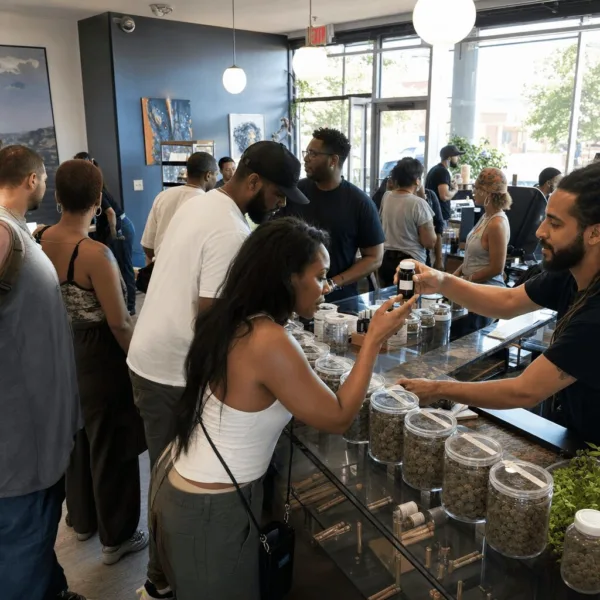
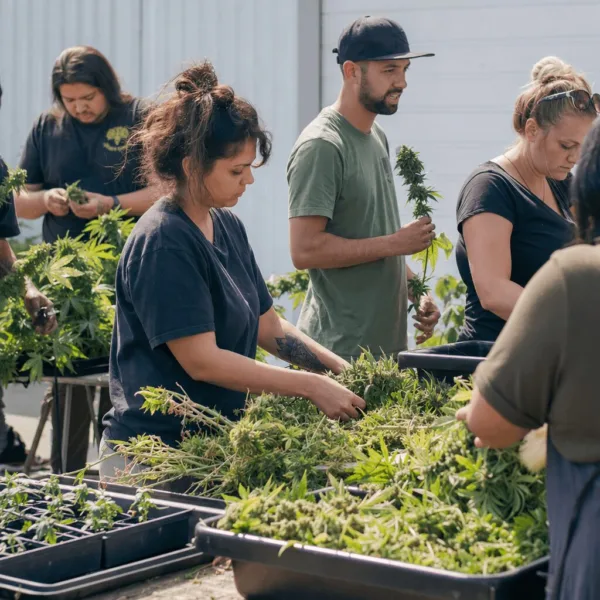
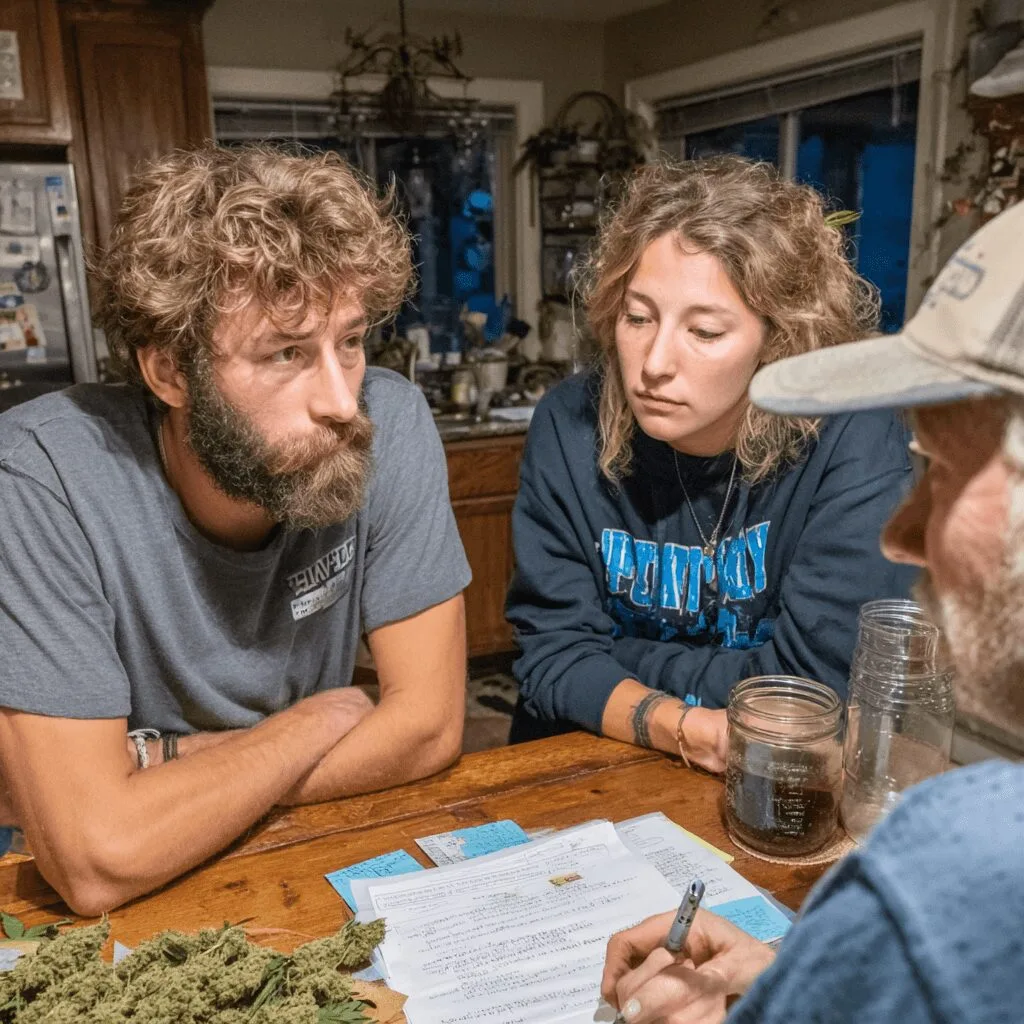
The hemp-derived THC ban didn’t appear out of thin air. To understand it, let’s roll back to the 2018 Farm Bill, which legalized hemp cultivation nationwide, provided THC levels were under 0.3%. Suddenly, minor cannabinoids like delta-8 and delta-10 THC exploded on shelves, offering legal highs that sidestepped traditional cannabis laws. As Forbes details, manufacturers quickly extracted, synthesized, and marketed hemp-derived THC options, making them accessible in states with stricter cannabis regulations. Politicians and regulators, spooked by a rapidly growing gray market and safety concerns, started crafting new rules to tighten control. State-by-state crackdowns followed, driven partly by pressure from legacy cannabis companies and anti-reform groups, as MJBizDaily reports. The result is a patchwork of laws, sending shockwaves through the hemp, CBD, and cannabis supply chains. Recent changes in federal definitions have created uncertainty for licensed operators, and understanding what changing hemp law at the federal level means for all is critical. Both supporters and critics argue over consumer safety, fair competition, and whether these new bans empower illicit markets or protect public health. Meanwhile, real people, farmers, shop owners, and patients are left navigating a legal maze more tangled than your favorite strain’s genetics.
Inside the Debate: Key Developments and Issues Driving the Hemp-Derived THC Ban
The current wave of hemp-derived THC bans can be traced to a perfect storm of legal maneuvering, industry infighting, and legislative confusion. According to MJBizDaily’s in-depth report, some of the country’s largest cannabis operators—nicknamed “The Cartel” by critics—are reportedly lobbying Congress to completely ban hemp-derived cannabinoids like delta-8 THC. Their goal? To solidify market dominance and limit competition from hemp-based producers. Recent draft language in the 2023 Farm Bill renewal specifically proposes shutting down loopholes that previously allowed psychoactive hemp products onto consumer shelves. This effort is backed by prominent anti-cannabis groups like Smart Approaches to Marijuana, according to Marijuana Moment.
Individual U.S. states are actively passing or considering legal bans, with Texas, New York, Colorado, and others passing their own restrictions, often under pressure from cannabis lobbyists. In June 2024, the U.S. Food and Drug Administration (FDA) also weighed in, flagging safety and labeling issues with unregulated hemp-derived THC products. The Hemp Industry Daily describes how these developments have forced legitimate hemp businesses to pivot rapidly or risk closure. Some small businesses claim these actions threaten local economies and patient access. Meanwhile, industry insiders warn that banning hemp-derived THC products can push users back to unregulated, potentially unsafe sources, highlighting the risk of misinformation and misleading signatures, much like recent concerns explained in the marijuana repeal campaign debate. Through it all, confusion remains: Can customers buy delta-8? Will full-spectrum CBD be affected? The only certainty is that rules are changing fast, and everyone from farmers to activists is scrambling to keep up.
Expert Analysis & Insights: Digging Deeper into the Hemp-Derived THC Ban
Here’s the real kicker: while the hemp-derived THC ban is technically about “public safety,” many believe it’s more about profit and protectionism. As Rolling Stone’s breakdown points out, big cannabis companies are worried about losing sales to versatile hemp shops, while lawmakers fear losing control over rapidly evolving markets. The tension is thick, kind of like that heady moment just before a joint rotation slows to a stop.
Dr. Ethan Russo, a renowned cannabis researcher, put it straight: “Bans rarely eliminate demand, they just move it underground and increase risk for everyone.” (Project CBD). The public, meanwhile, is voting with their wallets: hemp-derived THC still sells briskly where legal, showing that many adults prefer safe, tested, regulated options over prohibition-era uncertainties. Local economies and patient access also intersect with wider business initiatives, such as those seen in how business grants are shaping the cannabis sector in New Jersey. Simultaneously, patient communities and wellness advocates highlight the therapeutic potential of low-THC hemp products, arguing that sweeping bans ignore the nuanced needs of diverse consumers.
- The demand for clear federal standards grows louder as regulatory whiplash mounts.
- Industry experts highlight the need for strict lab testing, not outright bans, to ensure consumer safety and build trust.
- Meanwhile, legacy cannabis operators and hemp innovators continue to battle for their place in the evolving legal landscape.
It’s a complex dance: everyone claims to champion safety, but profit and politics are never far from the conversation. No matter where you stand, it’s clear that the outcome of the hemp-derived THC ban will set the tone for the next phase of American cannabis culture and commerce.
Future Outlook: Navigating Change and Hope Within the Hemp-Derived THC Ban
Despite headline-grabbing moves toward prohibition, hope isn’t on hold. Industry advocacy groups and grassroots leaders are building coalitions, demanding science-based regulation instead of blunt-force bans. Expansions in research, improved product testing, and ongoing federal discussions signal a maturing cannabis industry that’s here to stay, even as the hemp-derived THC ban reshapes the playing field. According to Leafly’s industry analysis, shifting regulations often spark innovation—a trait the cannabis world knows all too well. As more states reconsider their positions and the public stays vocally engaged, there’s real potential for fair, responsible cannabis reform that meets both consumer needs and safety goals. One thing’s for sure: cannabis, in all its forms, isn’t going away. If there’s one thing we’ve learned, it’s that this plant—and its passionate advocates—are resilient. The next chapters of the hemp-derived THC ban will likely feature even bigger debates, smarter regulations, and a growing community demanding commonsense cannabis laws nationwide.
Originally reported by: mjbizdaily.com

1 Comment
Pingback: Cannabis Stock Performance: October's Market Shakeup