





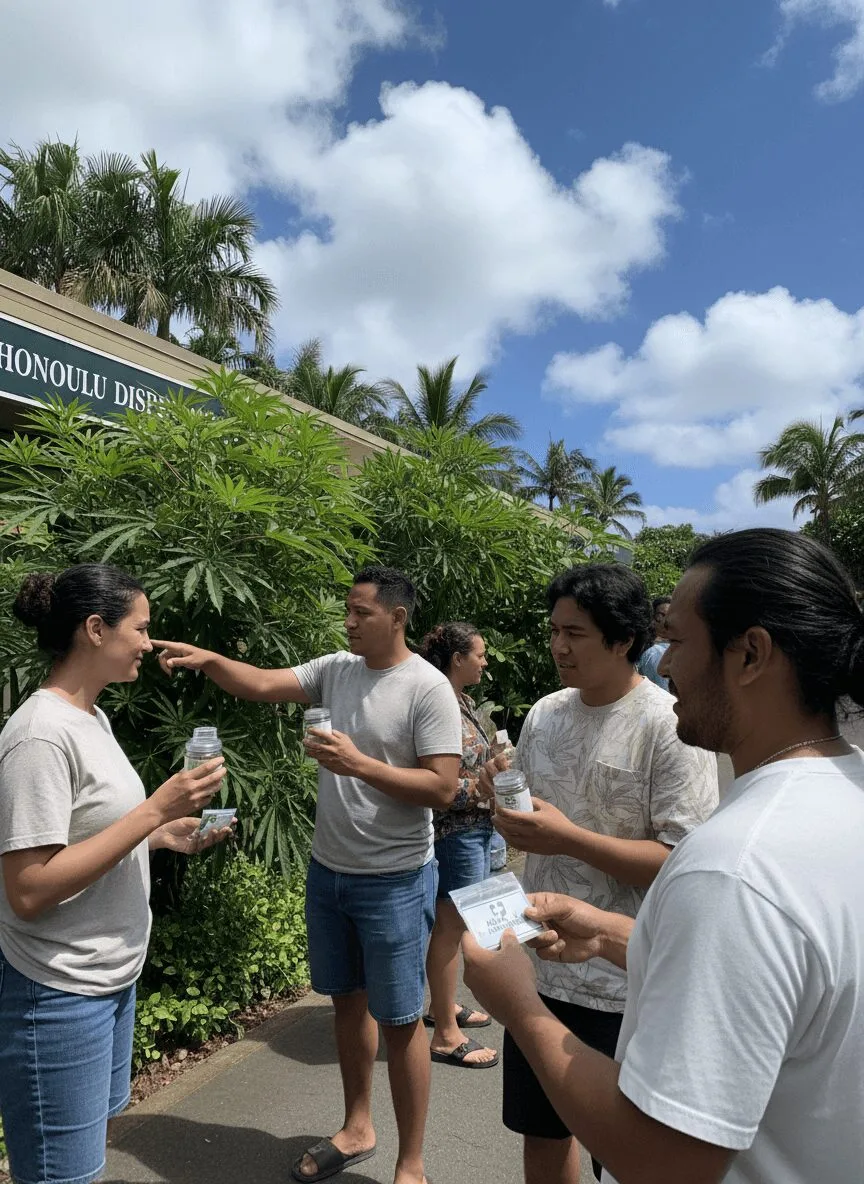
Hawaii medical cannabis program: Surprising trends revealed
The Hawaii medical cannabis program is entering a new era, showing unexpected growth and sparking urgent conversations statewide. With more residents than ever turning to medical cannabis, updated usage data, and new legislative discussions, what’s happening in Hawaii has big ramifications for both patients and industry players. The trends coming out of Hawaii offer vital lessons for anyone interested in how regulated cannabis markets shape real communities.
Understanding the Hawaii Medical Cannabis Program: Policy, Progress, and Public Perception
Hawaii’s medical cannabis program has been legal since 2000, making it one of the United States’ earliest adopters (National Conference of State Legislatures). The current system is regulated by the state Department of Health, which oversees patient registration, dispensary licensing, and product safety. Over the years, program expansions have allowed more qualifying conditions and introduced protections for patients. Social attitudes toward medical cannabis across Hawaii have grown increasingly supportive, reflecting broader U.S. trends (Pew Research Center). In similar news, cities across the U.S. have advanced local cannabis policy—like the recent developments in Manistee with the approval of marijuana retail licenses (community progress for cannabis). Recent debates within the Hawaii medical cannabis program focus on patient access, local dispensary caps, interstate reciprocity, and opportunities to transition into adult-use frameworks. In the context of post-pandemic health challenges and rising local demand, the Hawaii medical cannabis program stands at an inflection point, blending its historical roots with 2024’s market realities.
Key Developments: Participation Soars and Access Questions Emerge
According to a recent report by the Honolulu Star Advertiser, the Hawaii medical cannabis program has reached record enrollment, currently supporting over 34,000 registered patients as of February 2024. Dispensaries, including locally operated brands, are seeing a surge in customer volume. The report highlights that many new patients cite chronic pain, cancer, and anxiety as their main qualifying conditions. System upgrades this year have improved patient card processing times and brought the online registry into compliance with the latest state security standards. Industry insiders point out that this growth comes as the Hawaii legislature debates bills to expand qualifying conditions, with strong testimony from both medical professionals and patient groups. However, concerns remain about access for rural residents—some islands still have no physical dispensary, requiring inter-island travel for medicine. In other markets, rapid enrollment and regulatory evolution have also sparked legal battles, much like the recent Malden cannabis zoning legal decision (legal shifts in local cannabis zoning). The Star Advertiser report also referenced ongoing questions about affordability and the regulatory environment, especially as neighboring states modernize their own laws and industry practices.
Expert Analysis: Meaningful Growth, Clear Challenges, and National Context
Growth in the Hawaii medical cannabis program isn’t just a headline, it’s part of a larger story about medical cannabis normalization. States from Maine to California have seen huge public health effects as access increases (Cannabis Business Times). Hawaii mirrors those trends but faces local challenges with geography and health equity. As Dr. Chaminade Kalama, a Hawaii-based physician and longtime advocate, recently stated, “Hawaii’s program shows that when you reduce barriers to access, more people find relief within legal, regulated pathways.” (Hawaii Public Radio). She notes, however, that “true access means affordability and proximity—it’s not just about more patients, but serving every community fairly.” With program data showing 8% year-over-year growth, there’s real optimism about patient outcomes, particularly for chronic pain and cancer. Notably, national conversations highlight how medical and adult-use cannabis laws can help reduce opioid dependency (recreational cannabis and opioid reduction). Yet, industry leaders stress the importance of continued research partnerships and responsible regulation, so the program maintains integrity and benefits the whole state, not just Oahu. Nationally, similar programs have improved patient quality of life, reduced reliance on opioids, and boosted local business—not without controversy, but with compelling public health results. Hawaii is now being watched as a policy bellwether.
Future Outlook: The Hawaii Medical Cannabis Program’s Path Forward
The Hawaii medical cannabis program is set for even more impact as policymakers, clinicians, and industry advocates come together to fine-tune the system. Continued expansion of access, ongoing patient education, and potential movement towards broader adult-use measures could make Hawaii an innovation hub in the Pacific cannabis space. With participation climbing and social acceptance on the rise, Hawaii is positioning itself as both a model for other states and a uniquely local success story. As NORML and national experts suggest, strong regulatory frameworks and active community engagement will be key to sustainable growth. For patients, providers, and the entire 808 cannabis community, the real surprise may be just how vital and inclusive the Hawaii medical cannabis program becomes in years ahead.
Originally reported by: staradvertiser.com



1 Comment
Pingback: Nevada cannabis sales dip: What’s behind the $758M decline?