Hailey man rape marijuana arrest shocks Idaho community
Few headlines rattle a tight-knit town like the recent “Hailey man rape marijuana arrest.” The situation blends tough legal topics with Idaho’s ongoing challenge to modernize its drug laws. Community members are grappling with the unsettling reports and their impacts. As cannabis acceptance rises nationwide, this case throws a spotlight on local rules, public attitudes, and what comes next. Let’s break down the deeper context and why this story matters right now.
The Legal Landscape: Idaho’s Cannabis Zero-Tolerance and Social Backdrop
Idaho’s regulatory stance is about as cold as a January in Hailey, with no medical or recreational cannabis legal. State law classifies marijuana among Schedule I controlled substances, and even a small amount means criminal charges. Unlike its neighbors—such as Oregon and Washington, which have thriving cannabis industries, Idaho’s approach is strictly punitive. This plays out in law enforcement tactics, courtroom outcomes, and public attitudes. Idaho’s culture remains skeptical about legalization. According to the Pew Research Center, roughly 31% of Idahoans support adult-use cannabis, well below the national average. As Idahoan cannabis arrests persist despite shifting border policies, there are lessons to be learned from how other communities have responded to cannabis business regulation, such as efforts to clarify federal marijuana business laws, which shape the discussion in conservative states like Idaho. These realities set a high-stakes backdrop for the Hailey man rape marijuana arrest, amplifying its impact on local conversations.
The Hailey man rape marijuana arrest: Breaking Down the Core Events
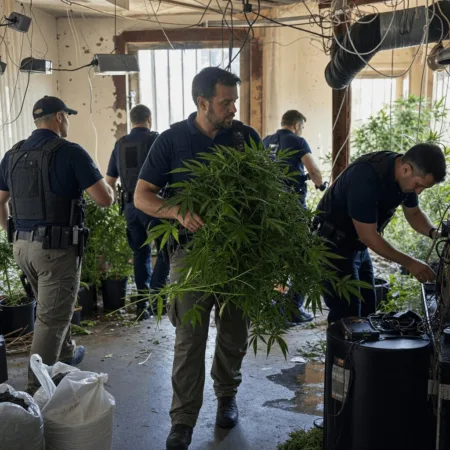
Local authorities in Hailey, Idaho, made an arrest in early June 2024, confirmed by KTVB. Police executed the Hailey man rape marijuana arrest at a modest Hailey residence after multiple agencies coordinated a sting. Law enforcement officers seized what they identified as trafficked marijuana, detailing multiple felony charges—rape and marijuana trafficking. The suspect, a middle-aged local man, was apprehended at his home, where officers cataloged clear bags packed with cannabis, confirming suspicions of distribution. The arrest was swift and happened midday, involving both local and regional law enforcement support. While official statements indicate “overwhelming evidence,” community concern remains, echoing the way towns respond to new dispensary openings and the resulting changes in public debate as seen when a local community celebrates a new era with dispensaries. The accused is currently being held in county jail pending further legal proceedings, and public updates are expected in coming weeks.
Expert Take: What This Means for Cannabis, Community, and Justice
This Hailey man rape marijuana arrest is a complex moment for both the justice system and cannabis policy. Let’s get real, combining serious violent offense charges with outdated drug laws is a recipe for confusion. From a cannabis advocate perspective, a lot of debate centers on keeping cannabis distinct from more severe criminal charges. Leafly’s senior editor Bruce Barcott summed it up in a recent analysis: “When states conflate drug charges with violent crimes, it often muddies the waters for meaningful reform. The public deserves nuance, not sweeping generalizations.” Industry insiders note Idaho’s tough stance leads to increased black-market and border-state seizures, making compassionate access and education even more important—especially amid stalled reform. One expert noted to Marijuana Moment, “Every harsh drug arrest is a missed opportunity to modernize our laws and focus on what really matters, public health, not fear.” Conversations sparked by shocking incidents, much like how ongoing policy shifts are revolutionizing research, only highlight the urgent need for change and sensible discourse.
Looking Forward: Positive Change, Tough Lessons, and Cannabis Progress
Despite the shockwaves of the Hailey man rape marijuana arrest, Idaho stands at a fork in the road. As states all around embrace evidence-based cannabis regulation, the public gets savvier about separating plant policy from criminal justice. Industry leaders and advocacy groups see moments like this as teachable—pushing for real conversations about harm reduction, public safety, and scientific integrity.
As NORML reports, regulatory change is possible when citizens demand it—and when policymakers hear the difference between justice and outdated enforcement. Idaho may still be tough on weed, but the arc of history—and the cannabis industry’s relentless push—points toward openness, normalization, and smarter laws. Idahoans deserve it, and the broader cannabis community stands ready to help guide the way.
Originally reported by: ktvb.com