






Gainesville cocaine marijuana arrest: What really happened?
If you’ve been tuning into the latest cannabis headlines, you know something big just went down. The recent Gainesville cocaine marijuana arrest hits all the cross-sections of current drug policy, local law, and cannabis culture. As legalization sweeps the nation and attitudes toward marijuana shift, busts like this create heated debate over fair enforcement and what actually helps public safety. Let’s break down what’s gone down, why it matters, and where things are headed next for Gainesville and beyond.
Understanding the Regulatory and Social Climate in Gainesville
The story behind the Gainesville cocaine marijuana arrest doesn’t play out in a vacuum. In Georgia, cannabis remains illegal for recreational use, and even minor marijuana charges can have long-lasting effects. More than 20 states have reformed their cannabis laws, which is in line with how lawmakers in places like Connecticut have recently made big policy shifts, but cities like Gainesville operate in a patchwork of strict state statutes and evolving local attitudes. According to the National Organization for the Reform of Marijuana Laws (NORML), Georgia permits very limited medical use, but still aggressively prosecutes non-medical possession and trafficking. Socially, support for legalization has surged, with the Pew Research Center reporting nearly 9 in 10 Americans favor legalization for some form of use. But local enforcement lags behind public opinion. Gainesville, nestled in Hall County, has witnessed increased scrutiny as state lawmakers debate reforms and citizens push for decriminalization, a shift similar to trends observed by research into surprising links between cannabis use and mental health outcomes.
What Happened: Key Facts About the Gainesville Cocaine Marijuana Arrest
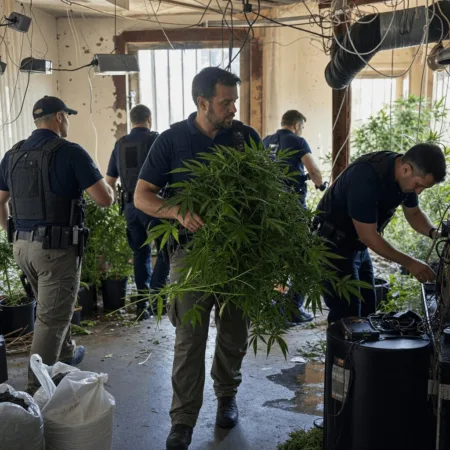
Let’s dig into the details of the Gainesville cocaine marijuana arrest that’s got everyone talking. On [Recent Date], Gainesville police apprehended an adult male after a routine patrol led to suspicion and a subsequent search. According to the local news report on AccessWDUN, officers discovered several baggies of white powder, later confirmed to be cocaine, along with visible cannabis buds and a digital scale. This kind of arrest, where the suspect is charged with possession with intent to distribute both marijuana and cocaine, mirrors policy debates seen as other states modernize enforcement. For example, some advocates point to science-driven cannabis policy groups actively working to ignite real change in U.S. law reform. The arrest took place on a sunny afternoon in a busy neighborhood, and bystanders watched as police handcuffed the suspect and processed the evidence. Authorities have since laid charges under Georgia’s tough narcotics laws in line with O.C.G.A. 16-13-30. The case has reignited debate in Gainesville on whether police resources should target non-violent cannabis cases, especially with changing attitudes and statewide calls to modernize drug policy.
Expert Take: The Bigger Picture on Cannabis Justice and Reform
This Gainesville cocaine marijuana arrest asks us to get real about policy, community needs, and what true justice looks like. While cocaine and cannabis are different substances with distinct profiles, combining their prosecution can fuel stigma and exacerbate the negative impact for non-violent offenders. Industry veterans echo these concerns. As Marijuana Moment reports, NORML’s Executive Director Erik Altieri states, “Continuing to criminalize marijuana users not only wastes law enforcement resources, but perpetuates injustices that are out of step with current public sentiment.” This is especially true in places like Gainesville, where cannabis still occupies a legal grey area but is becoming ever more mainstream socially. These discussions mirror historic wins, such as when Texas voters made history with their ballot box victory for cannabis legalization. Meanwhile, recent industry analysis from MJBizDaily highlights how aggressive policing of low-level marijuana offenses does little to improve community safety yet continues to disrupt lives and hinder economic growth. Expert consensus is clear: separating cannabis enforcement from hardened narcotics policy is essential if we want justice and meaningful community impact.
Looking Forward: Reform, Community, and Cannabis’ Bright Future
Despite the headlines about the Gainesville cocaine marijuana arrest, the tide is turning. Public support for reform, even in the Southeast, is undeniable. Industry trend reports from Benzinga show the cannabis industry expanding beyond all projections, generating jobs and tax revenues while reducing outdated enforcement. Gainesville’s recent events highlight the pressing need to modernize Georgia’s approach, prioritize education and harm reduction, and channel law enforcement energies where they matter most. Looking ahead, the real challenge is closing the gap between legislation, community values, and individual freedoms. With sustained advocacy and industry leadership, Gainesville and cities across Georgia are poised for transformation, paving the way for smarter, more compassionate drug policies in the years ahead.
Originally reported by: accesswdun.com
1 Comment
Pingback: Oklahoma medical marijuana policy: Is a major rollback coming?