Fulton County jail drug smuggling scandal: Shocking nurse details
Right now, the cannabis conversation is shifting at every level—from city corners to courthouse hallways. The recent Fulton County jail drug smuggling story has set social media, advocates, and legal circles ablaze. Allegations against a nurse smuggling cannabis for an inmate have folks buzzing about security, stigma, and the evolving legal landscape. We’re diving deep: local impact, law, and what this all means for cannabis normalization.
Background: How We Got Here, Regulation, Society, and Cannabis Behind Bars
The Fulton County jail drug smuggling case lands at the crossroads of outdated policies and society’s reluctant dance with weed. While Georgia continues to treat most cannabis infractions as criminal (NORML explains their medical laws and strict penalties), broader U.S. trends tilt toward regulation, decriminalization, and medical use. Yet, prisons remain battlegrounds for failed drug war legacies, with contraband and black-market supply creating headaches for staff and lawmakers. National studies, like those highlighted in Brookings research, point to over-criminalization as a driver of harm, both inside and outside the walls. Just as recent debates in Las Vegas reveal how legal reform faces societal resistance, for every headline-grabbing Fulton County jail drug smuggling bust, there are larger, ignored issues including racial disparities, revolving-door recidivism, and the chronic lack of legal access behind bars. The fallout? Real people, complicated motives, and communities caught between reform and old-school skepticism.
Key Developments: Nurse Accused in Fulton County Jail Drug Smuggling Operation
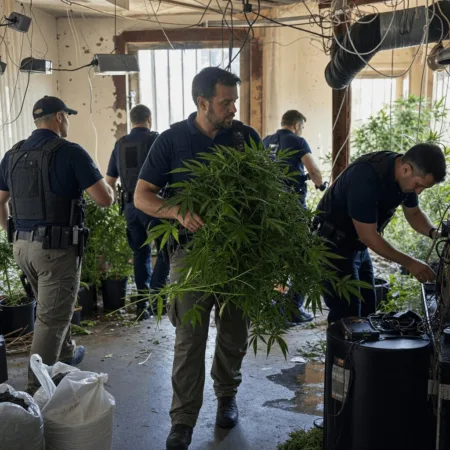
Let’s break down the facts. According to recent reporting from WSB-TV (Atlanta), a nurse at Fulton County Jail is accused of entering a relationship with an inmate while sneaking in cannabis and other contraband. Investigators, citing jail surveillance and confiscated items, say the nurse supplied green medicine via small baggies, camouflaged within personal effects. Jail staff uncovered the smuggling in a breakroom incident that’s now under review. Authorities are looking at communication records that show a personal connection between the nurse and the inmate, raising red flags about staff-inmate boundaries and contraband vulnerabilities. These real-world details echo wider trends where changes in recreational cannabis laws continue to shape enforcement and regulation debates across the country. The nurse, reportedly in her mid-30s, faces internal and potentially criminal investigation. The incident is the latest chapter in a string of Fulton County jail drug smuggling cases, spotlighting the ongoing battle between regulation, access, and the persistent demand for cannabis even inside correctional facilities.
Expert Analysis & Insights: Deeper Currents in Cannabis Contraband
This isn’t just another headline about bad apples or rogue operators. Every Fulton County jail drug smuggling story stems from deeper issues, such as widespread demand for cannabis as a harm-reduction tool, especially in stressful, restrictive settings. According to Leafly’s political analysis, “Contraband cannabis in prisons isn’t just about people breaking laws, it’s evidence that prohibition has failed to meet the human needs of those behind bars.” As jails tighten security, the illicit market finds creative workarounds. Recent national shifts, like the evolving cannabis market and increased sales reports from Michigan, emphasize how changes in policy and economic incentives impact everything from smuggling to access. Veteran policy analysts at Marijuana Moment note, “Demand doesn’t disappear because a gate is locked. Until society brings consistent, fair frameworks for all adults, including those incarcerated, scandals like Fulton County jail drug smuggling will keep cropping up.” The nurse’s alleged actions highlight real gaps in staff support and mental health, not simply personal irresponsibility. Larger systemic factors, including burnout, stress, and lack of meaningful criminal justice reform, keep these stories in the headlines.
Looking Forward: The Future for Justice, Cannabis, and Social Equity
If there’s an upside to the Fulton County jail drug smuggling news cycle, it’s that dialogue is awake again. Increased scrutiny and high-profile cases nudge authorities to rethink one-size-fits-all policies. Cannabis reform advocates continue pushing for smarter guidelines in correctional settings, echoing what Drug Policy Alliance researchers call, “the urgent need to end policies that criminalize, rather than care for, those who use cannabis.” As more states warm to regulation, old stigmas and failed policies must get packed up and replaced with new, compassionate approaches. For all its flaws, the current controversy may help build a bridge between justice, public health, and common-sense reform. The future? With the industry’s momentum, responsible cannabusiness standards, and roots-deep public support, we’re likely to see fewer desperate moves—and way more positive change.
Originally reported by: wsbtv.com