Florida recreational weed vote: What’s at stake in 2026?
All eyes are on the Florida recreational weed vote as it gears up for a potentially game-changing moment in 2026. With cannabis legalization expanding nationwide and Florida’s booming market, this upcoming decision could reshape the state’s political, economic, and cultural landscape. Whether you’re a cannabis entrepreneur, local advocate, or just curious about how this impacts your community, understanding what’s at stake now is crucial. Let’s dig into why this Florida recreational weed vote isn’t just another ballot measure—it’s a pivotal chapter in the story of legal cannabis in America.
Florida Cannabis: Background & Context
Florida’s relationship with cannabis has seen rapid changes over the past decade. Medical marijuana became legal in 2016 following a victorious ballot initiative, and the program has since grown into one of the largest in the country. According to the Marijuana Policy Project, Florida ranks among the top states for patient enrollment and dispensary locations. Despite this success, adult-use, or recreational, cannabis remains illegal. NORML reports that Florida maintains criminal penalties for possession outside the state’s medical program. Communities nationwide are witnessing change—for example, smaller jurisdictions are weighing new models for public access, much like Minnesota’s municipal cannabis dispensary initiatives that could offer guidance. Meanwhile, public sentiment is shifting, and recent polling shows strong majority support for reforms, putting pressure on lawmakers and boosting legalization groups. This Florida recreational weed vote comes amid a broader national trend, as states like Maryland, Missouri, and Ohio recently joined the ranks of recreational states, signaling momentum that’s hard to ignore.
2026 Ballot: Key Developments & Issues
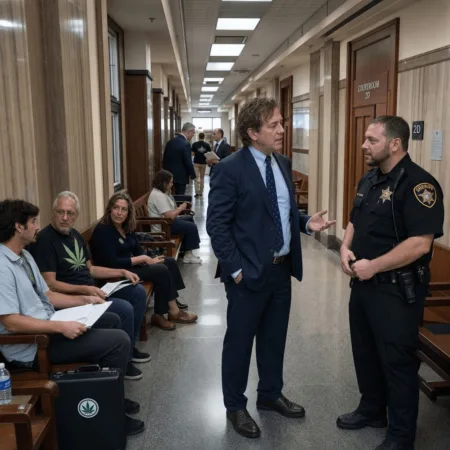
The path to the 2026 Florida recreational weed vote has been winding, and legally fraught. Advocates, spearheaded by organizations like Sensible Florida and industry heavyweight Trulieve, have pushed multiple petition drives in recent years. Their 2024 effort was blocked by the Florida Supreme Court due to problematic ballot language, but organizers quickly regrouped. In November 2025, a new constitutional amendment proposal cleared the first round of legal review, setting the stage for a high-stakes 2026 ballot showdown (source: Pensacola News Journal). The proposed amendment would legalize possession of up to three ounces of cannabis for adults 21 and older, allow home cultivation, and direct tax revenues to education and public health. This push echoes how communities in other states, such as Massachusetts faced passionate debates over cannabis ballot signatures and the uncertain journey toward a public vote. The medical cannabis program would remain protected. Regulatory systems, licensing details, and local government controls are all under active debate. According to Sun Sentinel reports, the amendment’s backers are focusing on grassroots outreach, emphasizing public safety and economic benefits, while opposition groups highlight concerns about impaired driving and youth exposure.
Expert Analysis & Insights: What’s at Stake
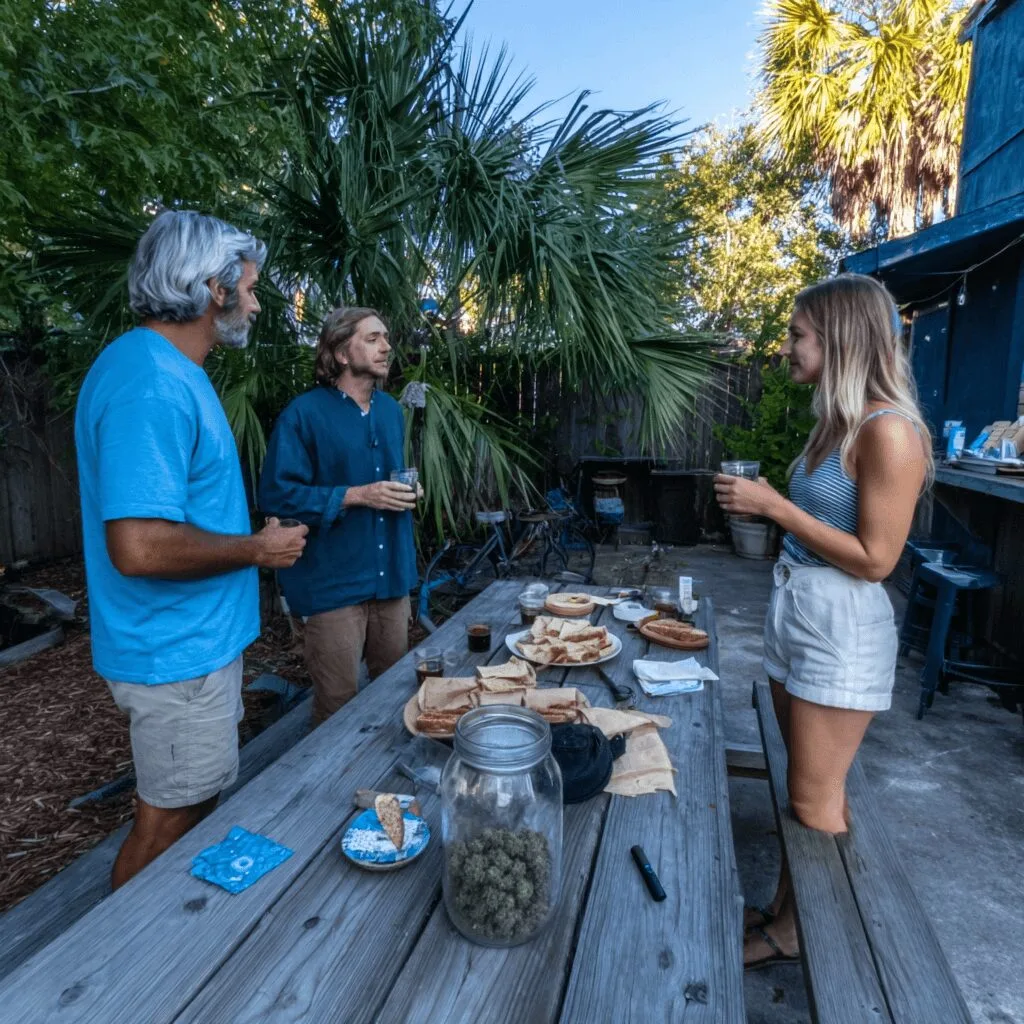
This is more than just a question of getting stoned legally on the beach, it’s a serious economic and social inflection point. Florida holds enormous market potential, and New Frontier Data projects recreational sales could top $3 billion annually if legalization passes. Advocates argue that a regulated market would boost job growth, generate hundreds of millions in tax revenue, and relieve pressure on the justice system. For those analyzing tax structures, consider the controversy around revenue tracking, as highlighted by a marijuana tax evasion case in Holland that made international headlines. Critics raise concerns about public health and regulatory readiness, though lessons from mature markets like Colorado and California show how common pitfalls can be avoided with clear rules and investment in education.
“Florida is primed for recreational cannabis. If managed well, legalization could fund critical public needs, supporting education, healthcare, and infrastructure, while creating countless jobs and opportunities,”
says Morgan Fox, political director for the National Organization for the Reform of Marijuana Laws (NORML). In the meantime, Florida’s robust medical program offers a strong foundation for expanding access, a point heavily cited by industry analysts and health experts.
The Road Ahead: Optimism—and Responsibility
The 2026 Florida recreational weed vote is a defining moment, not just for the state, but for the national cannabis landscape. The industry stands at a crossroads as mainstream support grows, billions in economic opportunity beckon, and the legal tide turns. Advocates, entrepreneurs, and everyday Floridians have a chance to shape a fair, rational, and profitable marijuana model. According to Leafly’s reliable legal reporting, knowledgeable regulation and community-driven outreach have the power to maximize benefits and minimize harms. Florida’s decision will echo across the country. The future looks bright if stakeholders keep cooperation, science, and social equity at the heart of reform. Here’s to a future where responsible cannabis thrives—cheers to progress, Florida!
Originally reported by: pnj.com