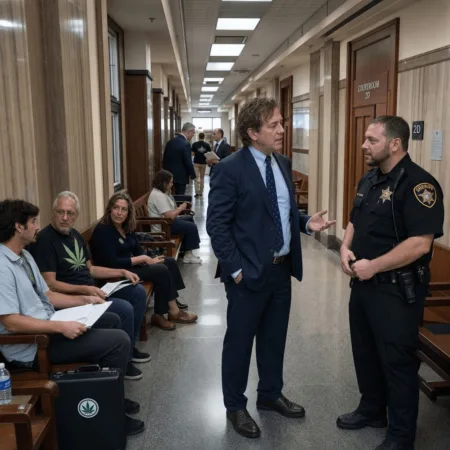
Florida Prison Marijuana Ruling: Inmate Shares Hopeful Turn
You’re probably hearing a lot about cannabis laws lately—and for good reason. Legal landscapes are changing fast and lives are on the line. Enter the latest Florida prison marijuana ruling: a development shaking up traditional views and giving inmates hope from inside those concrete walls. This story isn’t just timely; it’s proof that the winds of change are blowing right through Florida’s toughest cells. In the heart of America’s shifting relationship with cannabis, this ruling marks a turning point for prisoners caught in the justice system transition. Let’s break down the backstory, the latest news, why it matters, and where it all might be heading next.
Regulatory Roots: Cannabis Laws and Florida’s Correctional System
Florida has always had a complicated relationship with cannabis. While medical marijuana use slowly made its way to legalization in 2016, state laws remained strict for those without a prescription, especially for incarcerated individuals. Nationally, cannabis reform has gained traction, from the steady progress reported in NORML’s 50-state overview to evolving federal conversations about rescheduling. However, Florida corrections policy lagged, reflecting wider concerns about drug policy legacy, public safety fears, and federal-state legal conflict. According to Prison Policy Initiative reports, marijuana-related offenses have long contributed to overcrowding and inconsistent sentencing. As other states opt for reform, advocates argue that Florida’s strict penalties increasingly seem out of sync with modern attitudes and the emerging legal market. These conditions set the stage for the current spotlight on the Florida prison marijuana ruling—a moment when legal, social, and market factors collided to force fresh debate across the state and nation, similar to what was seen with recent hemp and THC regulatory updates in Texas impacting local corrections and drug policy reform.
Breaking News: Inside the Florida Prison Marijuana Ruling
The recent Florida prison marijuana ruling occurred after the case of a middle-aged inmate incarcerated for marijuana-related offenses reached a critical juncture in early October 2025 (WUSF News). The inmate, who had already served years, spoke candidly about how the new ruling “gives him a bit of life hope.” This pivotal legal decision clarified that certain non-violent marijuana convictions—especially those tied to minor possession—would be subject to review under the new guidelines established by the Florida Supreme Court’s recent interpretation of state cannabis law. Much like the attention drawn by the Myrtle Beach marijuana seizure and ensuing community debate, this ruling sparked statewide discussion around fairness and drug law reform. Unlike previous blanket policies, the revised approach considers intent, harm caused, and evolving cannabis policy, which aligns with nationwide trends. The corrections department and judiciary reached consensus on allowing inmates affected by outdated cannabis statutes to apply for sentence reviews. Dates of implementation and forms of eligibility were announced through court records and press briefings in early October 2025. Public defenders in the state celebrated the shift, highlighting the immediate impact on dozens, perhaps hundreds, of incarcerated Floridians who may soon see their sentences reduced or re-evaluated based on this Florida prison marijuana ruling. While the new procedures will roll out gradually, attorneys and advocates began working directly with individuals seeking relief the following week.
Expert Take: Why This Ruling Matters for Cannabis Justice
So what does all this really mean for the industry and the people enmeshed in Florida’s historically tough drug laws? According to Rolling Stone’s analysis, landmark decisions like the Florida prison marijuana ruling help bridge the gap between illicit past and legal present. These aren’t just symbolic victories; they crack open the cellar to let in some fresh policy air. “True cannabis reform means repairing the harms of prohibition, not just building new markets,” says activist and educator Sue Sisley, MD (Marijuana Moment Interview). Such rulings signal that the system is paying attention both to shifting cultural tides and to the very personal, human stories of those who bear the cost of outdated policies. For broader context on how public discourse around cannabis can be shaped by misinformation, one can consider how medical cannabis misinformation spreads through platforms like YouTube, impacting both perception and reform efforts. From the industry side, legal clarity over sentencing boosts investor and consumer confidence in Florida’s market stability, while helping brands align with socially responsible practices. Statistically speaking, jurisdictions that reexamine cannabis incarceration see significant reductions in recidivism, as reported by Brookings Institution. This is a win for everyone, including patients, entrepreneurs, and communities tired of unfair legacies.
The Road Ahead: Cannabis Reform, Redemption, and a Hopeful Outlook
As the dust settles on the Florida prison marijuana ruling, a sense of optimism is spreading—not just behind bars, but across the broader industry. While critics may see obstacles, insiders—and those most directly affected—see a milestone in justice and common sense. Inmate stories like the one at the heart of this ruling remind us all that policy changes have faces and families behind them. Each similar development accelerates normalization, making the cannabis community stronger and more united. According to Leafly’s 2024 success report, continuing reform drives growth and innovation while healing old wounds. As legal clarity grows and public attitudes change, the future for cannabis in Florida—and beyond—looks brighter every day. Let’s keep the conversation rolling and push for policies that reflect compassion, fairness, and forward momentum.
Originally reported by: wusf.org